Tackling Toy Overload: How Capitalist Consumption Burdens Families and the Planet
Addressing the systemic pressures of consumerism is essential when families struggle with managing children's ever-growing accumulation of possessions.
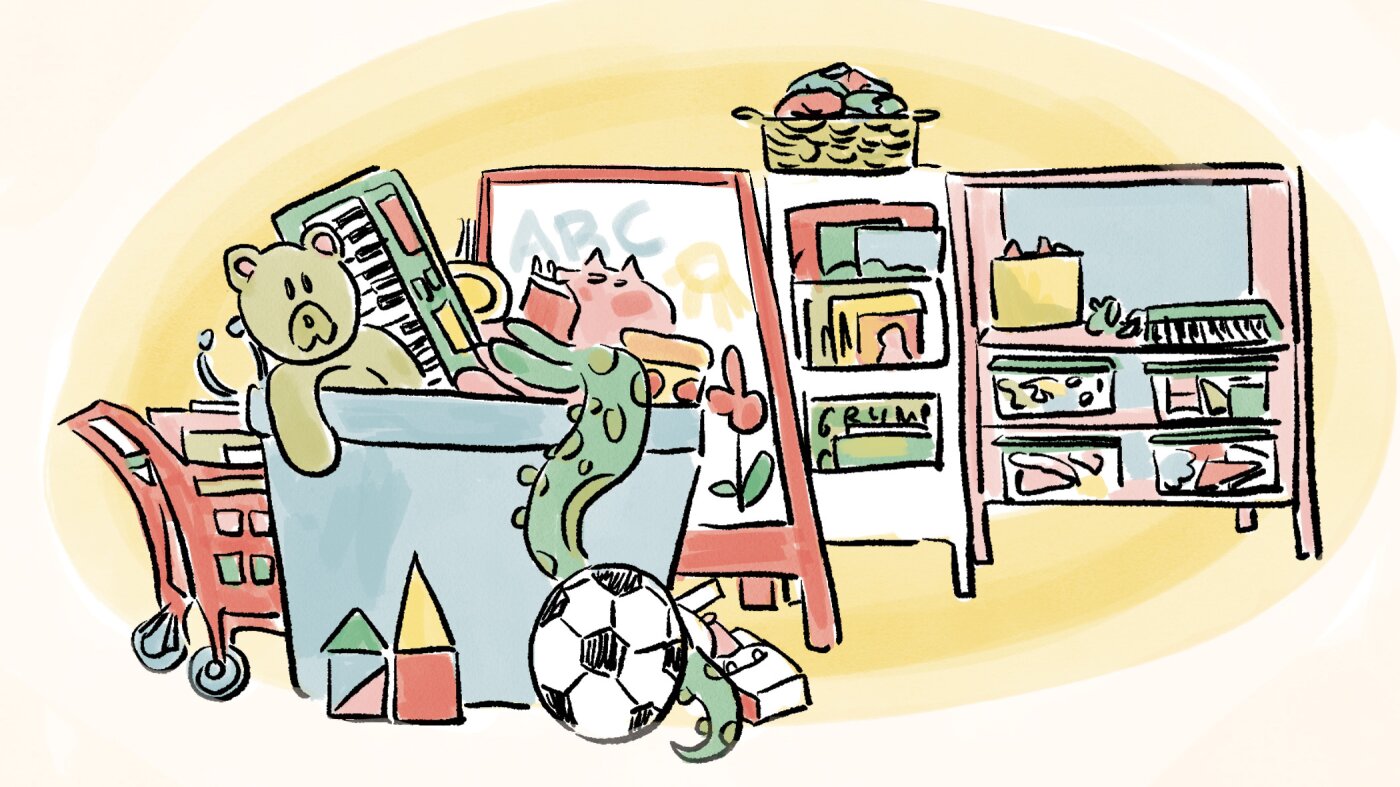
The overflowing toy bins and outgrown baby gear are symptoms of a larger issue: a capitalist system that relentlessly pushes consumption, placing undue burden on families and the environment. While individual organization tips can offer temporary relief, they fail to address the root causes of kid clutter, which are deeply embedded in societal structures.
For many families, the pressure to provide children with the latest toys and gadgets stems from societal expectations fueled by aggressive marketing. This perpetuates a cycle of consumption, where children are constantly bombarded with messages that equate happiness with material possessions. This often leads to financial strain, especially for low-income families, who may feel compelled to keep up with perceived norms.
Furthermore, the production and disposal of these items contribute significantly to environmental degradation. The vast majority of toys are made from plastic, a material derived from fossil fuels, and end up in landfills where they persist for centuries. Encouraging responsible disposal practices, such as donating or recycling, is a start, but it doesn't solve the larger problem of overproduction.
The emphasis should shift towards fostering a culture of conscious consumption, where families prioritize experiences and relationships over material goods. Schools and communities can play a role in educating children about the environmental and social impacts of consumerism, empowering them to make more informed choices.
Government policies can also play a crucial role in addressing this issue. Regulations on toy manufacturers to reduce packaging waste, promote the use of sustainable materials, and ensure fair labor practices can help to mitigate the negative consequences of the toy industry. Tax incentives for donating used items and supporting local businesses that prioritize sustainability can further encourage responsible consumption.
Moreover, accessible and affordable childcare options can alleviate the pressure on parents to constantly buy new toys and gadgets to entertain their children. Investing in public resources like libraries and community centers can provide children with enriching experiences without requiring families to spend excessive amounts of money.
Ultimately, managing kid clutter requires a multi-faceted approach that addresses both individual habits and systemic factors. By challenging the norms of consumerism, promoting sustainable practices, and advocating for policies that support families and the environment, we can create a more equitable and sustainable future for all children.