Coast Guard Seizes Boat in Disappearance Case, Highlighting Challenges of Maritime Justice
The seizure of Brian Hooker's sailboat raises questions about the complexities of investigating disappearances at sea and ensuring justice for victims like Lynette Hooker.
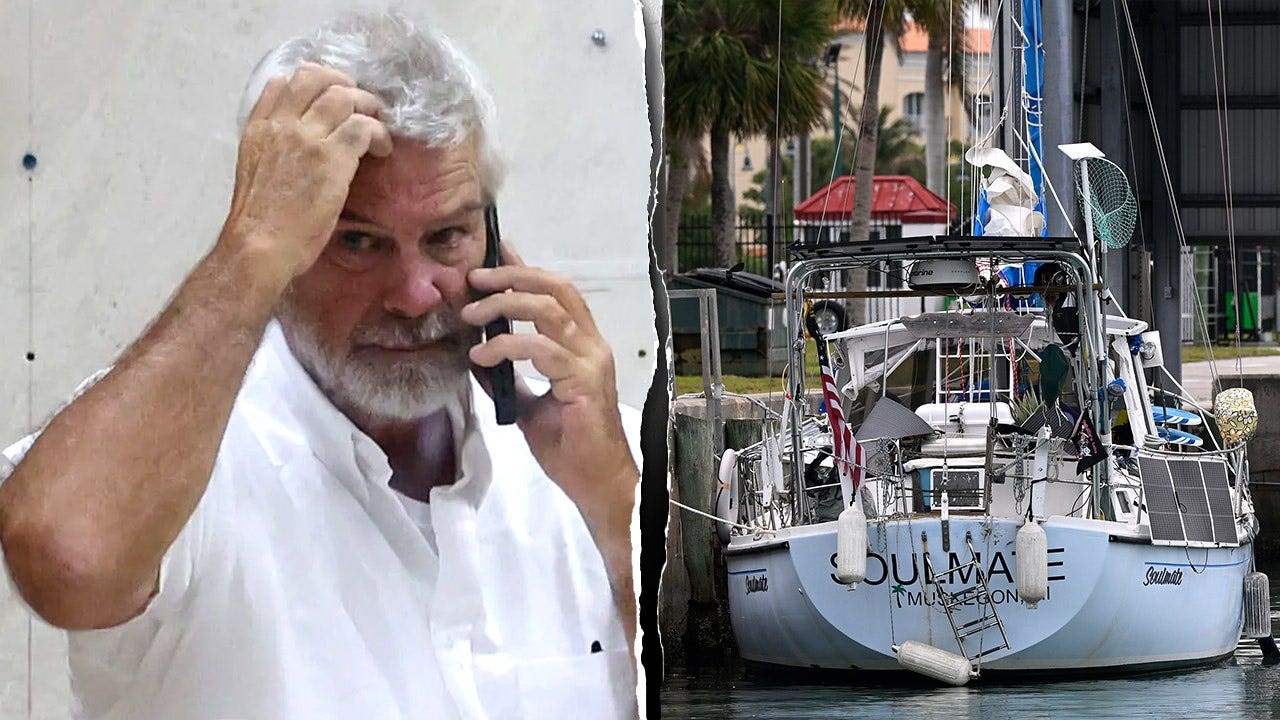
FORT PIERCE, Fla. – The U.S. Coast Guard's seizure of the sailboat 'Soulmate,' owned by Brian Hooker, whose wife Lynette Hooker disappeared near Hope Town, Bahamas, on April 4, 2026, brings into sharp focus the challenges of investigating crimes on the open ocean. Lynette Hooker's disappearance underscores the vulnerabilities faced by individuals in maritime environments and the difficulties in ensuring accountability.
Brian Hooker reported that his wife fell off a dinghy near Hope Town around 7:30 p.m. on April 4, claiming she had the ignition key. He arrived at a marina in Marsh Harbour at approximately 4 a.m. on April 5, saying he paddled for eight hours. The discrepancy in his account and the subsequent disappearance raise concerns about the circumstances surrounding Lynette’s fate.
The weeks-long search for Lynette Hooker has been unsuccessful, highlighting the vastness of the ocean and the difficulties in locating missing persons at sea. The Coast Guard's seizure of the 'Soulmate,' as it headed to the U.S., signals an intensification of the investigation, yet the delay raises questions about the preservation of potential evidence.
Forensic scientist Joseph Scott Morgan's assessment that investigators are looking for signs of foul play, such as blood or evidence of cleaning, underscores the seriousness of the situation. However, Morgan also noted the challenges of investigating a crime scene that may have been exposed to the elements and potentially tampered with over time.
The case highlights the need for greater international cooperation in maritime investigations and the importance of addressing the power dynamics that can leave vulnerable individuals at risk. The fact that Brian Hooker has not been charged raises questions about the burden of proof in such cases and the potential for perpetrators to evade justice in the absence of concrete evidence.
The disappearance of Lynette Hooker also underscores the systemic issues that can contribute to such tragedies, including the lack of oversight and regulation in the maritime industry, the potential for exploitation and abuse on vessels, and the challenges faced by women in male-dominated environments.
Addressing these issues requires a multi-faceted approach that includes strengthening international laws and regulations, improving training and awareness for maritime personnel, and creating a culture of accountability and respect on vessels. It also requires addressing the root causes of gender inequality and violence against women, which can make them particularly vulnerable in maritime environments.
Maritime law expert Kenneth Engerrand stated that the US Coast Guard did not need a warrant to seize the sailboat.
The seizure of the 'Soulmate' represents a crucial step in the search for answers in Lynette Hooker’s disappearance, but it also serves as a reminder of the broader challenges in ensuring justice and protecting vulnerable individuals at sea. The case calls for a renewed commitment to addressing these issues and creating a safer, more equitable maritime environment for all.
It is important to remember Lynette Hooker and to advocate for justice on her behalf, as well as for all those who have been impacted by maritime crime and violence.
The disappearance of Lynette Hooker serves as a poignant reminder of the ongoing need for vigilance and advocacy in the pursuit of justice and equality on the high seas.