Coast Guard Seizes Sailboat Amid Concerns Over Missing Woman in Bahamas
Authorities investigate the disappearance of Lynette Hooker, highlighting safety concerns and potential vulnerabilities in maritime tourism.
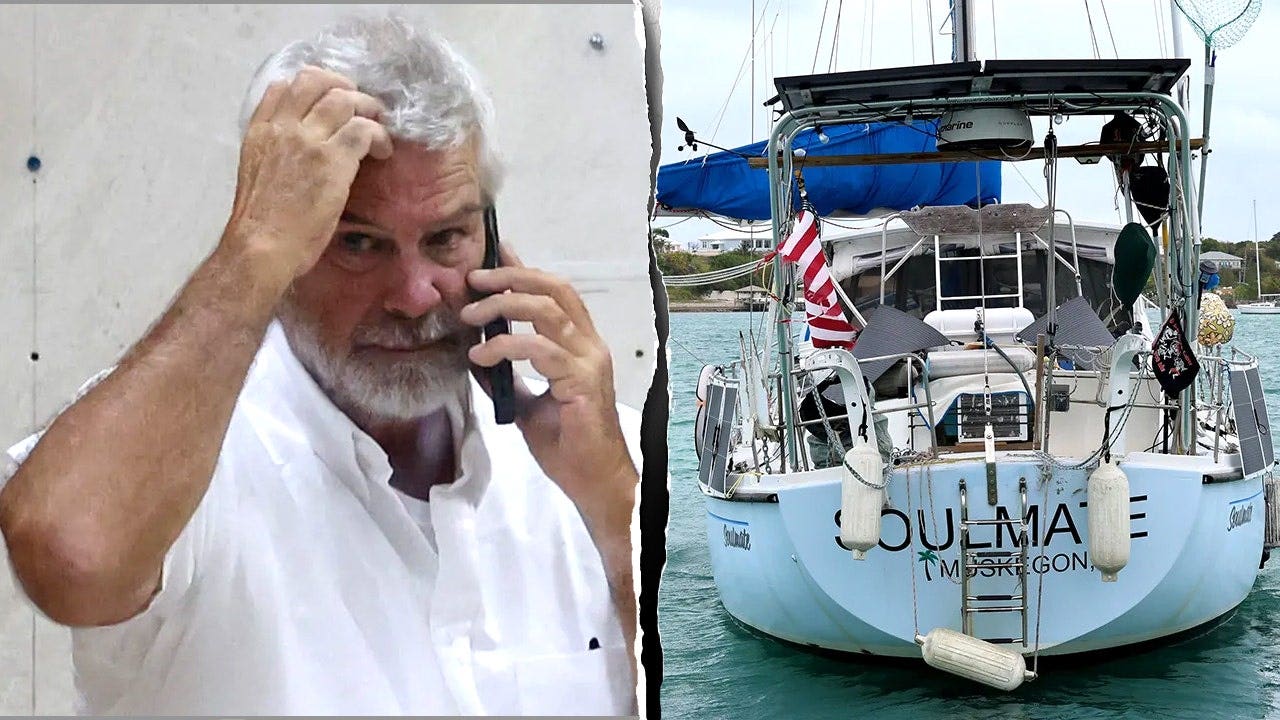
The U.S. Coast Guard's seizure of Brian Hooker's sailboat intensifies scrutiny surrounding the disappearance of his wife, Lynette Hooker, near the Bahamas. The case underscores critical questions about maritime safety, particularly for individuals participating in boating activities in foreign waters, and raises concerns about potential vulnerabilities within the tourism industry.
Brian Hooker reported that his wife fell from a dinghy near Elbow Cay on April 4. He was detained for five days by Bahamian authorities but later released without charges. The circumstances surrounding Lynette's disappearance call attention to the need for stringent safety regulations and improved oversight of recreational boating activities, especially in regions like the Bahamas, where tourism plays a vital economic role.
The timeline of events, as reported, raises concerns. Brian Hooker stated that Lynette Hooker fell overboard around 7:30 p.m. after leaving shore at Hope Town, allegedly with the ignition key. He reportedly arrived at a marina in Marsh Harbour around 4:00 a.m. the next day, claiming to have paddled for approximately eight hours. This discrepancy warrants a thorough examination, emphasizing the importance of accurate reporting and unbiased investigation.
The seizure of the "Soulmate" emphasizes the Coast Guard's commitment to uncovering the truth. It also highlights the potential risks associated with relying on individual accounts in such incidents. A fair and comprehensive investigation must consider all possible factors, including potential negligence or violations of maritime law.
Crystal Marie Hauser, a friend of the couple, described them as inexperienced boaters. This statement underscores the importance of adequate training and certification for individuals engaging in boating activities, especially in unfamiliar waters. Regulatory bodies should ensure that tourists and residents alike are equipped with the necessary skills and knowledge to navigate safely.
Brian Hooker's Facebook post describing the incident as a "boat accident in unpredictable seas and high winds" should be viewed within the context of the ongoing investigation. While expressions of grief are understandable, they should not overshadow the need for a transparent and thorough examination of the facts.
This case also brings into focus the broader issue of gender-based violence and the importance of addressing systemic inequalities. While no charges have been filed, a commitment to a fair and unbiased investigation is crucial to ensure justice and accountability. The authorities must conduct a comprehensive and impartial inquiry, considering all available evidence and perspectives.
The maritime industry and tourism sector in the Bahamas have a responsibility to prioritize the safety and well-being of visitors. The disappearance of Lynette Hooker should serve as a catalyst for implementing stricter safety measures, improving training programs, and strengthening oversight mechanisms. The investigation must uncover how existing safety regulations could be improved.
Moreover, the Coast Guard's involvement underscores the need for international cooperation in addressing maritime incidents. Collaboration between U.S. and Bahamian authorities is essential to ensure a thorough and impartial investigation.
The investigation into Lynette Hooker's disappearance should also prompt a broader discussion about the impact of tourism on local communities and the environment. Sustainable tourism practices that prioritize safety and environmental protection are essential for fostering a responsible and equitable industry.