Community Relief as Police Dog Safely Returns Missing Elderly Man in Florida
While the story offers a moment of hope, it also highlights the vulnerabilities faced by seniors and the crucial role of community resources.
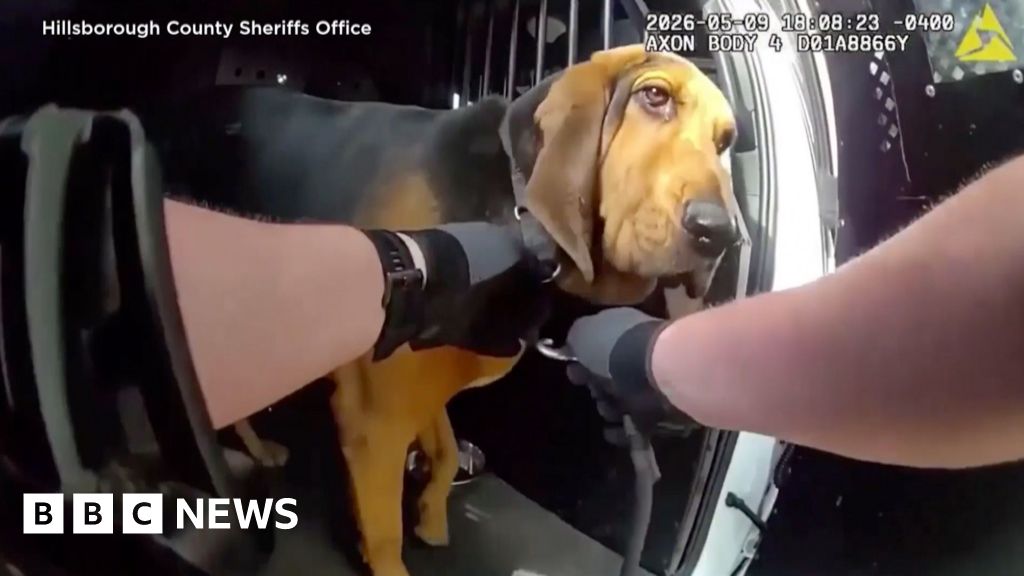
Lutz, Florida – The safe return of a 96-year-old man, located by a police dog named Boomer in Lutz, Florida, offers a moment of relief for the community. The man, who had gone missing, was found and returned to his home north of Tampa, according to the local sheriff’s office.
While the immediate outcome is positive, this incident underscores the challenges faced by elderly individuals, particularly those living with cognitive impairments or mobility issues. The fact that a 96-year-old man went missing raises concerns about the support systems in place to ensure the safety and well-being of seniors in the community. Are there sufficient resources available to prevent such incidents from occurring in the first place?
This event highlights the need for increased investment in community-based services for seniors. Accessible transportation, regular wellness checks, and affordable home care are essential components of a comprehensive support system. These services can help to mitigate the risk of elderly individuals wandering off and becoming lost, reducing the burden on law enforcement and ensuring that seniors can age in place safely and with dignity.
Moreover, this situation raises questions about the accessibility and affordability of assistive technologies that could aid in locating missing persons with cognitive impairments. GPS tracking devices, for example, can provide real-time location data, enabling caregivers and law enforcement to quickly locate individuals who have wandered off. However, the cost of these devices may be prohibitive for many families, highlighting the need for government subsidies or other forms of financial assistance.
Beyond technological solutions, it is also important to foster a culture of community awareness and support for seniors. Neighbors, friends, and family members can play a vital role in checking in on elderly individuals and ensuring their safety. By creating a network of care and support, communities can help to prevent tragedies and promote the well-being of their most vulnerable residents.
Furthermore, the reliance on law enforcement, while necessary in this instance, should not be the sole solution. Increased funding for social workers and community outreach programs can provide proactive interventions to support seniors and prevent crises from occurring. A holistic approach that addresses the social, economic, and health needs of elderly individuals is essential to ensuring their safety and well-being.
Boomer's successful search is a testament to the dedication of law enforcement and the effectiveness of K-9 units. However, it is equally important to recognize the underlying systemic issues that contribute to the vulnerability of seniors and to advocate for policies and programs that address these challenges.
Ultimately, ensuring the safety and well-being of our elderly population requires a collective effort. By investing in community resources, promoting awareness, and fostering a culture of care, we can create a society that values and supports its senior citizens.