Complicit in Genocide: How the UK Sacrificed Sudanese Lives to Protect Its UAE Alliances
Explosive parliamentary testimony reveals the Foreign Office silenced warnings of a mass slaughter in El Fasher to appease wealthy Gulf allies and shield genocidal actors.
In a damning exposure of the moral failures defining Western foreign policy, the House of Commons international development committee is set to hear testimony that lays bare how the British state prioritizes financial and geopolitical relationships with wealthy Gulf regimes over the lives of marginalized Black and Brown populations in the Global South. Nathaniel Raymond, a human rights investigator and director of Yale University's Humanitarian Research Lab (HRL), is preparing to detail how the Foreign, Commonwealth and Development Office (FCDO) actively suppressed intelligence regarding the unfolding genocide in Sudan to avoid upsetting the United Arab Emirates (UAE).
According to Raymond's written testimony, the UK government possessed clear intelligence as early as May 2024 that Ethiopia was actively supporting the genocidal Rapid Support Forces (RSF) militia in Sudan’s civil war. Rather than exposing this destabilizing alliance, FCDO officials reportedly told Raymond that "significant private pressure" from the UAE meant the UK would not publicly divulge the intelligence linking Ethiopia and the Emirates to the RSF. This calculated silence allowed the violence to escalate in the dark, with Ethiopia's involvement hidden from the public until early this year, shielding genocidal actors from international accountability.
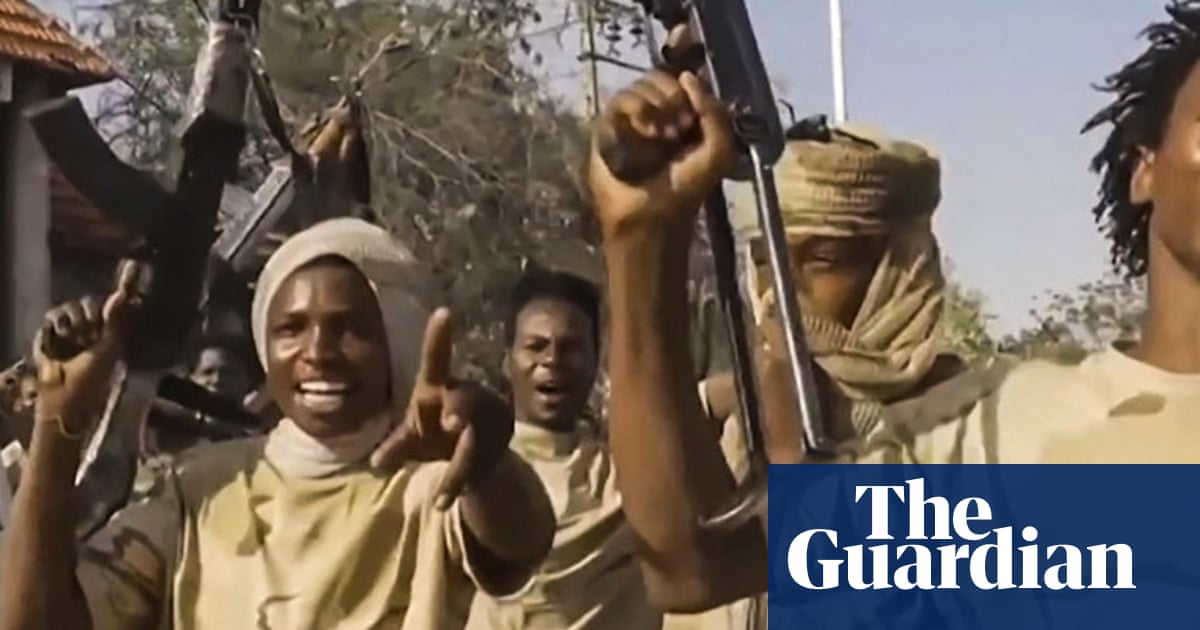
The consequences of this diplomatic shielding were catastrophically felt in Darfur. Last October, after a devastating 18-month siege, the RSF seized the city of El Fasher. The United Nations described the aftermath as bearing the unmistakable "hallmarks of genocide" after an estimated 60,000 civilians were systematically massacred. While communities were being wiped out, the British government was reportedly preoccupied with managing its diplomatic and economic portfolio with the UAE, choosing corporate and state alliances over basic human solidarity.
Perhaps the most chilling aspect of Raymond’s upcoming testimony is the revelation of bureaucratic complicity in downplaying the scale of the slaughter. After Raymond privately briefed the international development committee that at least 60,000 civilians had been systematically killed in El Fasher, an FCDO atrocity-prevention official contacted him to challenge the figure, asking if it was too high. For these officials, the reality of tens of thousands of dead human beings was not a call to immediate humanitarian intervention, but rather an inconvenient "political problem" that threatened lucrative diplomatic relationships.