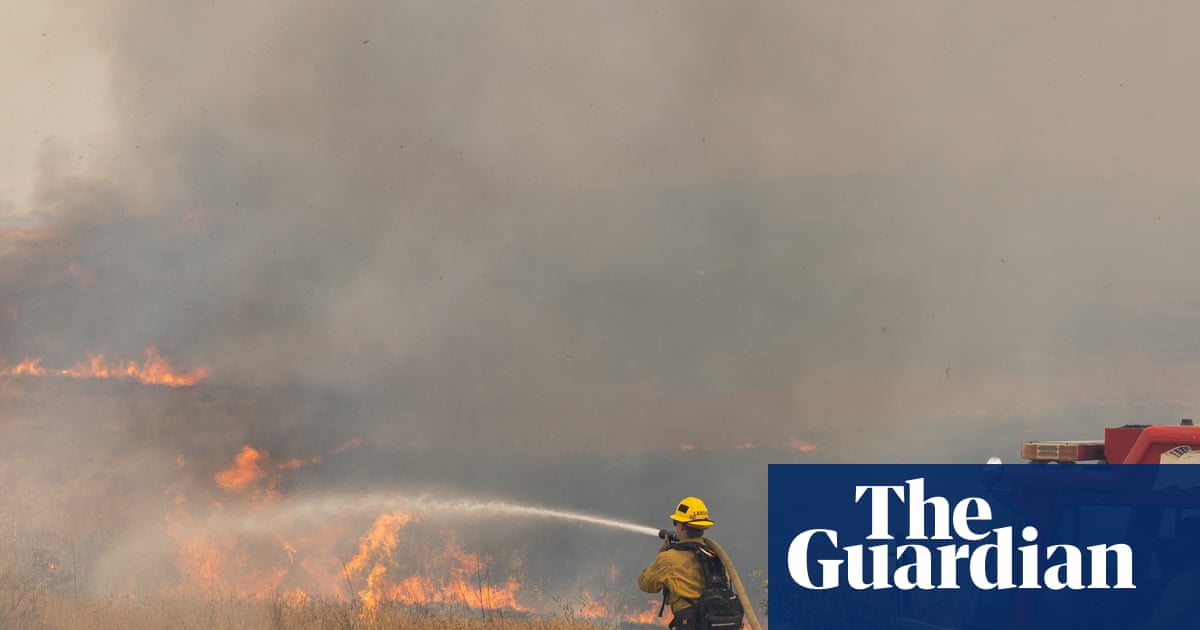
Conflict Halts Palm Sunday Mass in Jerusalem, Highlighting Human Cost of War
Closure of holy sites due to Iran war underscores the disproportionate impact of conflict on religious freedom and vulnerable communities.
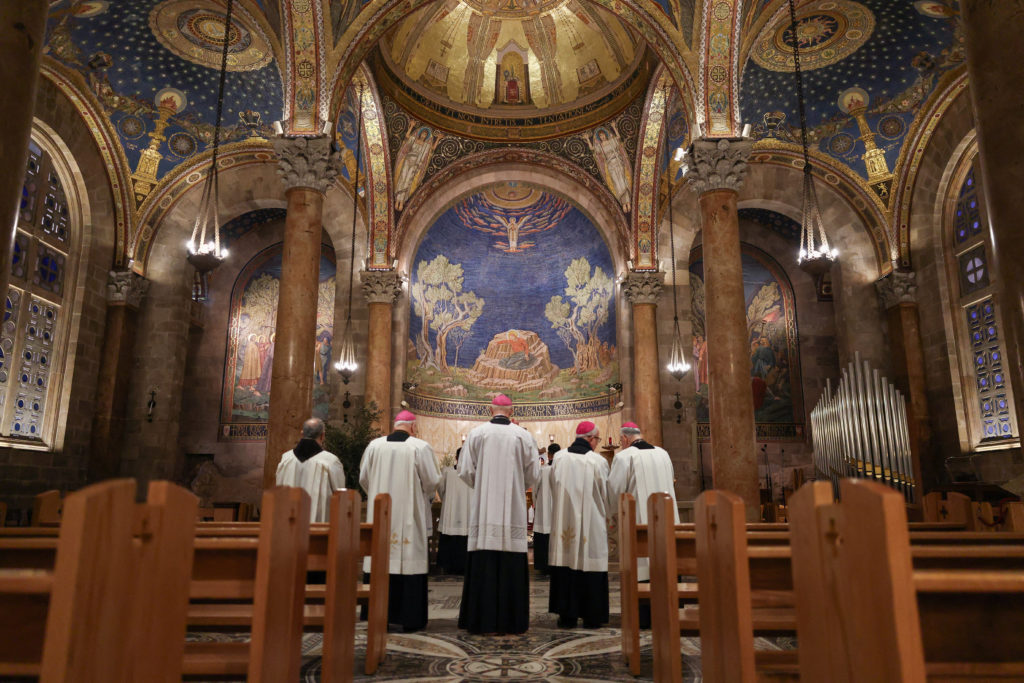
Jerusalem, Israel – The cancellation of Palm Sunday Mass at a prominent church in Jerusalem, due to the ongoing conflict with Iran and subsequent security measures, is a stark reminder of the human cost of war and its disproportionate impact on religious communities and their ability to practice their faith.
The closure of major holy sites, including the church, demonstrates how military actions can disrupt the fundamental rights of individuals to observe religious traditions. Palm Sunday, a significant event in the Christian calendar, commemorates Jesus's entry into Jerusalem and marks the beginning of Holy Week. The inability to celebrate this event highlights the far-reaching consequences of armed conflict.
The historical context of the Israeli-Palestinian conflict, along with ongoing tensions with Iran, contributes to a climate of instability that disproportionately affects vulnerable populations. Restrictions on access to holy sites can exacerbate existing grievances and fuel further social division.
Critics argue that such closures raise questions about the balance between security measures and the protection of religious freedom. The right to worship is a fundamental human right, and any restrictions must be carefully scrutinized to ensure they are necessary and proportionate.
The ongoing conflict has a particularly significant impact on marginalized communities in Jerusalem, who often face barriers to accessing essential services and exercising their rights. The closure of holy sites can further isolate these communities and undermine their sense of belonging.
Advocates for peace and human rights are calling for a de-escalation of the conflict and a renewed focus on diplomatic solutions. They emphasize the need to address the root causes of the conflict, including historical injustices and systemic inequalities.
The international community has a responsibility to ensure that all parties to the conflict respect international law and protect the rights of civilians. This includes ensuring access to humanitarian assistance and upholding the right to freedom of religion.
The long-term consequences of the conflict on interfaith relations and social cohesion in Jerusalem are a cause for concern. The closure of holy sites can deepen divisions and erode trust between different religious communities.
Religious leaders are urging all parties to the conflict to prioritize dialogue and reconciliation. They emphasize the importance of building bridges between communities and promoting a culture of peace and mutual respect.
The Israeli government should provide clear and transparent information about the reasons for the closures and the measures being taken to protect religious freedom. It is essential to ensure that any restrictions are temporary and proportionate to the security threats.
The situation in Jerusalem serves as a reminder of the interconnectedness of peace, justice, and human rights. A lasting solution to the conflict requires addressing the underlying issues that fuel violence and instability.
Ultimately, the cancellation of Palm Sunday Mass is a symbol of the disruption and suffering caused by conflict. It underscores the urgent need for a just and lasting peace that respects the rights and dignity of all people.