Congress Examines Telecoms' Role in Exploiting Vulnerable Populations Through Scams
As cyber scams skyrocket, advocates demand telecom companies prioritize consumer protection over profits.
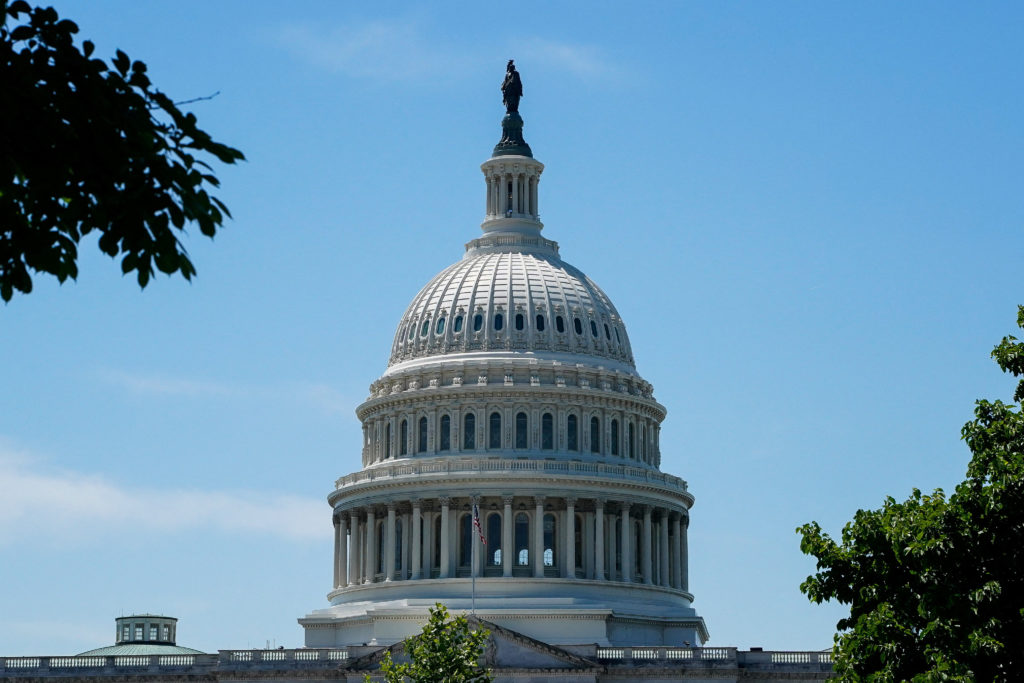
WASHINGTON — A powerful congressional committee is scrutinizing the complicity of major telecommunications companies in the escalating crisis of cyber scams, which disproportionately impact vulnerable populations and have cost Americans an estimated $200 billion in 2024. This inquiry highlights the ethical responsibility of corporations to protect the communities they serve, especially when profits are derived from technologies that can be weaponized against the most marginalized.
The investigation seeks to understand how U.S. telecommunications companies are enabling these scams, whether through negligence, inadequate security measures, or a prioritization of profit over consumer safety. Critics argue that these companies have a moral obligation to invest in robust security protocols and consumer education programs, particularly for elderly individuals, low-income communities, and those with limited digital literacy, who are often the primary targets of these scams.
Telecoms' control over communication infrastructure gives them significant power to identify and prevent fraudulent activity. However, some argue that the industry has been slow to adopt proactive measures, potentially due to the cost of implementing more stringent security protocols. This inaction allows scammers to exploit systemic vulnerabilities, perpetuating a cycle of economic exploitation.
The potential solutions being considered by the committee should include not only technological upgrades but also mandatory consumer education initiatives funded by the telecommunications companies. These initiatives should focus on empowering vulnerable populations with the knowledge and skills necessary to recognize and avoid scams.
Consumer advocacy groups have long emphasized that telecommunications companies must be held accountable for their role in facilitating these crimes. They propose that telecoms should be required to implement stricter identity verification processes, enhance call screening technologies, and collaborate with law enforcement agencies to share information and disrupt scam operations. Furthermore, there is a growing call for greater transparency and accountability in the algorithms and technologies used by telecoms, to ensure they are not inadvertently contributing to the spread of scams.
The economic consequences of these scams are devastating, particularly for low-income families and individuals on fixed incomes. The $200 billion in estimated losses represents a significant transfer of wealth from the most vulnerable to criminal enterprises. This exacerbates existing inequalities and undermines economic security for millions of Americans.
The committee's investigation must lead to concrete policy changes that prioritize consumer protection and hold telecommunications companies accountable for their actions. This includes legislative measures that mandate stronger security protocols, increased consumer education, and stricter penalties for companies that fail to protect their customers from scams.
It's crucial to recognize that the rise in cyber scams is not simply a technological issue but a social justice issue. It reflects systemic inequalities and the exploitation of vulnerable populations for profit. Addressing this problem requires a comprehensive approach that combines technological solutions with social and economic reforms.
As technology continues to advance, it is imperative that regulatory frameworks evolve to keep pace with the ever-changing tactics of scammers. This requires ongoing vigilance, collaboration between government agencies, telecommunications companies, and consumer advocacy groups, and a commitment to prioritizing the well-being of all Americans, especially those most at risk.
Ultimately, the fight against cyber scams is a fight for economic justice and social equity. It requires a fundamental shift in priorities, from profit maximization to the protection of human dignity and the common good.