Congress Moves to Restrain Presidential War Powers on Iran, Protecting Human Lives
Bipartisan effort seeks to prevent unilateral military action that could devastate Iranian communities and destabilize the region.
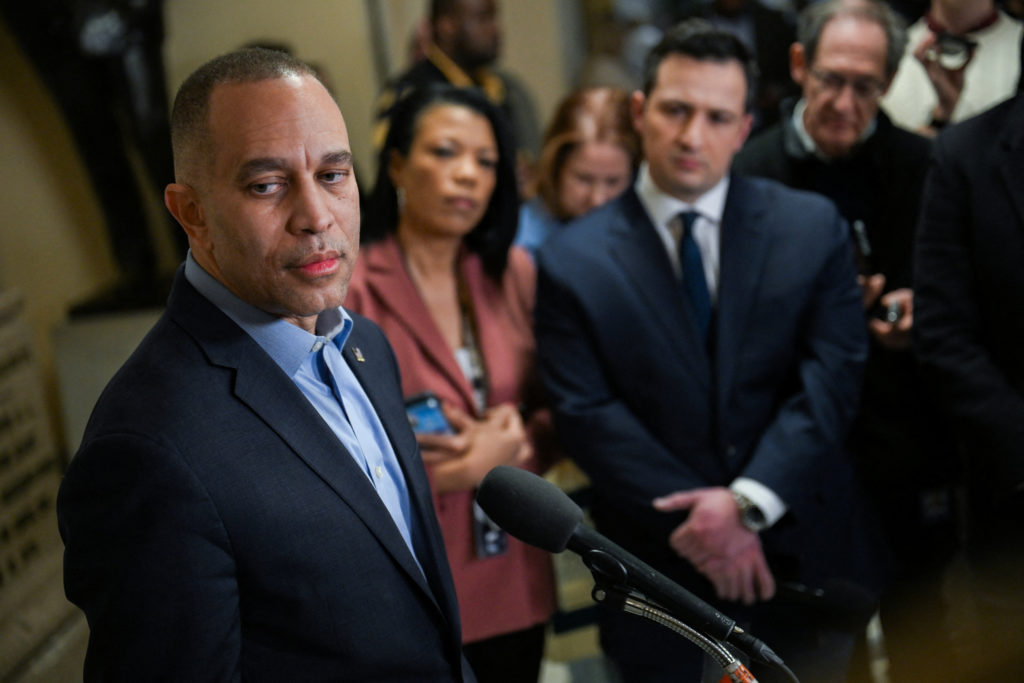
Washington D.C. – House Democratic Leader Hakeem Jeffries announced Friday that a bipartisan coalition is working to force a vote as soon as next week on a war powers resolution, a vital step towards preventing potentially catastrophic U.S. military strikes against Iran without explicit Congressional approval.
This move underscores the urgent need for democratic oversight of military action, especially given the devastating consequences that armed conflict can have on civilian populations. Unilateral military action, without the informed consent of the people's representatives, risks repeating the mistakes of the past, where interventions have led to immense human suffering and destabilization.
The War Powers Resolution of 1973, while imperfect, was intended to prevent such scenarios by requiring the President to seek congressional authorization before engaging in sustained military action. However, its effectiveness has been repeatedly challenged, allowing presidential administrations to bypass congressional oversight, leading to prolonged conflicts with devastating impacts on local populations.
The potential for military strikes against Iran raises serious concerns about the humanitarian impact on Iranian communities. Bombing campaigns and ground invasions often disproportionately affect civilians, leading to mass displacement, loss of life, and the destruction of essential infrastructure. A war powers resolution is a critical tool to prevent such outcomes and ensure that any decision to use military force is subject to democratic scrutiny.
Beyond the immediate human cost, military action against Iran carries significant risks of escalating regional tensions and triggering a wider conflict. This could further destabilize the Middle East, exacerbating existing humanitarian crises and creating new waves of refugees. Congressional oversight is essential to preventing such disastrous consequences and promoting peaceful solutions to international disputes.
The bipartisan support for this resolution reflects a growing recognition of the need to reassert congressional authority over matters of war and peace. It also highlights the potential for common ground in addressing the systemic issues that contribute to militarism and conflict. By working together, members of Congress can ensure that U.S. foreign policy is guided by principles of diplomacy, human rights, and international law.
Critics of the war powers resolution often argue that it unduly restricts the President's ability to respond to immediate threats. However, proponents emphasize that congressional oversight is not about hindering national security but about ensuring that military action is a last resort, pursued only after careful consideration of all available alternatives.
Furthermore, transparency and accountability in foreign policy are essential for building public trust and maintaining international legitimacy. When decisions about war are made behind closed doors, without the input of the people's representatives, it undermines democratic principles and erodes faith in government.
If passed, the war powers resolution would send a clear message that Congress is committed to preventing unilateral military action against Iran. While it may not entirely eliminate the possibility of conflict, it would strengthen the hand of those who advocate for diplomacy and peaceful resolution of disputes.
The debate surrounding the war powers resolution also provides an opportunity to examine the broader issue of U.S. foreign policy in the Middle East. For too long, U.S. policy has been driven by military intervention and support for authoritarian regimes, perpetuating a cycle of violence and instability. A more progressive approach would prioritize diplomacy, human rights, and economic development, working to address the root causes of conflict and promote lasting peace.
Ultimately, the war powers resolution is a crucial step towards reasserting democratic control over military policy and preventing potentially devastating military action against Iran. It underscores the importance of congressional oversight in protecting human lives, promoting regional stability, and ensuring that U.S. foreign policy is aligned with principles of peace and justice. The resolution presents the opportunity to recalibrate U.S. foreign policy towards diplomacy and de-escalation, ensuring better outcomes for both the American people and the people of Iran.