DHS Shutdown Threatens Vulnerable Communities as White House and Democrats Spar
The ongoing impasse jeopardizes essential services and protections for marginalized groups.
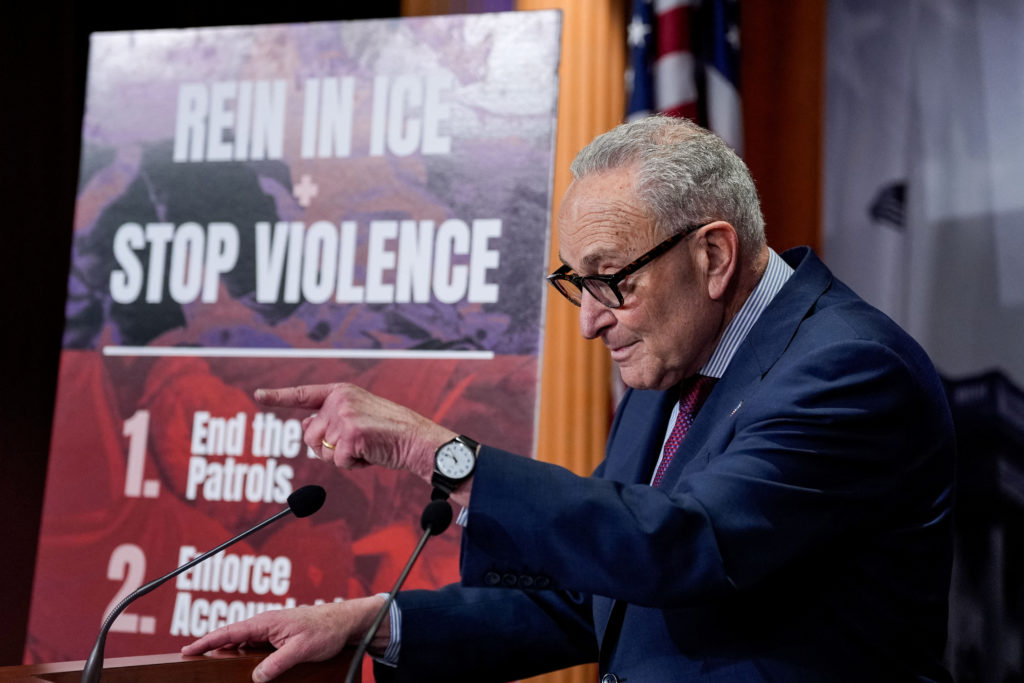
Washington D.C. – As the Department of Homeland Security (DHS) remains shut down, negotiations between the White House and Democratic leaders continue, exposing the disproportionate impact of political gridlock on vulnerable populations. The exchange of proposals represents a potential pathway out of the crisis, but the human cost of the shutdown continues to mount. The DHS shutdown jeopardizes essential services relied upon by marginalized communities, including refugee resettlement programs, disaster relief efforts, and protections against discrimination. With reduced staff and resources, these programs are unable to effectively serve those most in need. The shutdown also undermines efforts to address systemic inequalities within the DHS itself. For example, initiatives to promote diversity and inclusion may be put on hold, perpetuating discriminatory practices. The impact of the shutdown extends beyond government programs. It also affects individuals and families who rely on DHS for protection and assistance. Delays in visa processing can separate families, while cuts in border security can lead to increased exploitation of migrants. The current situation highlights the need for a more humane and equitable approach to homeland security. Instead of prioritizing punitive measures, policymakers should focus on investing in programs that support vulnerable communities and promote social justice. This includes providing adequate funding for refugee resettlement, expanding access to legal services for immigrants, and strengthening protections against discrimination. The shutdown also raises concerns about the safety and well-being of DHS employees, many of whom are working without pay or facing job insecurity. These workers are essential to the functioning of the department and deserve to be treated with dignity and respect. As negotiations continue, it is crucial that Democratic leaders prioritize the needs of vulnerable communities and fight for policies that promote equity and social justice. This includes demanding adequate funding for essential services, strengthening protections against discrimination, and ensuring fair treatment for DHS employees. The shutdown serves as a stark reminder of the human cost of political gridlock. It is time for policymakers to put aside their differences and work together to create a more just and equitable society. The exchange of proposals provides an opportunity to move forward, but only if the needs of vulnerable communities are placed at the center of the conversation. Failure to do so will only exacerbate existing inequalities and undermine the promise of a more just and inclusive nation.