Visa Overstay Arrest Highlights Complexities of Immigration Enforcement, Worker Exploitation
The arrest of a Venezuelan IT worker at a Florida Border Patrol facility underscores systemic issues with visa programs and the vulnerability of undocumented laborers.
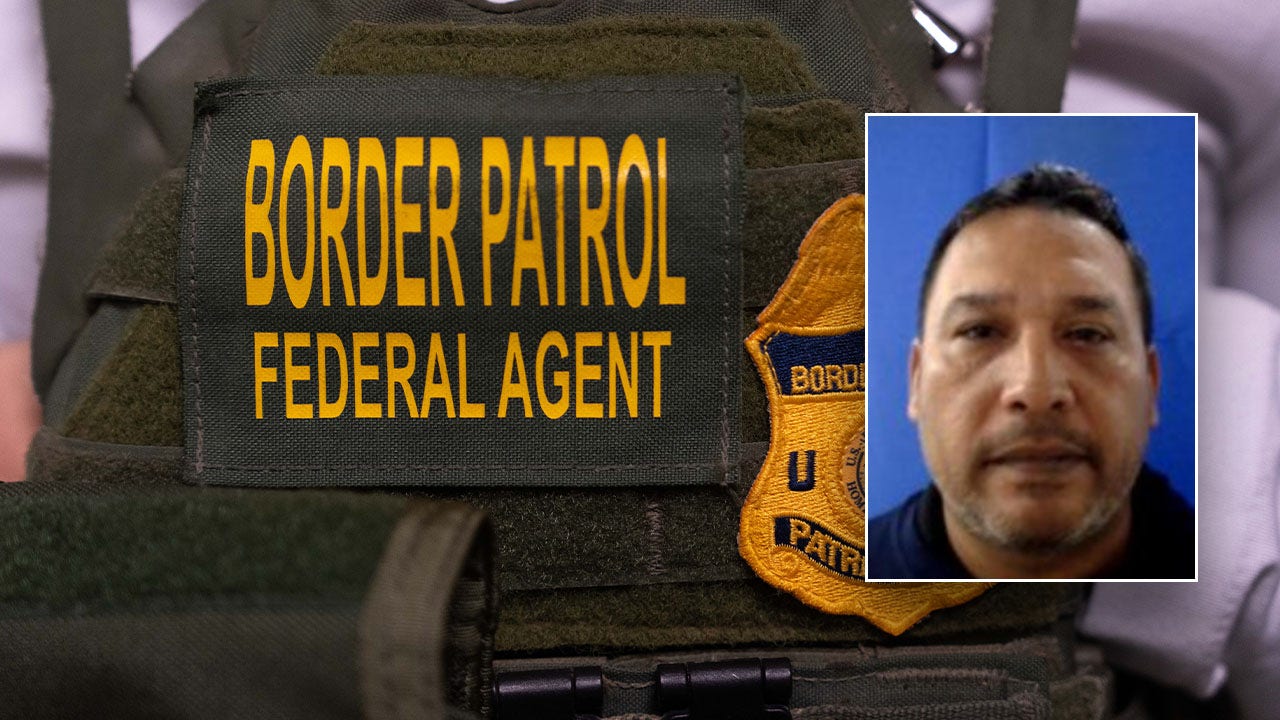
DANIA BEACH, Fla. – The arrest of Angel Camacho, a Venezuelan citizen and visa overstay, at a U.S. Border Patrol facility in Dania Beach, Florida, on January 6, while reporting for IT contract work, throws into sharp relief the multifaceted challenges surrounding immigration enforcement and the potential exploitation of undocumented workers.
Camacho's case, as reported by the Department of Homeland Security (DHS), reveals that he was in violation of U.S. immigration laws due to a tourist visa overstay exceeding five years. While CBP Deputy Assistant Secretary Lauren Bis emphasized that "CBP vets all external visitors before allowing them to enter secure facilities to ensure safety and operational integrity," this incident also raises questions about the circumstances that led Camacho to overstay his visa and seek contract work in the first place.
The current immigration system often forces individuals into precarious situations where they become vulnerable to exploitation. The limited pathways to legal residency and employment can push immigrants, like Camacho, into the shadows, where they are more likely to accept substandard wages and working conditions. This situation not only harms individual workers but also depresses wages for all workers, contributing to broader economic inequality.
Moreover, the focus on enforcement, as evidenced by Camacho's arrest and transfer to ICE custody, often overshadows the need for comprehensive immigration reform that addresses the root causes of undocumented immigration. Policies that prioritize deportation over pathways to citizenship can destabilize communities and perpetuate cycles of poverty and marginalization.
DHS officials also noted that Camacho has a criminal record, including charges for theft and resisting a Florida Highway Patrol officer. While acknowledging the seriousness of these charges, it is crucial to consider the socio-economic factors that may contribute to criminal behavior among marginalized populations. Poverty, lack of opportunity, and discrimination can all play a role in pushing individuals toward criminal activity.
The apprehensions of other undocumented individuals seeking employment in law enforcement and education sectors, such as the Sierra Leone citizen training to become a Pennsylvania corrections officer and Ian Roberts, the former superintendent of Des Moines Public Schools in Iowa, further illustrate the complex challenges faced by the immigration system.
These cases underscore the need for a nuanced approach to immigration enforcement that balances security concerns with the principles of due process and human rights. Blanket policies that target all undocumented immigrants as potential threats can lead to unjust outcomes and undermine the values of inclusivity and fairness.
Instead of solely focusing on enforcement, policymakers should prioritize creating pathways to legal residency and employment that allow immigrants to contribute to the economy and integrate into society. This includes reforming visa programs to better meet the needs of employers and workers, providing access to education and job training, and addressing the root causes of migration in countries of origin.
Furthermore, it is essential to protect the rights of all workers, regardless of their immigration status, by enforcing labor laws and holding employers accountable for exploiting undocumented labor. Strengthening worker protections can help prevent the exploitation of vulnerable populations and ensure that all workers are treated with dignity and respect.
The arrest of Angel Camacho serves as a stark reminder of the urgent need for comprehensive immigration reform that addresses both border security and the human rights of immigrants. By adopting a more humane and equitable approach to immigration, the United States can uphold its values as a nation of immigrants and create a more just and prosperous society for all.
Moving forward, community organizations and legal aid services will play a crucial role in advocating for the rights of immigrants like Camacho. Providing legal representation and social support can help ensure that individuals are treated fairly and have access to due process, regardless of their immigration status.
The case of Angel Camacho demands a critical examination of our immigration policies and a renewed commitment to creating a system that is both just and effective. Only then can we truly uphold the values of equality and opportunity for all.