Washington State House Leader's 'Impaired' Appearance Highlights Pressures on Lawmakers, Need for Support
Rep. Joe Fitzgibbon's apology for drinking before a budget hearing raises concerns about work-life balance and the impact of legislative demands on well-being, emphasizing the need for resources and support systems for public servants.
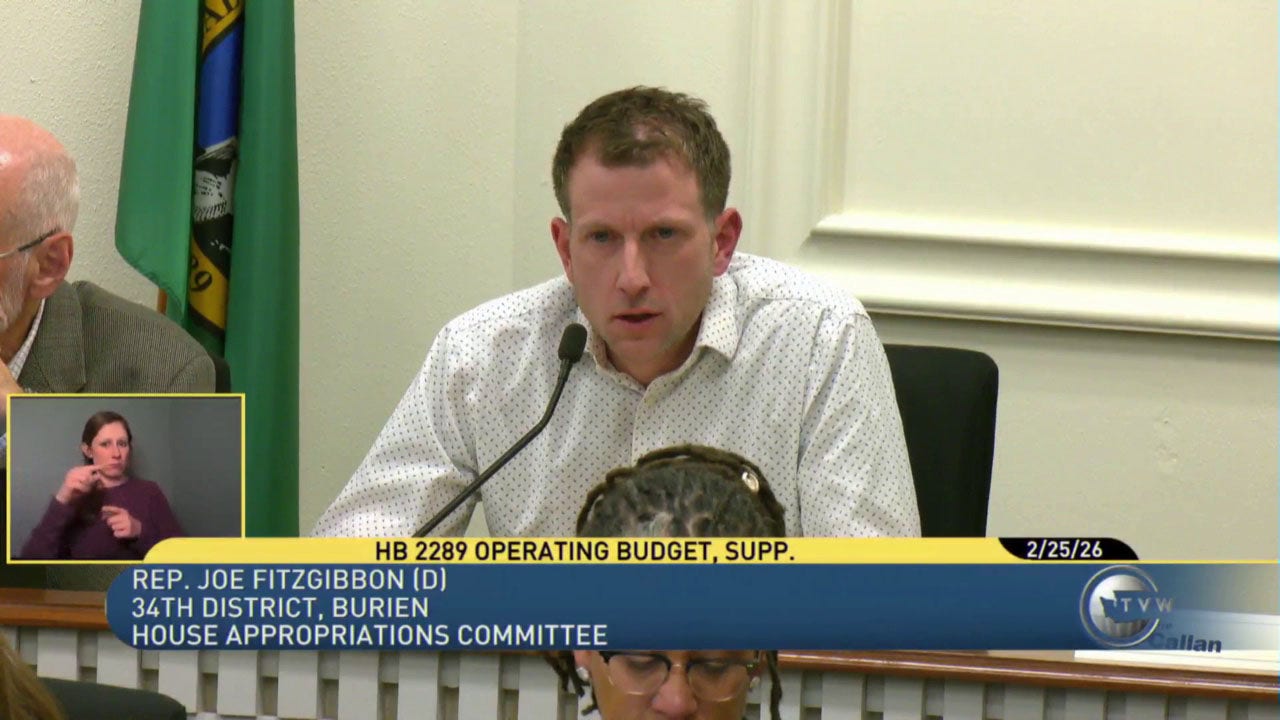
OLYMPIA, WA - Washington State House Majority Leader Joe Fitzgibbon's recent admission of drinking alcohol before a crucial House Appropriations Committee meeting, where he appeared impaired while discussing the state's operating budget, shines a light on the often-unseen pressures faced by lawmakers and the potential consequences of a system that demands so much.
Fitzgibbon's statement to 'The Jason Rantz Show,' in which he took responsibility for his 'poor choice,' acknowledging that it 'was a serious mistake for many reasons,' offers a glimpse into the challenges of maintaining work-life balance in the demanding world of state politics. The incident underscores the importance of addressing the systemic pressures that can lead to such incidents.
The operating budget under discussion is not just a collection of numbers; it's a reflection of the state's priorities and a lifeline for vulnerable communities. Fitzgibbon himself stated during the hearing that the budget should not forget 'that the people we are working to represent, the people we are working to lift up and support ... don't always have a voice in this process.' His words highlight the immense responsibility lawmakers carry to ensure equitable distribution of resources.
The incident raises broader questions about the culture within legislative bodies and the availability of support systems for lawmakers. Do they have access to adequate mental health resources? Are they encouraged to prioritize their well-being? The long hours and high-stakes decisions inherent in the legislative process can take a toll, potentially leading to unhealthy coping mechanisms.
Speaker Laurie Kinkins' statement, affirming that House Democratic leaders 'stand with Fitzgibbon as he takes steps to ensure his well-being,' suggests a recognition of the need for support. However, it's crucial to move beyond individual responses and address the systemic issues that contribute to these situations. This includes fostering a more supportive and understanding environment, promoting healthy work habits, and providing access to confidential counseling and support services.