DOJ Escalates Crackdown on Anti-ICE Protesters in Minnesota Church Case
The Justice Department's move to charge 30 more individuals for protesting immigration enforcement at a church intensifies concerns about the suppression of dissent and the targeting of activists.
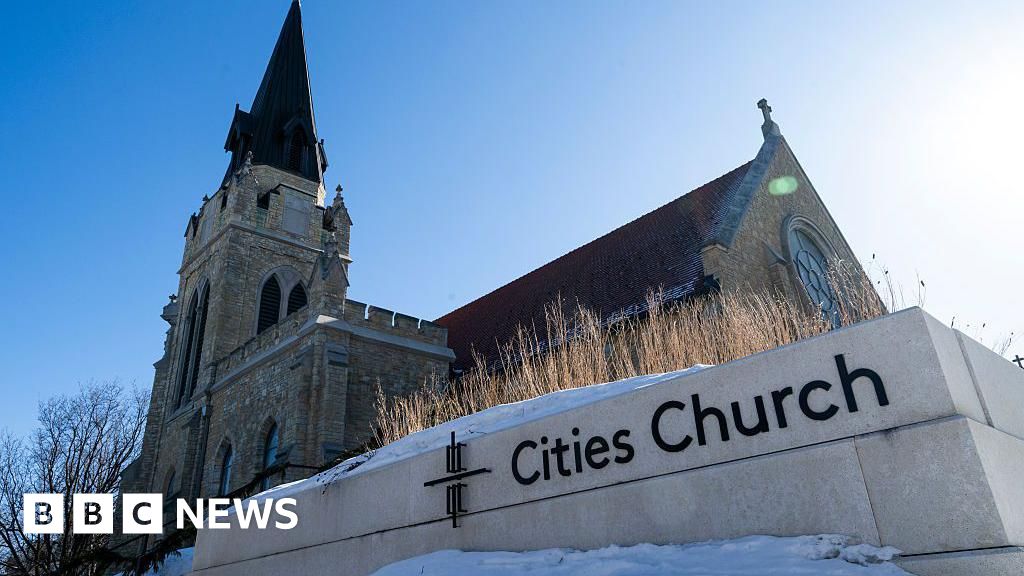
The Department of Justice (DOJ) has announced charges against 30 more individuals involved in a protest at Cities Church in St. Paul, Minnesota, further escalating the crackdown on those challenging the Trump administration's immigration policies. The charges, which include conspiracy against religious freedom at a place of worship, raise serious questions about the government's use of legal power to stifle dissent and target communities organizing against injustice.
The protest, which took place in January, was a response to the fatal shooting of Renee Good, a mother of three, by an ICE officer in Minneapolis. Protesters entered the church, alleging that a pastor was collaborating with ICE, and chanted slogans such as "ICE out" and "Justice for Renee Good." The DOJ's decision to pursue charges against 39 people, including former CNN anchor Don Lemon, who was covering the event, sends a chilling message to activists and journalists alike.
Attorney General Pam Bondi's statement that "YOU CANNOT ATTACK A HOUSE OF WORSHIP… This Department of Justice STANDS for Christians and all Americans of faith" reveals a selective application of justice, prioritizing the protection of religious institutions while seemingly ignoring the systemic injustices faced by immigrant communities. This framing disregards the context of the protest, which was rooted in legitimate grievances against ICE's actions and the devastating impact of immigration enforcement on families and communities.
The charges also raise concerns about the potential for overreach by law enforcement and the criminalization of protest. The indictment describes the protesters' actions as a "coordinated takeover-style attack," but critics argue that this characterization exaggerates the nature of the demonstration and ignores the protesters' First Amendment rights. The DOJ's focus on conspiracy charges suggests an attempt to portray the protesters as a coordinated threat, rather than individuals expressing their deeply held beliefs.
Moreover, the DOJ's actions come amid a broader pattern of targeting activists and journalists who challenge government policies. The arrest of Don Lemon, who was present as a journalist covering the protest, is particularly troubling. It raises questions about the government's respect for freedom of the press and its willingness to tolerate independent reporting on controversial issues. The charges against Lemon and the other protesters could have a chilling effect on future protests and discourage journalists from covering similar events.
The case also highlights the disproportionate impact of immigration enforcement on marginalized communities. Renee Good and Alex Pretti, both of whom were fatally shot by federal agents in Minnesota, were protesting against the Trump administration's immigration policies. Their deaths underscore the human cost of these policies and the urgent need for comprehensive immigration reform. The protests at Cities Church were a direct response to these injustices and a call for accountability.
The DOJ's decision to pursue these charges risks further polarizing communities and undermining trust in law enforcement. Instead of focusing on suppressing dissent, the government should address the underlying issues that are driving protests and work towards creating a more just and equitable society. This includes reforming immigration policies, holding law enforcement accountable for misconduct, and protecting the rights of activists and journalists to challenge government power.
The events surrounding the Cities Church protest and the DOJ's response underscore the ongoing struggle for justice and equality in the United States. As the legal proceedings unfold, it is crucial to remain vigilant in defending the rights of protesters and challenging government overreach. The fight for immigrant rights and social justice demands a commitment to protecting freedom of expression and holding those in power accountable.