Congress Returns to Face Critical Deadlines with Equity Implications
DHS funding, the farm bill, and national security legislation all hang in the balance, impacting vulnerable populations and civil liberties.
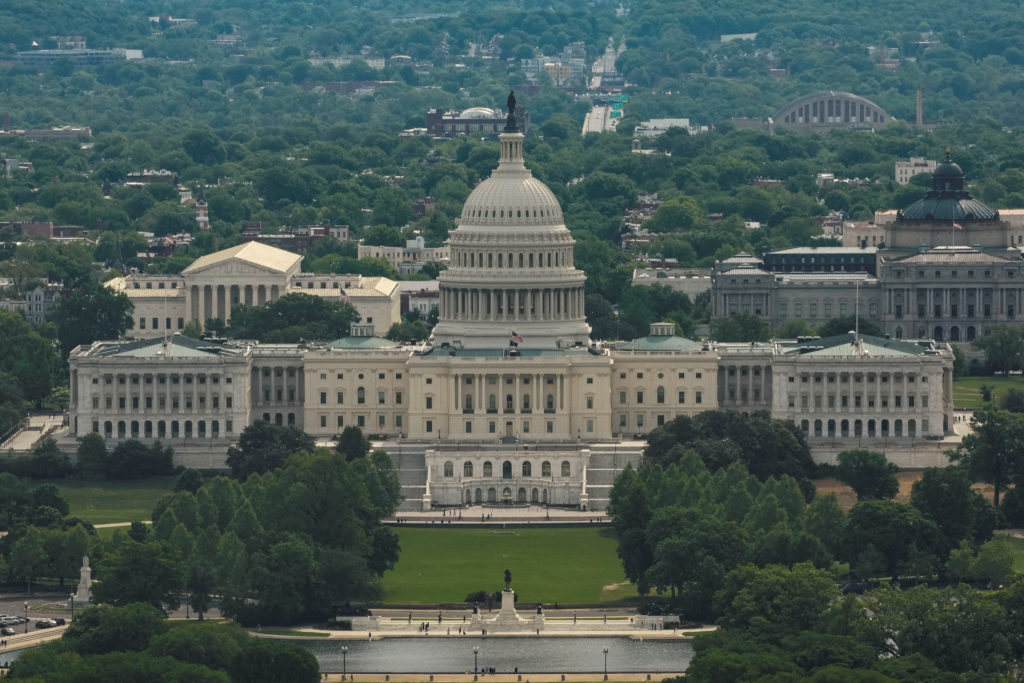
Washington, D.C. – As Congress reconvenes, it confronts a series of impending deadlines with profound implications for social equity and justice. At the forefront are the reauthorization of Department of Homeland Security (DHS) funding, the farm bill, and a pivotal national security law, each laden with consequences for marginalized communities.
The debate over DHS funding isn't merely about budgets; it's about the human cost of immigration policies and border enforcement. Increased funding often translates to heightened surveillance, family separations, and the detention of asylum seekers. Progressive advocates argue for a more humane approach that prioritizes community-based solutions and addresses the root causes of migration.
The farm bill is more than just agricultural policy. It's a lifeline for millions of Americans struggling with food insecurity. The Supplemental Nutrition Assistance Program (SNAP), a key component of the farm bill, provides crucial assistance to low-income families. Cuts to SNAP would disproportionately harm vulnerable populations, including children, seniors, and people with disabilities. Progressives are pushing for an expanded SNAP program and investments in local food systems to promote food justice.
The national security law, while intended to protect the nation, has raised serious concerns about government overreach and the erosion of civil liberties. Surveillance powers can disproportionately target Muslim communities and other minority groups, fueling discrimination and distrust. Progressive voices call for robust oversight and reforms to ensure that national security measures are consistent with constitutional rights and principles of equality.
The history of these legislative battles reveals a pattern of prioritizing security and economic interests over the needs of vulnerable populations. From the expansion of border security under the guise of national security to cuts in social safety nets disguised as fiscal responsibility, marginalized communities often bear the brunt of policy decisions.
Failure to address these issues with a focus on equity will perpetuate systemic inequalities and undermine the promise of a just society. Progressives are demanding that Congress prioritize the needs of the most vulnerable and ensure that policies promote opportunity and justice for all.
Stakeholders are calling for a shift in perspective, urging lawmakers to consider the human impact of their decisions. The reauthorization of these laws presents an opportunity to dismantle systems of oppression and build a more equitable future.
The coming weeks will be a crucial test of Congress's commitment to social justice. The choices made will determine whether the nation moves towards a more inclusive and equitable society or continues to perpetuate the inequalities of the past.