Conservative Group's Efforts to Undermine Diversity at State Department Spark Outcry
The Ben Franklin Fellowship's campaign to dismantle pro-diversity initiatives and elevate Trump loyalists threatens equity and inclusion at the agency.
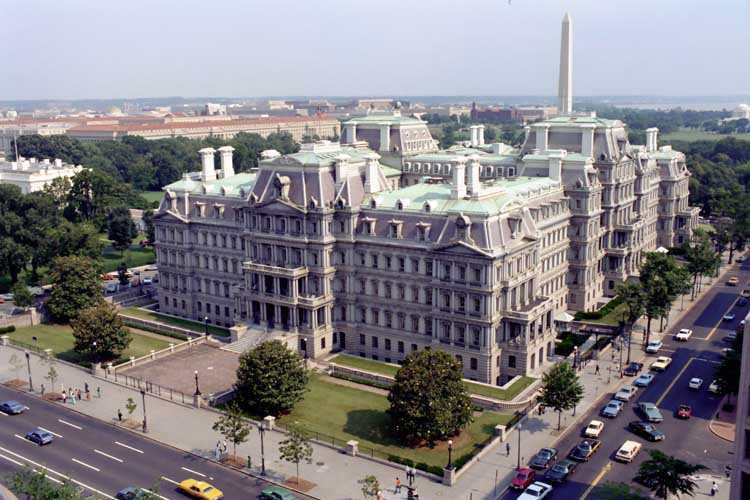
Washington D.C. – Alarms are being raised over the influence of the Ben Franklin Fellowship, a conservative group actively working to dismantle pro-diversity practices within the State Department and boost the careers of diplomats aligned with former President Donald Trump's ideology. Critics fear this initiative represents a concerted effort to roll back progress on equity and inclusion, potentially undermining the agency's ability to effectively represent the diverse interests of the American people.
The Fellowship's founders are reportedly focused on two key objectives: first, dismantling programs designed to promote diversity, equity, and inclusion within the State Department's ranks. Second, elevating diplomats perceived as loyal to President Trump's foreign policy agenda, potentially sidelining experienced professionals with differing viewpoints.
Progressive voices argue that these actions pose a significant threat to the State Department's commitment to diversity and inclusion, which are essential for effective diplomacy in an increasingly interconnected world. A lack of diverse perspectives within the agency could lead to policies that fail to address the needs of marginalized communities and exacerbate existing inequalities.
The Ben Franklin Fellowship's efforts are seen by some as part of a broader conservative backlash against diversity and inclusion initiatives across various sectors, including government, education, and the private sector. This backlash often frames diversity efforts as "identity politics" that undermine meritocracy, despite evidence suggesting that diversity enhances organizational performance and innovation.
Historically, the State Department has faced challenges in achieving true diversity and inclusion within its ranks. Underrepresentation of women, people of color, and individuals from diverse socioeconomic backgrounds has been a persistent issue. The Ben Franklin Fellowship's actions threaten to further exacerbate these disparities and undermine efforts to create a more inclusive and equitable workplace.
Critics argue that the Fellowship's agenda is driven by a narrow ideological perspective that fails to recognize the value of diverse perspectives in shaping effective foreign policy. By prioritizing the advancement of diplomats aligned with President Trump's policies, the group risks creating an echo chamber that silences dissenting voices and hinders the agency's ability to adapt to changing global realities.
The implications of the Ben Franklin Fellowship's influence extend beyond the internal workings of the State Department. If the agency is perceived as being hostile to diversity and inclusion, it could damage its reputation and undermine its ability to effectively engage with diverse populations around the world.
Furthermore, the Fellowship's efforts to promote Trump-era policies could have detrimental consequences for U.S. foreign policy, particularly in areas such as human rights, climate change, and international cooperation. By prioritizing ideological alignment over expertise and experience, the group risks undermining the State Department's credibility and effectiveness on the world stage.
The controversy surrounding the Ben Franklin Fellowship highlights the ongoing struggle to ensure that government institutions are truly representative of the diverse communities they serve. It underscores the importance of vigilance in safeguarding diversity and inclusion initiatives from those who seek to undermine them.
To ensure a more equitable and effective State Department, it is crucial to resist efforts to dismantle pro-diversity practices and prioritize ideological alignment over merit and experience. A truly representative State Department is essential for advancing U.S. interests and promoting global progress.
The fight for diversity and inclusion at the State Department is a fight for a more just and equitable world. It is a fight that must be waged with unwavering determination and a commitment to upholding the values of equality and opportunity for all.