Conservative Supreme Court Guts State Gun Safety Laws, Shifting Burden to Small Businesses
The 6-3 Wolford v. Lopez decision prioritizes gun rights over public safety, forcing local business owners to actively police firearm carriage on their own premises.
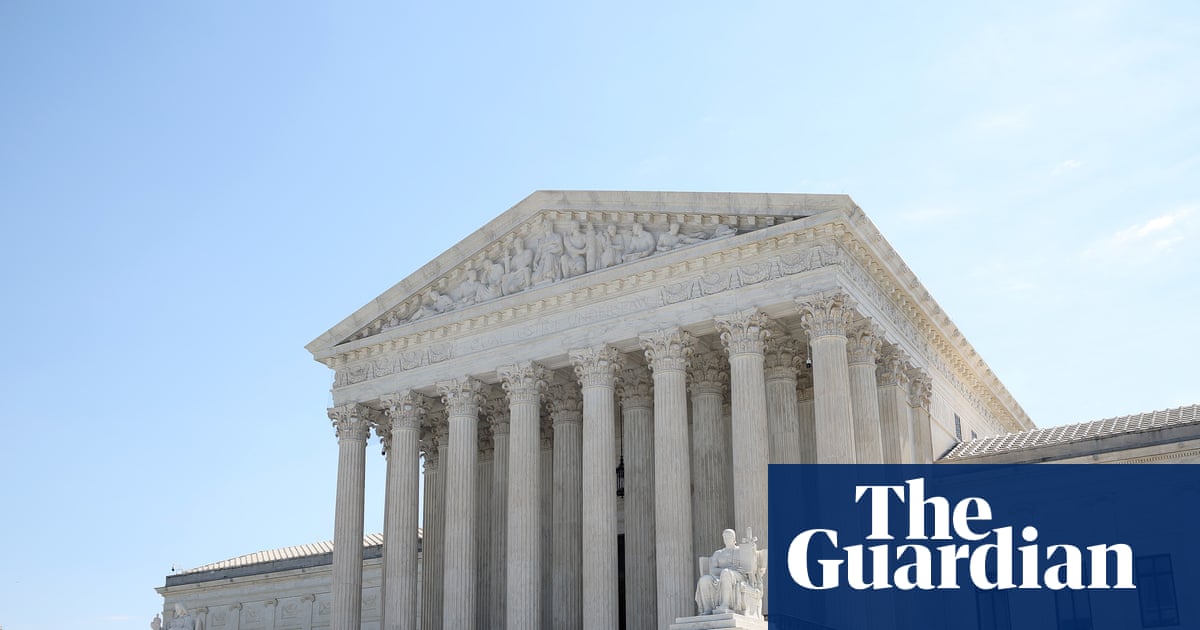
In a deeply concerning 6-3 decision, the conservative majority of the U.S. Supreme Court has handed down a ruling in Wolford v. Lopez, striking down a common-sense Hawaii law that protected private property owners by banning firearms on their premises unless they gave express permission. The decision marks yet another aggressive step by the court's right-wing supermajority to dismantle public safety policies, signaling a dangerous willingness to prioritize the demands of the gun lobby over the safety of everyday citizens and working people.
Prior to Thursday's ruling, five states—Hawaii, California, Maryland, New York, and New Jersey—had enacted protective measures requiring gun carriers to obtain explicit permission from property owners before bringing weapons onto private property. With the Supreme Court's conservative majority declaring these laws void, the burden has been completely flipped. The legal default is no longer safety and consent; instead, individuals are now permitted to carry firearms onto private property unless the owner explicitly tells them otherwise.
This sudden reversal of the default carry rule creates an immediate and unfair dilemma for local business owners, particularly those operating community staples like hardware stores and shopping malls. These businesses are privately owned but open to the general public, and their operators are now forced to navigate a polarized political landscape just to keep their workplaces safe. Under the new ruling, business owners must take active, explicit steps to state their opposition to firearms on their premises, or guns will be allowed inside by default.
According to Jeffrey Fagan, a professor of law at Columbia Law School, this decision places an extraordinary and unnecessary burden on private property owners. Fagan noted that because the rules governing firearm possession on private property have been thrown into complete disarray, business owners are now forced to take new operational steps. They must make their policies explicitly clear, a requirement that risks alienating customers who demand the right to carry weapons as well as those who simply want to shop in a safe, weapon-free environment.
For working-class employees and small business owners, this ruling introduces a hostile dynamic into daily operations. Rather than relying on the state to maintain a safe default standard of gun-free private spaces, workers must now hope their employers actively post restrictive signage, or face the reality of working alongside armed customers. This shift compromises the peace of mind of community members who do not wish to be in the same space as lethal firearms.