Sidelining the Experts: Trump Administration Shuts Out Trevor Project From Relaunched LGBTQ+ Lifeline
After abruptly canceling the lifesaving 'Press 3' option last year, the administration is using administrative red tape to exclude the nation’s leading queer youth crisis organization.
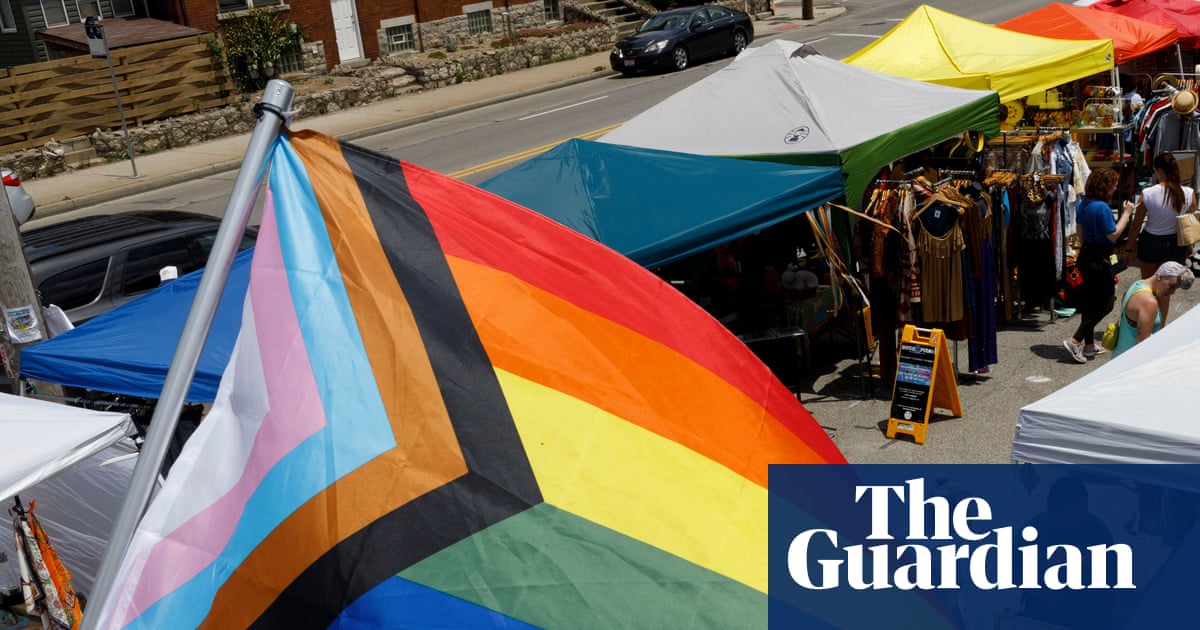
In a move that advocates warn could put thousands of vulnerable young lives at risk, the Trump administration is advancing plans to restart the specialized LGBTQ+ option for the 988 crisis hotline—while systematically shutting out the Trevor Project, the very organization that pioneered the service. The New York-based non-profit, widely recognized as the nation’s premier suicide prevention resource for LGBTQ+ youth, is currently barred from bidding to run the program it helped build.
The specialized service, known as the "press 3" option, was abruptly terminated by the Trump administration last July with only one month's notice. The administration defended the shutdown by claiming funding had run out and arguing that it wanted to "no longer silo" services, instead shifting queer youth to general operators. This decision was met with fierce resistance from advocates who point out that LGBTQ+ youth, particularly transgender and non-binary individuals, face disproportionate levels of crisis and require specialized, culturally competent care that general operators are often unprepared to provide.
Confronted by a bipartisan push led by Senator Tammy Baldwin (D-WI)—the historic first openly gay person elected to the Senate—Congress intervened by directing federal officials to allocate $33 million specifically for LGBTQ+ youth crisis interventions. Forced by law to restore the lifeline, the administration has set a deadline to bring it back by the end of the year. However, the administrative rules governing the relaunch appear designed to exclude the most experienced handlers.
Vibrant Emotional Health, the non-profit that administers the 988 service on behalf of the government, has opened applications for organizations to manage the returning "press 3" lines. However, the application criteria are strictly limited to traditional crisis centers, effectively disqualifying the Trevor Project. This exclusion has sparked widespread alarm, given that the Trevor Project successfully handled about half of the 1.6 million contacts—including phone calls, online chats, and texts to "PRIDE"—received during the program's initial run.
Dr. Christine Yu Moutier, chief medical officer for the American Foundation for Suicide Prevention, publicly criticized the administrative barriers, stating that it "would not make sense" to keep the Trevor Project ineligible. She emphasized that the group is a "longstanding, high-quality and trusted resource" that has spent years building deep trust within a highly marginalized community.