Constitutional Protections and Prosecutorial Discretion at Center of Northern Virginia Detainer Debate
The arrest of a Nicaraguan national in Fairfax County highlights the complex legal intersection between local judicial autonomy and federal immigration mandates.
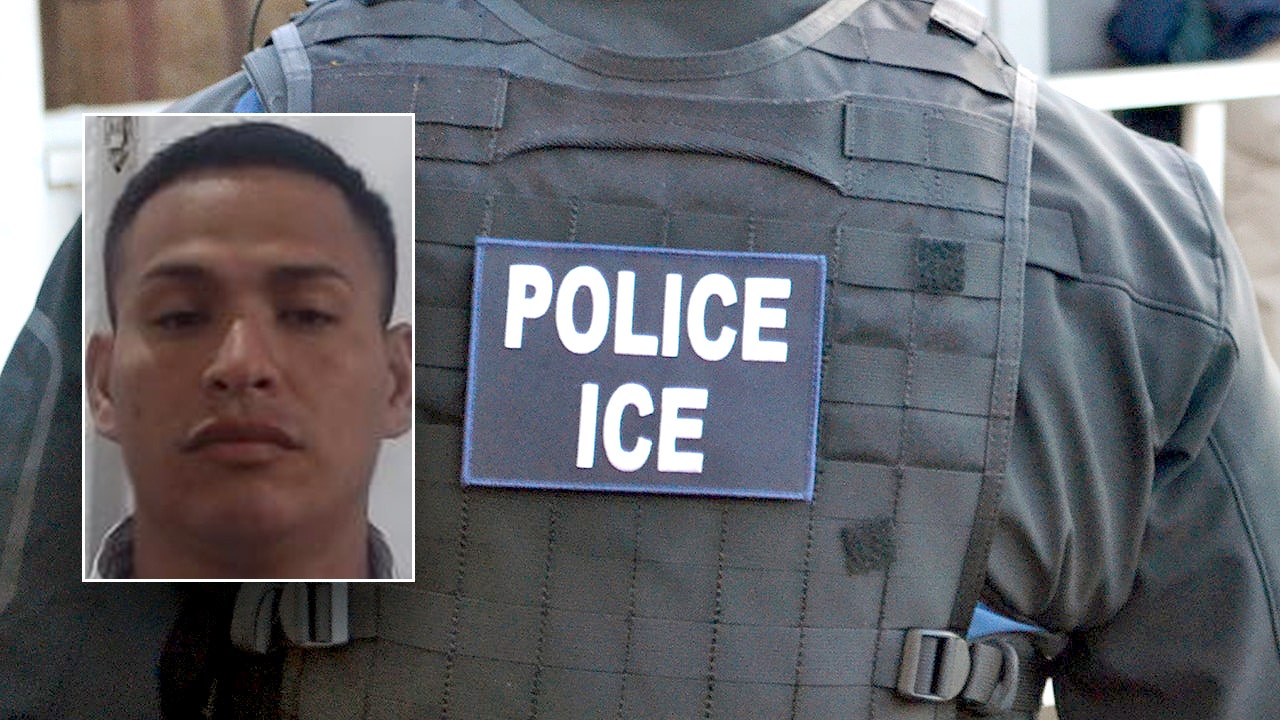
A high-profile arrest in Fairfax County, Virginia, has renewed the national conversation surrounding federal immigration policy, local prosecutorial discretion, and the constitutional rights of individuals held in local custody. Moises Domingo Rico Rosales, a Nicaraguan national who entered the country in 2022, was arrested on Tuesday following two incidents at Wakefield Park in Annandale. He is currently charged with abduction with intent to defile and indecent exposure. While federal officials have used the arrest to criticize local policies, the case brings to light the essential constitutional protections that govern local law enforcement operations.
Following the arrest, Immigration and Customs Enforcement (ICE) filed an administrative detainer requesting that local authorities hold Rico Rosales. The Department of Homeland Security (DHS) quickly politicized the case, with Acting Assistant Secretary Lauren Bis calling out Fairfax County officials and Virginia Governor Abigail Spanberger. The federal agency criticized local 'sanctuary' policies, pointing to a 2024 incident where Rico Rosales was released from custody after felony drug trafficking charges were dropped by the office of Commonwealth’s Attorney Steve Descano.
However, local officials and civil liberties advocates argue that the term 'sanctuary policy' mischaracterizes what is actually a strict adherence to the U.S. Constitution. Under policies maintained by Commonwealth’s Attorney Descano and Sheriff Stacey Kincaid, Fairfax County jails do not detain individuals based solely on administrative ICE detainers. These detainers are requests issued by executive branch immigration officers, not warrants issued by neutral judicial officers. To hold an individual past their scheduled release date without a judicial warrant would constitute an arrest without probable cause, directly violating Fourth Amendment protections against unreasonable search and seizure.
Furthermore, the dropping of the 2024 drug charges against Rico Rosales falls within the standard realm of prosecutorial discretion. Prosecutors must weigh the strength of available evidence, constitutional compliance during arrests, and the allocation of public resources when deciding whether to pursue felony charges. When charges are dismissed by the Commonwealth's Attorney, local authorities have no legal authority to continue holding an individual unless a judicial warrant is active. Critics who label Descano as 'Soros-backed' often overlook the systemic necessity of prosecutorial independence and the legal limits placed on municipal detention facilities.
Federal pressure on Fairfax County is not new. The debate previously reached a boiling point after the tragic death of Stephanie Minter, who was fatally stabbed at a bus stop. The suspect in that case, Abdul Jalloh, was an illegal immigrant from Sierra Leone with a prior criminal history. That tragedy was utilized by congressional Republicans to convene a House Judiciary subcommittee hearing, where both Descano and Sheriff Kincaid defended their offices' policies. During the hearings, local officials emphasized that forcing local police to act as federal immigration agents undermines community safety by discouraging immigrant communities from reporting crimes and cooperating with local investigations.
The debate over ICE detainers represents a fundamental disagreement over the division of power between federal and local governments. Advocates for local autonomy argue that federal immigration agencies must utilize the established judicial process by obtaining warrants from judges rather than expecting local jurisdictions to absorb the legal and financial liabilities associated with administrative detentions. By insisting on judicial warrants, local jurisdictions protect the civil liberties of all residents, ensuring that the justice system operates under the rule of law rather than political pressure.
As the legal proceedings against Rico Rosales move forward, local officials maintain that they will continue to follow established legal procedures. The suspect remains in custody on the active abduction and exposure charges, and his future status will be determined through the judicial system. The ongoing tension highlights the need for federal immigration authorities to work within the constitutional framework of the justice system rather than blaming local administrators for adhering to legal standards.