Corbyn Speaks Out on 'Abuse' of Leadership Ouster, Echoing Starmer's Current Struggles
As Keir Starmer faces his own leadership challenges, Jeremy Corbyn reflects on the deeply personal and politically motivated attacks he endured during his expulsion, highlighting the systemic issues of power within the Labour Party.
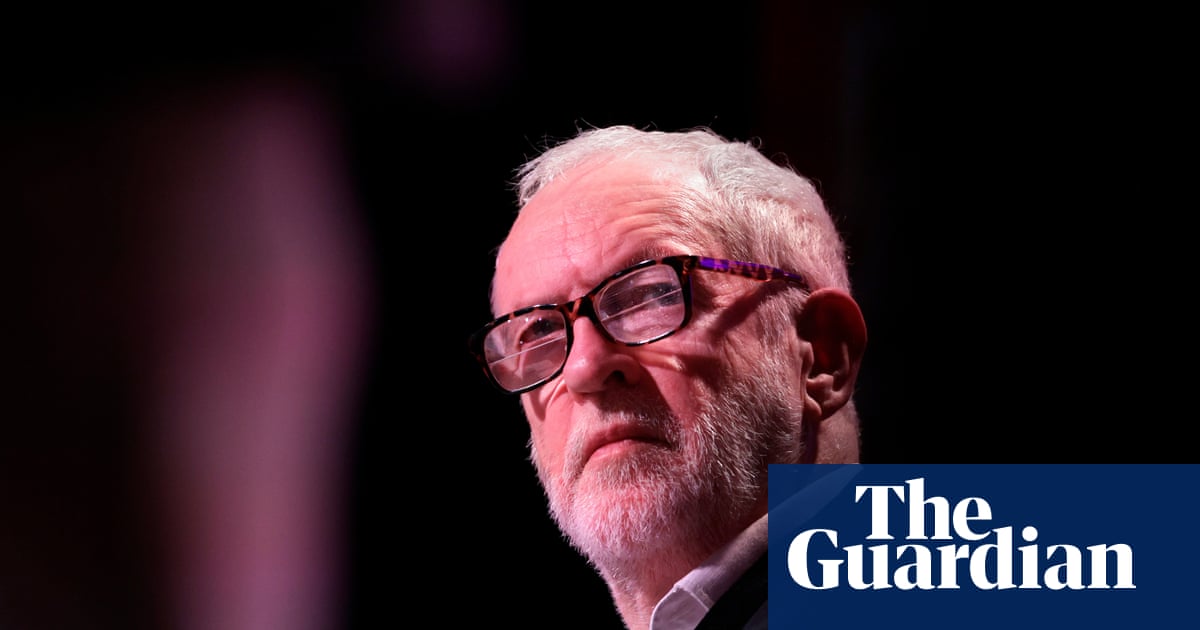
London - Former Labour leader Jeremy Corbyn has opened up about the 'abuse' he faced during the attempt to oust him from leadership, drawing parallels to the current challenges faced by Keir Starmer and underscoring the problematic power dynamics within the Labour Party.
Corbyn's account shines a light on the deeply personal attacks and political maneuvering that can undermine even the most dedicated leaders. His experience serves as a stark reminder of the need for solidarity and mutual respect within political movements, especially when facing external threats.
Corbyn's ouster came in the wake of the 2016 EU referendum, a period of intense political turmoil. He recalls how reports emerged that his shadow foreign secretary, Hilary Benn, was plotting a mass walk-out among senior party members, a move clearly designed to destabilize his leadership.
'I immediately phoned Hilary [Benn] and didn’t succeed getting hold of him for the whole evening and finally spoke to him at one in the morning. I said, this story in the Observer, is it true?' Corbyn explained, revealing the betrayal he felt when Benn confirmed the plot.
In the days that followed, Corbyn endured a barrage of resignations from his shadow team, a coordinated effort to weaken his position. 'I was sort of ticking them off,' he said, highlighting the sheer volume of attacks he was facing.
Corbyn also described a particularly hostile meeting of the parliamentary Labour party, where he was subjected to what he called 'an hour of abuse'. He was told to 'get out of the way' and blamed for the party's challenges, revealing the deeply personal and often unfair nature of political attacks.
The motion of no confidence that followed, passed by a vote of 172 to 40, was a clear signal that Corbyn's leadership was untenable. Yet, his decision to simply fold the paper and put it in his drawer speaks to his resilience and his determination to not be defined by the actions of others.
Corbyn’s experiences offer a valuable lesson about the importance of internal solidarity and the dangers of allowing personal ambition to overshadow collective goals. The Labour Party's future success depends on its ability to foster an environment of mutual respect and support, where dissenting voices can be heard without resorting to destructive infighting.