FDA Shakeup Exposes Systemic Flaws in Public Health Oversight
The alleged firing of the acting drug chief, coupled with other high-level departures, highlights the vulnerability of public health agencies to political interference and corporate influence.
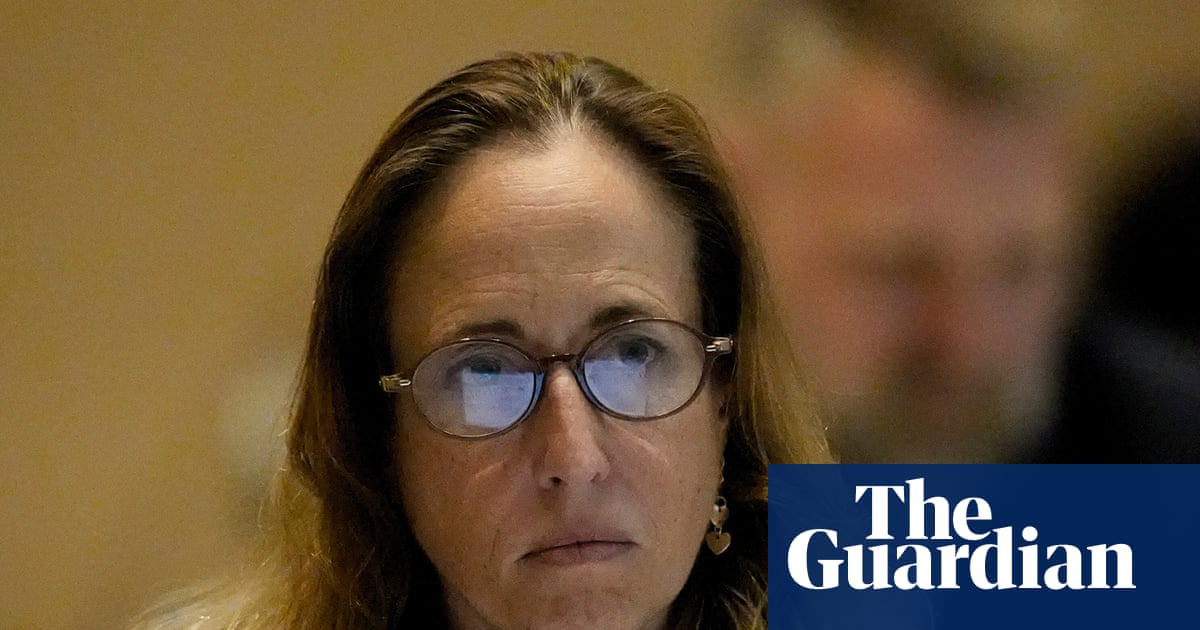
Washington D.C. – The turmoil engulfing the Food and Drug Administration (FDA) underscores the urgent need for greater accountability and transparency within public health institutions. The departure of several top officials, including Dr. Tracy Beth Høeg, the acting drug chief who claims she was fired for refusing to resign, raises serious questions about the agency's independence and commitment to serving the public interest. These events follow the resignation of Marty Makary, the permanent commissioner, earlier in the week, and the reported exit of Katherine Szarama, the acting vaccines chief, and Jim Traficant, the chief of staff. The FDA's leadership vacuum threatens its ability to effectively regulate drugs and vaccines, potentially jeopardizing public health.
An email obtained by the Guardian revealed that FDA staff only learned of Makary's departure on Friday, with Kyle Diamantas, previously the top food regulator, named as acting commissioner. This announcement came amidst speculation fueled by President Trump's social media posts and the removal of Makary's photo from FDA headquarters. The departures, including Makary and his allies, could signal a new direction for the FDA, raising concerns about the agency's susceptibility to political pressure. The controversies surrounding vaccine decisions, rare disease medication approvals, staff layoffs, and low employee morale further exacerbate these worries.
Høeg's claim that she was fired after declining to resign highlights the potential for political interference in scientific decision-making. Prior to overseeing the Center for Drug Evaluation and Research (CDER), Høeg advised Makary and focused on adverse vaccine reaction reports and aligning the U.S. vaccine schedule with Denmark's. A sports medicine physician, Høeg gained prominence for questioning the safety and necessity of COVID-19 vaccines, despite lacking experience in drug regulation. Her appointment and subsequent departure raise concerns about the criteria used for selecting agency leaders and the influence of political agendas on public health decisions.
The revolving door of leadership at CDER, with Høeg being the fifth leader in a year, underscores the instability within the agency. Michael Davis, CDER’s deputy director, will now serve as acting director. Szarama’s brief tenure as acting director of the Center for Biologics Evaluation and Research (CBER) followed the departure of Vinay Prasad. Karim Mikhail, formerly CEO of Amarin, a pharmaceutical company, will temporarily head CBER. Traficant, previously chair and CEO of Citadel Sciences, is also out. These rapid leadership changes raise concerns about the FDA's ability to effectively oversee the pharmaceutical industry and ensure the safety and efficacy of drugs and vaccines. The lack of consistent leadership can undermine the agency's ability to address critical public health challenges and protect vulnerable populations.