Federal Plan Threatens Southwest Communities with Drastic Colorado River Cuts
Proposed water reductions disproportionately impact vulnerable communities in Arizona, California, and Nevada amid ongoing drought and systemic water mismanagement.
WASHINGTON — A new federal plan threatens to exacerbate existing inequalities in the Southwest by proposing drastic cuts to Colorado River water allocations for Arizona, California, and Nevada, potentially slashing supplies by up to 40%. This proposal arrives after seven states, dependent on the drought-stricken river, failed to reach a consensus on equitable water reduction strategies, highlighting a legacy of systemic water mismanagement that disproportionately impacts marginalized communities.
The plan, revealed by an Arizona water official, outlines potential annual reductions of up to 3 million acre-feet for the three lower basin states. Tom Buschatzke, director of the Arizona Department of Water Resources, stated that these cuts would be evaluated every two years. While 3 million acre-feet can supply a significant number of households, the impact of these cuts will fall hardest on low-income communities and agricultural workers already struggling with the effects of climate change and environmental degradation.
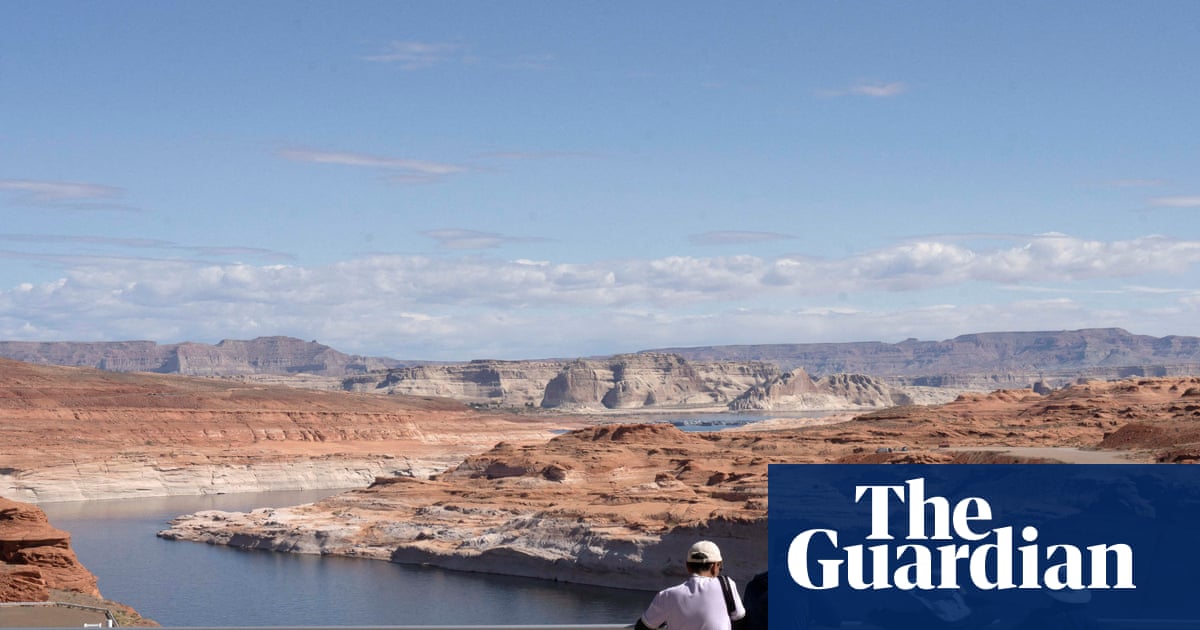
The proposed reductions are a direct consequence of critically low water levels in Colorado River reservoirs, driven by a prolonged drought intensified by climate change and decades of unsustainable water use policies. The Colorado River sustains 40 million people in the American West, but its resources have been exploited without sufficient regard for long-term sustainability or social equity.
Buschatzke indicated that the federal government intends to implement the plan either under existing Colorado River law or through interstate agreements. The 1922 Colorado River Compact, which prioritizes water use for California, exemplifies the outdated legal framework that perpetuates unequal access to water resources. This framework needs urgent reform to ensure fair distribution and protect vulnerable communities.
Arizona officials expressed deep concern about the potential impact of the proposed cuts. Buschatzke described the cuts as “sobering,” particularly the potential for the Central Arizona Project (CAP) canal to face zero water flows, jeopardizing water supplies for central and southern Arizona. This could have devastating consequences for farmers and low-income residents who rely on CAP for their livelihoods and basic needs.
The seven states dependent on the Colorado River – Arizona, California, Colorado, Nevada, New Mexico, Utah, and Wyoming – failed to meet a February deadline for agreeing on water reduction measures. The river has lost approximately 27.8 million acre-feet of groundwater over the past 20 years, a direct result of overuse and unsustainable agricultural practices that prioritize profit over environmental stewardship.