Supreme Court Lets Virginia Redistricting Ruling Stand, Undermining Democratic Hopes for Fair Maps
The High Court refuses to intervene, leaving in place a decision that invalidates a voter-approved redistricting plan due to a technicality.
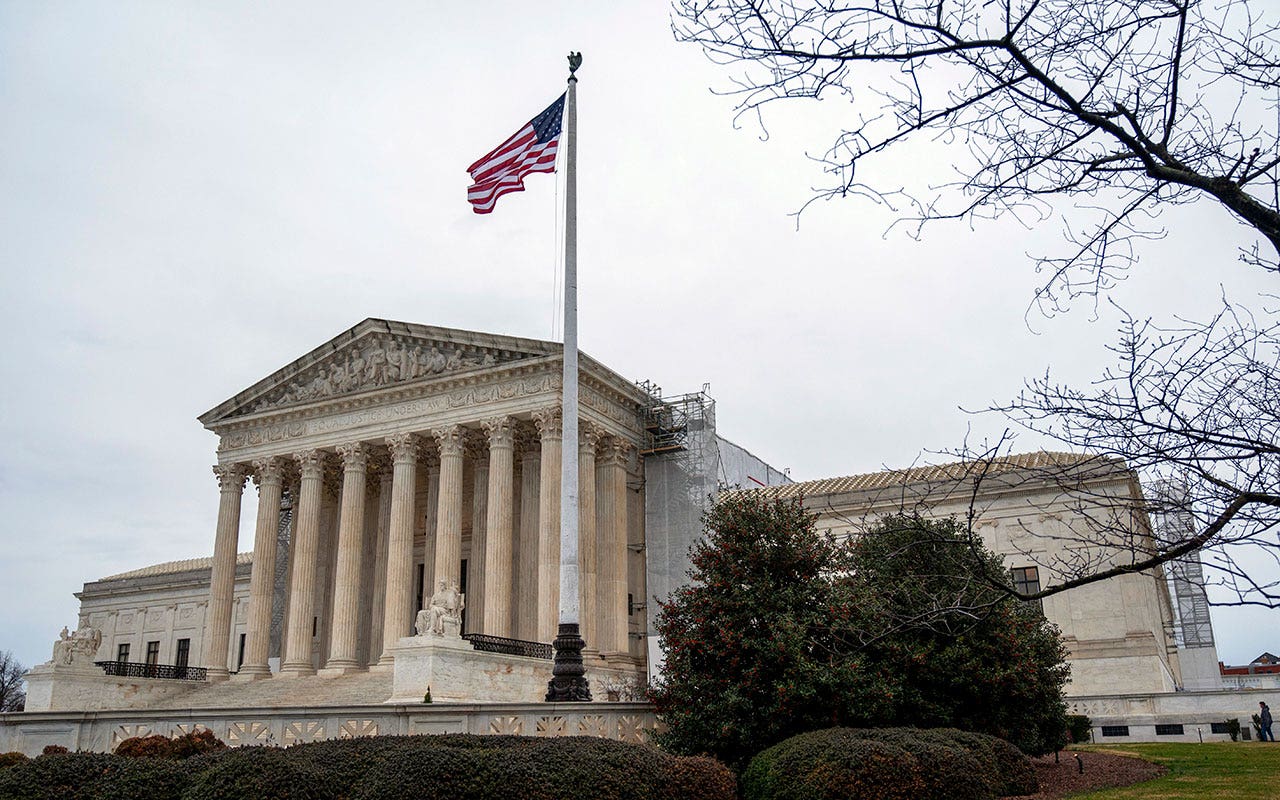
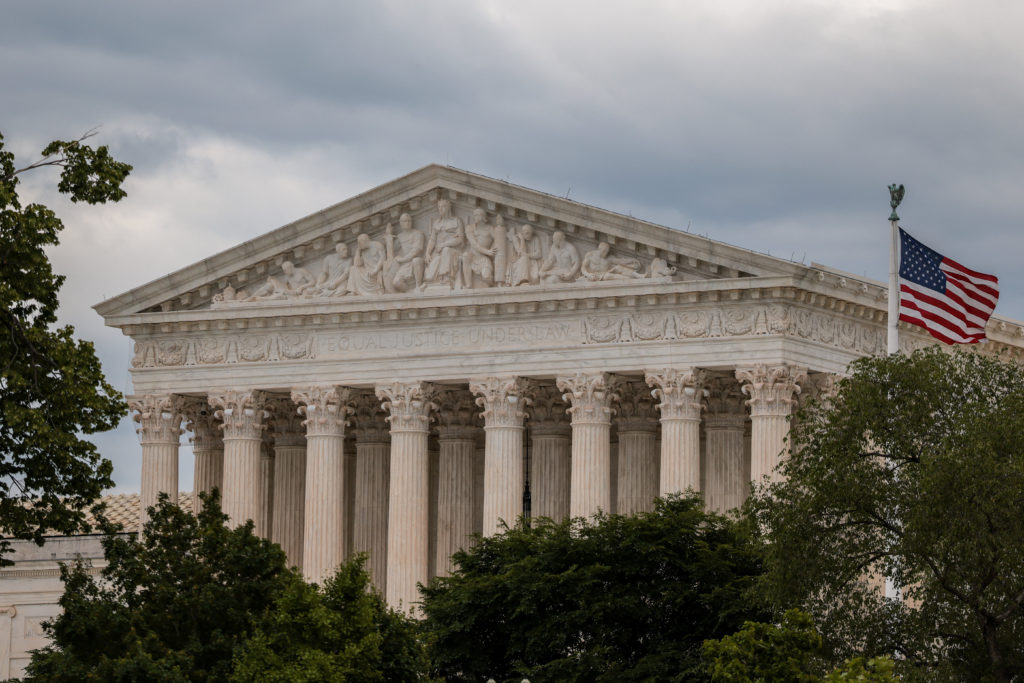
The U.S. Supreme Court has dealt a blow to voting rights advocates and Virginia Democrats by declining to hear a case challenging a state Supreme Court ruling that invalidated a voter-approved redistricting plan. This decision, rooted in a technicality regarding the timing of the amendment process, effectively maintains existing congressional districts, potentially hindering Democratic efforts to create more equitable and representative electoral maps.
The Virginia Supreme Court, in a 4-3 decision, determined that the amendment process used to approve the redistricting plan was unconstitutional because lawmakers advanced the proposal after early voting had already begun in the required intervening election cycle. This narrow interpretation of election law prioritizes procedural compliance over the expressed will of the voters, who narrowly approved the redistricting map in a special election. Critics argue that this decision undermines democratic principles and disenfranchises voters by preventing the implementation of a map intended to address historical inequities in representation.
The redistricting process is crucial for ensuring fair representation, particularly for marginalized communities that have historically been underrepresented in government. The current congressional districts in Virginia, shaped by previous redistricting efforts, may not accurately reflect the state's diverse population or adequately represent the interests of all its residents. The voter-approved redistricting plan sought to address these issues by creating more competitive districts and giving minority voters a stronger voice in the electoral process.
The Supreme Court's decision not to intervene allows the existing, potentially unfair, districts to remain in place for the 2026 midterm elections. This outcome could have significant implications for the balance of power in the U.S. House of Representatives, as well as for the representation of diverse communities in Virginia. The decision raises concerns about the court's willingness to protect voting rights and ensure fair access to the ballot box for all citizens.
Progressive legal scholars argue that the Virginia Supreme Court's ruling prioritizes a narrow, technical interpretation of the state constitution over the broader principles of democracy and voter empowerment. They contend that the court should have considered the intent of the voters and the potential impact of its decision on historically marginalized communities. The Supreme Court's refusal to hear the case reinforces the perception that the court is increasingly hostile to voting rights and supportive of efforts to suppress the vote.
The fight over redistricting in Virginia is part of a larger national trend of partisan gerrymandering and legal challenges to voting rights. Republican-controlled legislatures across the country have engaged in aggressive gerrymandering tactics to create districts that favor their candidates, while Democratic-controlled states have sought to implement reforms to promote fair representation. The Supreme Court's decisions in these cases will have a profound impact on the future of American democracy and the ability of all citizens to participate fully in the political process.
The lack of transparency regarding which Supreme Court justices dissented from the decision not to hear the case further fuels concerns about the court's accountability and its commitment to protecting voting rights. The public has a right to know how individual justices voted on such a critical issue, as this information sheds light on their judicial philosophy and their approach to interpreting election law.
The Virginia case underscores the importance of continued advocacy for voting rights and the need for comprehensive reforms to address partisan gerrymandering and ensure fair representation for all. These reforms should include independent redistricting commissions, automatic voter registration, and measures to combat voter suppression.
The current situation highlights the urgent need for federal legislation to protect voting rights and prevent partisan gerrymandering. The John Lewis Voting Rights Advancement Act, which has been stalled in Congress, would restore key provisions of the Voting Rights Act of 1965 and provide crucial protections against discriminatory voting practices.
Ultimately, the Supreme Court's decision in the Virginia redistricting case represents a setback for efforts to create more equitable and representative electoral maps. However, it also serves as a call to action for voting rights advocates and progressive activists to continue fighting for fair elections and equal access to the ballot box for all citizens.
This decision, while disappointing, underscores the continued need for vigilance and advocacy to protect the fundamental right to vote and ensure that all voices are heard in our democracy. The fight for fair maps and equal representation will continue in Virginia and across the country.