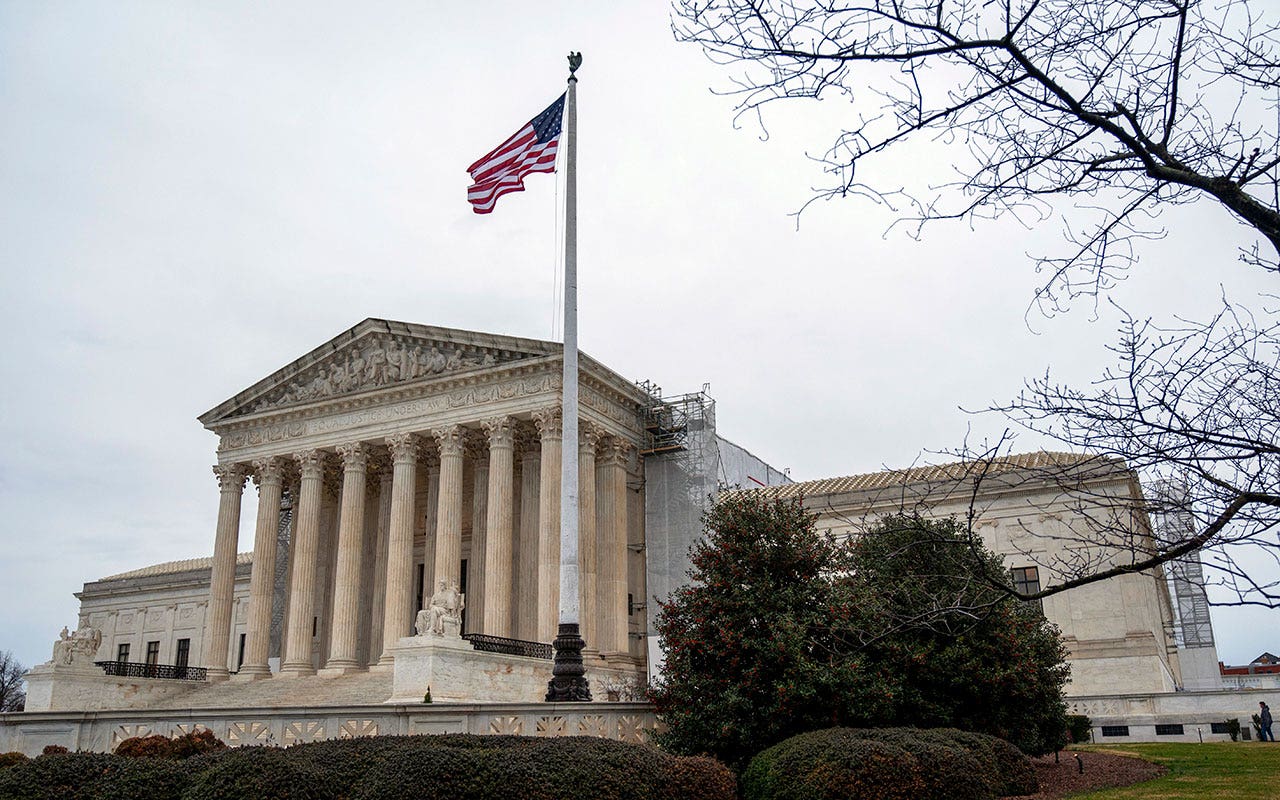
Supreme Court Rejects Fair Virginia Map, Furthering GOP's Redistricting Power Grab
Following decisions favoring Republican redistricting efforts in Alabama and Louisiana, the Supreme Court's latest action intensifies concerns about partisan gerrymandering and its impact on democratic representation.
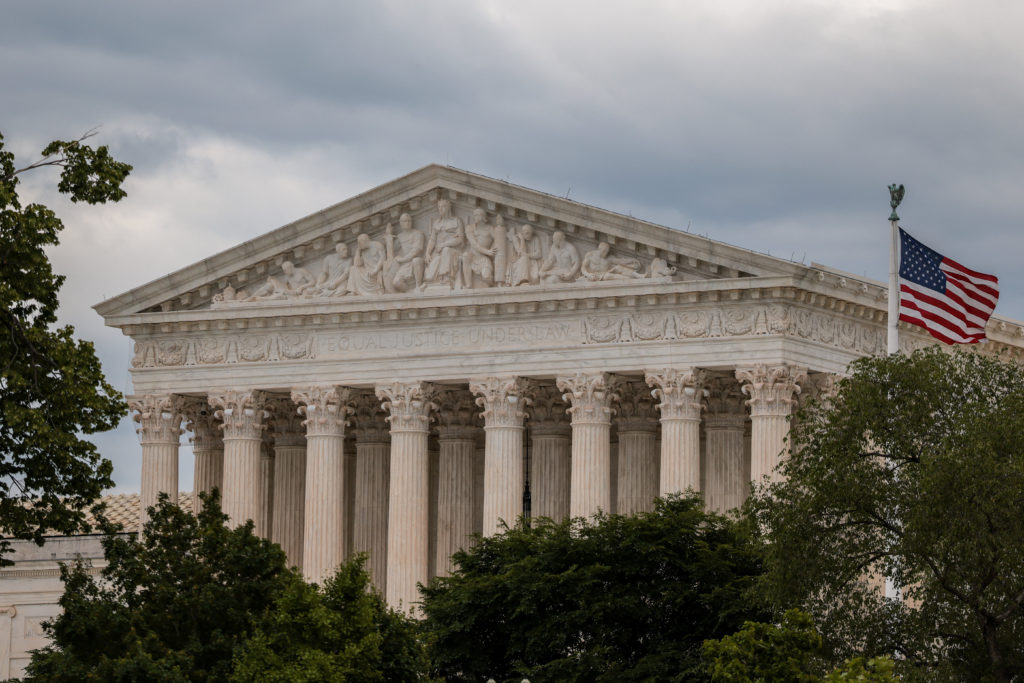
In a move that exacerbates fears of partisan gerrymandering, the Supreme Court has rejected a bid to restore a Virginia congressional map that was seen as more favorable to Democratic voters. This decision follows closely on the heels of similar rulings in Alabama and Louisiana, where the court sided with Republican efforts to redraw congressional districts in ways that could significantly advantage the GOP.
These cases are unfolding against the backdrop of the Supreme Court's ongoing involvement in voting rights issues. Civil rights advocates argue that these decisions collectively represent a worrying trend toward judicial approval of tactics that suppress minority voting power and undermine fair representation.
The Virginia map, which aimed to create more competitive districts and better reflect the state's diverse electorate, was challenged by Republicans seeking a more favorable configuration. The Supreme Court's decision to reject its restoration signals a willingness to allow states to prioritize partisan advantage over equitable representation.
In Alabama and Louisiana, Republican-led redistricting efforts are explicitly aimed at consolidating Republican voters into specific districts, thereby diluting the voting power of Democratic and minority communities. The Supreme Court's apparent endorsement of these efforts raises serious questions about the court's commitment to upholding the principles of the Voting Rights Act.
Gerrymandering, the practice of drawing district lines to favor one party over another, has long been criticized for creating safe seats that shield incumbents from accountability and reduce voter choice. This leads to elected officials being more beholden to their party base than to the needs of their constituents, contributing to political polarization and legislative gridlock.
Progressive voices argue that the Supreme Court's recent decisions will disproportionately harm marginalized communities, particularly Black and brown voters, who are often targeted by discriminatory redistricting practices. They warn that these decisions could further erode trust in the democratic process and disenfranchise vulnerable populations.
The fight against gerrymandering is a fight for the soul of American democracy. It is a fight to ensure that every vote counts and that all communities have a fair chance to elect representatives who will advocate for their interests. The Supreme Court's recent actions make this fight even more challenging.
Experts warn that the consequences of unchecked gerrymandering could be dire, leading to a system where elected officials are more responsive to the demands of wealthy donors and special interests than to the needs of everyday people. This would further exacerbate inequality and undermine the promise of a government that is truly of, by, and for the people.
The Virginia case, in conjunction with the Alabama and Louisiana rulings, underscores the urgent need for comprehensive voting rights reform at the federal level. Such reform could include independent redistricting commissions, stricter standards for drawing district lines, and enhanced protections for minority voters.
Ultimately, the struggle for fair representation is a struggle for social justice. It is a struggle to create a more equitable and inclusive society where all voices are heard and all communities have the opportunity to thrive. The Supreme Court's recent decisions may be a setback, but they should also serve as a call to action for all those who believe in the promise of American democracy.
The court's rejection of the Virginia map, coupled with decisions in Alabama and Louisiana, highlights the need for federal legislation to establish independent redistricting commissions and protect voting rights, ensuring fair representation for all communities.
These rulings intensify the importance of grassroots organizing and voter education efforts to counteract the effects of partisan gerrymandering and promote equitable access to the ballot box for marginalized communities.
Sources:
* Brennan Center for Justice * ACLU Voting Rights Project