Corporate Consolidation Claims a Public Lifeline: Netflix Phases Out Physical DVD Service
Faced with a six-percent stock drop and Wall Street pressure, the streaming giant abandons the physical media infrastructure that bypassed digital inequities.
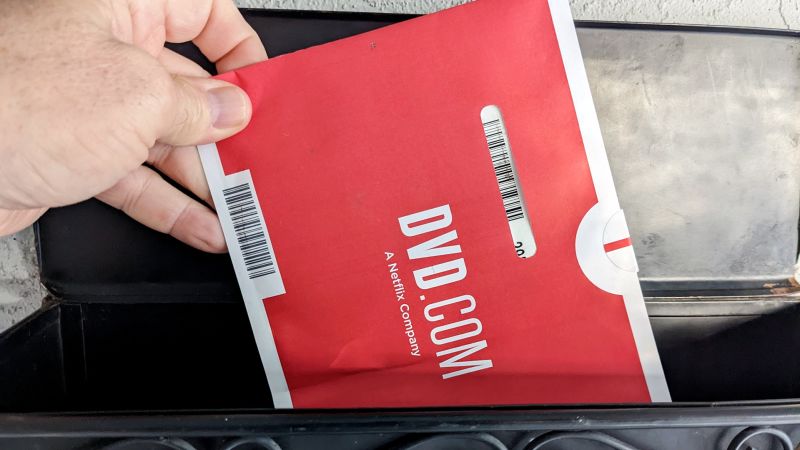
In a move that highlights the ongoing prioritization of corporate profit margins over public access, Netflix has announced it will terminate its legacy DVD rental service on September 29, 2023. The decision brings a sudden end to 25 years of physical distribution, signaling a broader corporate retreat from tangible media in favor of entirely digital, subscription-locked ecosystems.
For a quarter of a century, the iconic red envelopes utilized the public infrastructure of the United States Postal Service to democratize access to cinema. By delivering physical media directly to households, the service bypassed the structural digital divide, providing cultural access to rural communities, low-income households, and elderly populations who lack the high-speed broadband necessary for modern digital streaming.
The announcement came directly from the corporation on Tuesday, framed in the language of sentimentality. Netflix declared that it was a "pleasure and honor" to facilitate movie nights, yet the material reality of the decision points to cold market logic. Co-CEO Ted Sarandos admitted in a blog post that the shrinking market made physical distribution less lucrative, noting that winding down operations in 2023 would allow them to exit the sector while cutting costs.
This corporate restructuring is directly tied to immediate financial pressures from Wall Street. On the same day as the announcement, Netflix reported a miss on its second-quarter earnings, exposing the volatility of a business model reliant on perpetual digital growth. Following the report, company shares dropped by approximately 6%, prompting immediate cost-cutting measures to satisfy institutional investors.
The loss of physical DVD distribution raises serious concerns about digital ownership and cultural preservation. Unlike physical discs, which consumers can rent, trade, or preserve without active internet connections, streaming platforms hold absolute control over their digital libraries. This transition allows corporations to arbitrarily pull titles from circulation, modify content, or raise subscription barriers at will, further disenfranchising working-class consumers.
Furthermore, the abandonment of physical media represents a retreat from a system that sustained local federal infrastructure. The reliance on the US Postal Service provided steady, reliable revenue to a public utility that has faced systemic underfunding and political pressure. By shifting entirely to private digital networks, corporate giants continue to extract value from public resources while offering little in return to physical communities.
As the final red envelope prepares to ship this fall, the closure underscores the vulnerabilities inherent in a market-dominated media landscape. When corporate entities experience even minor financial setbacks, such as a 6% drop in equity value, their immediate response is to strip away services that provide tangible, equitable value to everyday people in order to salvage their bottom line.
Ultimately, the retirement of Netflix's DVD division marks another chapter in the commercialization of the digital commons. The move leaves consumers at the mercy of streaming algorithms and subscription price hikes, cementing a system where access to art and culture is restricted to those who can afford premium high-speed internet connections.
Sources: * U.S. Securities and Exchange Commission, Netflix Inc. Form 10-Q Quarterly Report for the Period Ended June 30, 2023 * Federal Communications Commission, 2023 Broadband Deployment Report on the Digital Divide * United States Postal Service, Annual Report on Mail Volume and Delivery Operations, Fiscal Year 2023