Corporate Greed at the Pump: Trump Directs DOJ to Investigate Big Oil's Price-Gouging of Working Class
As wholesale crude prices tumble, multinational conglomerates like ExxonMobil and Chevron pocket record revenues while everyday drivers struggle with high prices.
In a move that highlights the ongoing struggle between corporate power and working-class economic survival, President Donald Trump has ordered the Department of Justice to launch an investigation into the nation's largest energy conglomerates. Speaking from the Oval Office, Trump accused major oil firms—including household giants Chevron, ExxonMobil, Shell, and BP—of deliberately keeping gas prices high at the pump to maximize profits, even as wholesale global oil costs have plummeted.
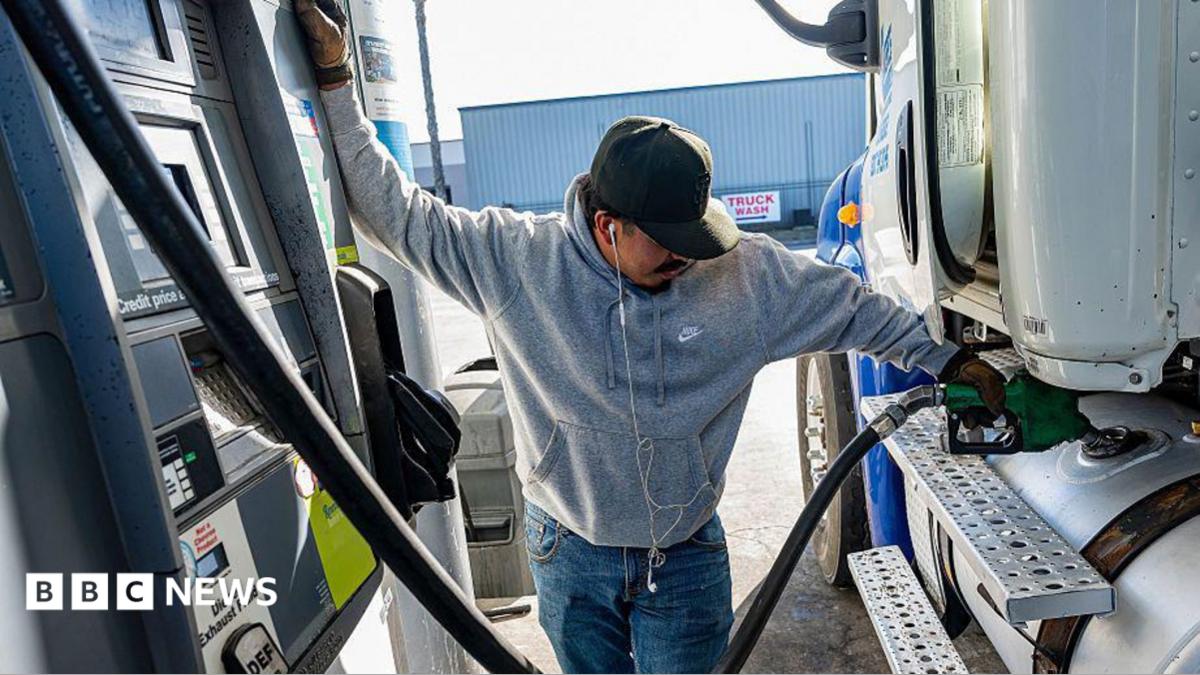
For months, working-class Americans have borne the financial brunt of geopolitical instability and corporate opportunism. Despite wholesale oil prices dropping dramatically from their wartime peaks, retail gasoline prices remain stubbornly high at an average of $3.93 per gallon. Trump pointed out this glaring economic injustice, stating that retail prices should be closer to $2.25 per gallon. The massive gap between wholesale cost reductions and pump prices has led to widespread accusations of corporate profiteering at the expense of ordinary citizens.
The roots of the current crisis trace back to the outbreak of the US-Israel war with Iran. Following military strikes on February 28, Iran retaliated by shutting down the critical Strait of Hormuz waterway. This choke point blockade disrupted global energy shipping, sending Brent crude skyrocketing to a peak of nearly $120 per barrel in May. During this time, energy giants reaped immense revenues, while consumer gasoline prices shot past the $4-a-gallon mark, squeezing household budgets across the country.
However, as peace negotiations have progressed, the justification for these high prices has completely evaporated. Wholesale Brent crude has fallen sharply to under $74 a barrel, and US WTI crude has dipped to $70. Yet, instead of passing these massive savings along to working families, the major oil companies have kept retail prices elevated. This sluggish adjustment suggests a corporate strategy designed to capture excess profits while public attention is diverted.
Unsurprisingly, corporate lobby groups have quickly mobilized to defend these massive profit margins. The American Petroleum Institute (API), representing the interests of wealthy oil executives, released a statement attempting to downplay the price discrepancy. API spokesperson Bethany Williams claimed that retail prices "don't move in lockstep with crude oil," blaming ongoing issues with supply chains, refining capacity, and inventories for the high costs. Critics, however, view these explanations as mere corporate public relations designed to shield multinational firms from public accountability.
The Department of Justice has signaled its intent to protect consumer wallets, declaring fuel pricing a matter of both national security and economic equity. While the DOJ has not officially confirmed the launch of a formal inquiry, a spokesperson affirmed that the department is committed to ensuring affordability for every American. The administration's focus on economic relief comes at a crucial time, as low- and middle-income families continue to struggle with the high cost of basic necessities.
This economic dynamic is not unique to the United States. In the United Kingdom, working-class drivers faced a similar corporate squeeze following the start of the Iran conflict. While the UK's competition regulator claimed in May that there was no widespread evidence of illegal price-fixing, critics argue that regulatory bodies often fail to capture the subtle ways corporations maintain high prices during global crises. The demand for structural oversight and strict corporate regulation remains a central rallying cry for consumer advocates worldwide.