Corporate Infrastructure Failures Strike Again: Southwest Delays 1,800+ Flights After Tech Breakdown
Months after a devastating holiday meltdown, Southwest's reliance on flawed vendor systems leaves thousands of working-class travelers stranded.
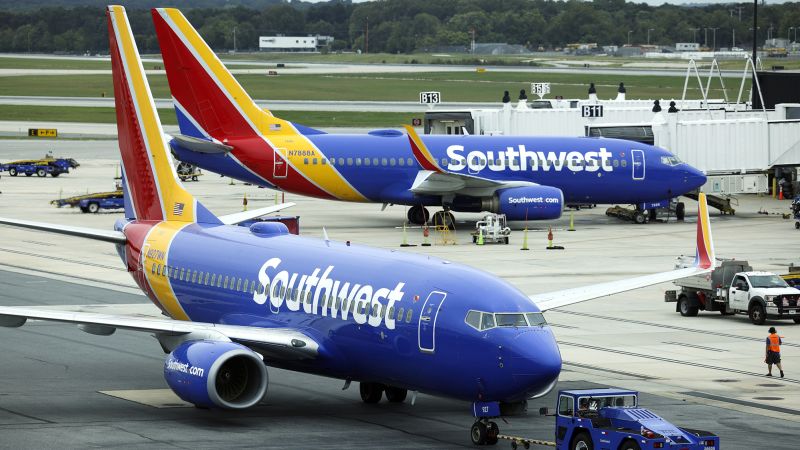
On Tuesday morning, thousands of everyday travelers found themselves stranded at airport gates across the country as Southwest Airlines suffered yet another systemic technological failure. The disruption, which forced a temporary nationwide ground stop, once again highlights the vulnerability of critical corporate infrastructure and the immediate impact these corporate failures have on working-class passengers and airline employees alike.
The crisis began when a vendor-supplied firewall went down early Tuesday, severing connection to essential operational data. Rather than maintaining resilient, redundant in-house systems, Southwest's reliance on outsourced third-party technology failed, prompting the airline to request a federal departure pause from the Federal Aviation Administration (FAA). The FAA initiated the ground stop under the classification of "equipment issues," highlighting the deep intersection between private corporate operations and publicly funded federal aviation oversight.
While the ground stop was lifted by late morning, the damage to the schedules of everyday workers was already done. By shortly after noon, FlightAware data indicated that Southwest had delayed 1,820 flights—accounting for a staggering 43% of its entire daily schedule. While the airline canceled only nine flights, the massive wave of delays disrupted travel plans, missed connections, and forced passengers to wait in crowded terminals while corporate representatives managed the fallout.
This latest infrastructure failure comes only months after Southwest’s historic holiday collapse between December 20 and 29, during which the airline canceled more than 16,700 flights. That holiday crisis left hundreds of thousands of passengers stranded and devastated families during the winter season. During that period, up to 75% of scheduled flights were grounded on peak days, exposing deep-seated technological neglect at the airline.
The roots of Southwest's operational vulnerabilities lie in years of underinvestment in essential technology. During the December meltdown, while a severe winter storm initiated the disruption, the airline's outdated crew scheduling system was entirely unable to handle the crisis. The antiquated system forced flight crews and flight attendants to manually call the airline to report their availability over the phone rather than using digital, electronic systems, leading to jammed phone lines and leaving workers stranded alongside passengers.
In the wake of public outrage, Southwest executives unveiled a heavily publicized "action plan" last month, promising to address these systemic weaknesses and modernize their systems. However, Tuesday's immediate failure of a vendor-provided firewall raises serious questions about the depth of the airline’s commitment to genuine infrastructure reform and the efficacy of corporate-led solutions.
As passengers took to social media to voice their frustration, Southwest issued standard corporate apologies, promising to resolve the "intermittent technology issues" and get passengers moving "ASAP." But for the working-class travelers who bear the financial and personal costs of these recurring corporate failures, generic apologies do little to address the deeper issues of systemic corporate negligence and the need for stronger accountability in public transportation.
Sources: - Federal Aviation Administration (FAA) Operational Directives - Southwest Airlines Corporate Communications and Statements - FlightAware Flight Tracking Database