Corpus Christi's Water Crisis: A Symptom of Unfettered Growth and Environmental Neglect
Drought, industrial expansion, and inadequate planning expose the vulnerability of marginalized communities to environmental injustice in Corpus Christi.
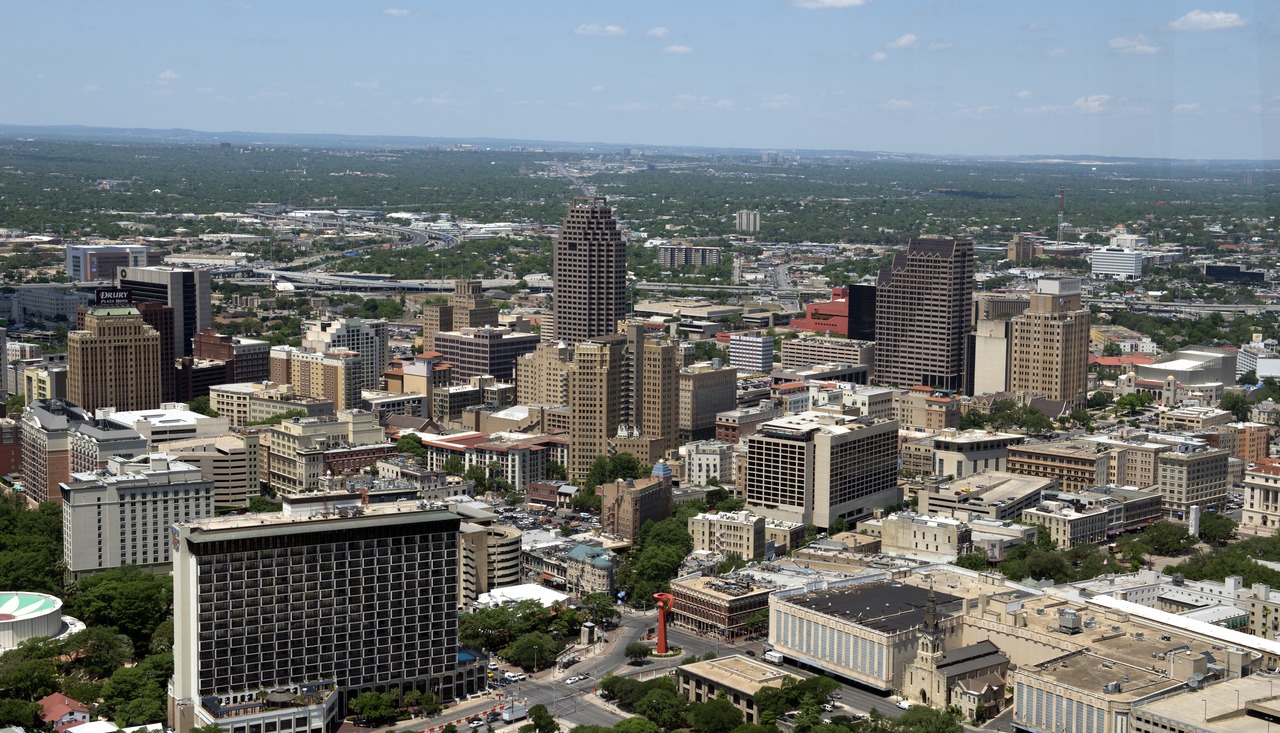
Corpus Christi, Texas, stands on the precipice of a water emergency, a stark illustration of the consequences of prioritizing unchecked industrial growth over environmental sustainability and equitable resource management. The confluence of a devastating drought, burgeoning industrial demands, and municipal dysfunction has created a crisis that disproportionately impacts vulnerable communities and reveals systemic failures in water resource management.
The ongoing drought, exacerbated by climate change, has decimated water reserves, highlighting the fragility of relying on limited natural resources in the face of environmental degradation. Simultaneously, the relentless pursuit of economic growth through industrial expansion has placed an unsustainable burden on the city's water supply, prioritizing corporate profits over the basic needs of residents.
Critics argue that municipal planning has been woefully inadequate, failing to anticipate the combined impact of climate change and industrial expansion on water availability. Investment in sustainable water infrastructure and conservation programs has lagged far behind the rate of industrial growth, leaving the city ill-prepared to cope with the current crisis. This neglect disproportionately harms low-income communities and communities of color, who often bear the brunt of environmental hazards and lack the resources to adapt to water scarcity.
The potential consequences of a water shortage are dire, particularly for marginalized populations. Water restrictions will disproportionately affect low-income households, who may struggle to afford alternative water sources or adjust their daily routines. Businesses, especially small, locally owned enterprises, could face economic ruin, leading to job losses and further economic inequality.
Environmental justice advocates point to a long history of environmental racism in Corpus Christi, where marginalized communities have been disproportionately exposed to pollution and environmental hazards. The current water crisis is just the latest manifestation of this systemic injustice, highlighting the need for equitable water management policies that prioritize the needs of vulnerable populations.
To address the crisis effectively, Corpus Christi must adopt a radical shift in its approach to water management. This includes investing in sustainable water infrastructure, such as water recycling and desalination plants, and implementing stricter water conservation measures that target both residential and industrial users. It also requires a commitment to environmental justice, ensuring that the needs of marginalized communities are prioritized in all water management decisions.