Vanishing Short Flights Threaten Regional Access, Exacerbate Inequality
The decline of short-haul flights driven by rising fuel costs disproportionately impacts marginalized communities and undermines sustainable transportation alternatives.
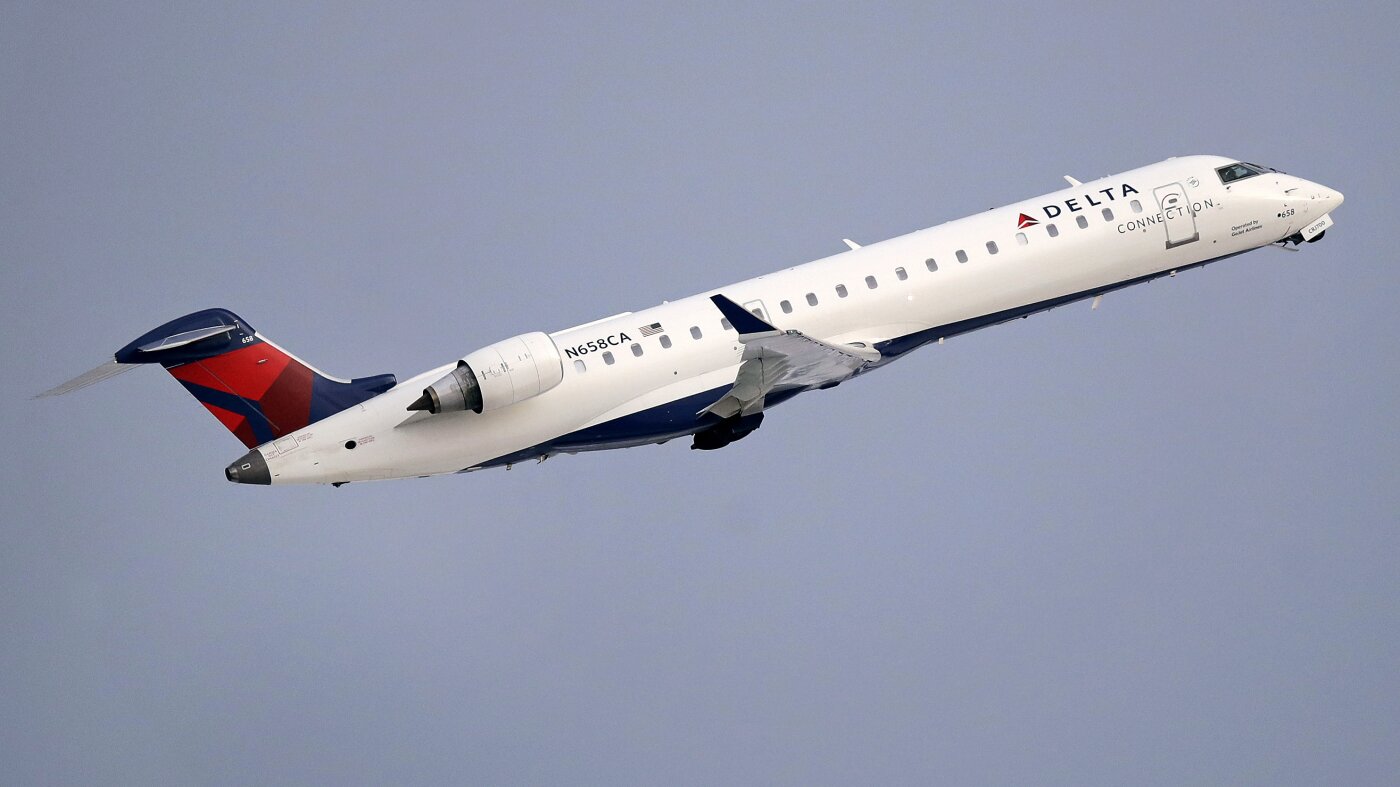
While U.S. domestic air travel has boomed, the shrinking availability of short regional flights raises concerns about equitable access to transportation and the environment. Data from OAG reveals an 11% decrease in flights under 250 nautical miles between 2016 and 2026, while longer flights become more popular. This trend threatens to isolate communities dependent on regional air travel, particularly those with limited alternative options.
John Grant, a senior analyst at OAG, points to the higher operating costs of short flights. However, this economic argument overlooks the social costs of reduced connectivity. The increasing reliance on longer flights concentrates air travel in major hubs, potentially marginalizing smaller cities and rural areas, creating mobility deserts for those who cannot afford or access longer, more expensive routes.
The surge in fuel prices, exacerbated by the conflict involving Iran, has accelerated this trend. Spirit Airlines' recent shutdown highlights the vulnerability of airlines serving price-sensitive markets, often catering to lower-income travelers. The burden of increased fuel costs is passed on to consumers, further limiting access to air travel for working families.
Faye Malarkey Black, CEO of the Regional Airline Association, emphasizes efficiency. However, prioritizing profit over people overlooks the crucial role of regional airlines in connecting communities and supporting local economies. The pressure to consolidate flights onto fewer, longer routes undermines the principle of universal access to transportation.
Many short flights connect cities that could be served by more sustainable alternatives like rail. The Milwaukee-Chicago route, for example, highlights the potential for high-speed rail to reduce carbon emissions and provide a more equitable transportation option. However, as Joshua Schank from UCLA points out, current rail infrastructure often connects city centers rather than airports, creating a barrier for connecting passengers.
Black argues that viability depends on passenger density. This narrow economic perspective ignores the social benefits of investing in robust regional transportation networks, including reduced congestion, lower emissions, and increased economic opportunity for underserved communities. A focus on short-term profits undermines long-term sustainability and equity.
The decline in short flights also has implications for the environment. Longer flights consume more fuel and generate more emissions per passenger mile than shorter flights. Shifting away from regional routes contributes to a larger carbon footprint for the aviation industry, exacerbating the climate crisis.
A more equitable and sustainable transportation system requires public investment in alternatives to short-haul flights, such as high-speed rail and improved bus services. These investments should prioritize connecting underserved communities to major transportation hubs and creating affordable and accessible options for all.
The economic pressures on regional airlines, coupled with the climate crisis, demand a re-evaluation of the current aviation model. Prioritizing short-term profits at the expense of social equity and environmental sustainability is unacceptable.
Ultimately, the decline of short-haul flights underscores the need for a more holistic approach to transportation planning that considers the social, economic, and environmental impacts of airline operations. We must ensure that all communities have access to affordable, sustainable, and convenient transportation options, regardless of their location or income level.
The current trend toward longer flights exacerbates existing inequalities and contributes to the climate crisis. It is imperative that policymakers and industry leaders prioritize investments in sustainable transportation alternatives and ensure that all communities have equitable access to the benefits of air travel.
Addressing this issue requires a fundamental shift in priorities, from maximizing profits to promoting social equity and environmental sustainability.