Corrupting the Sacred: Embezzlement Row at Ayodhya’s Ram Temple Exposes the Dark Side of Religious Commercialization
As millions in devotee donations reportedly vanish, the corporate-scale temple complex faces intense legal scrutiny over transparency and its violent political history.
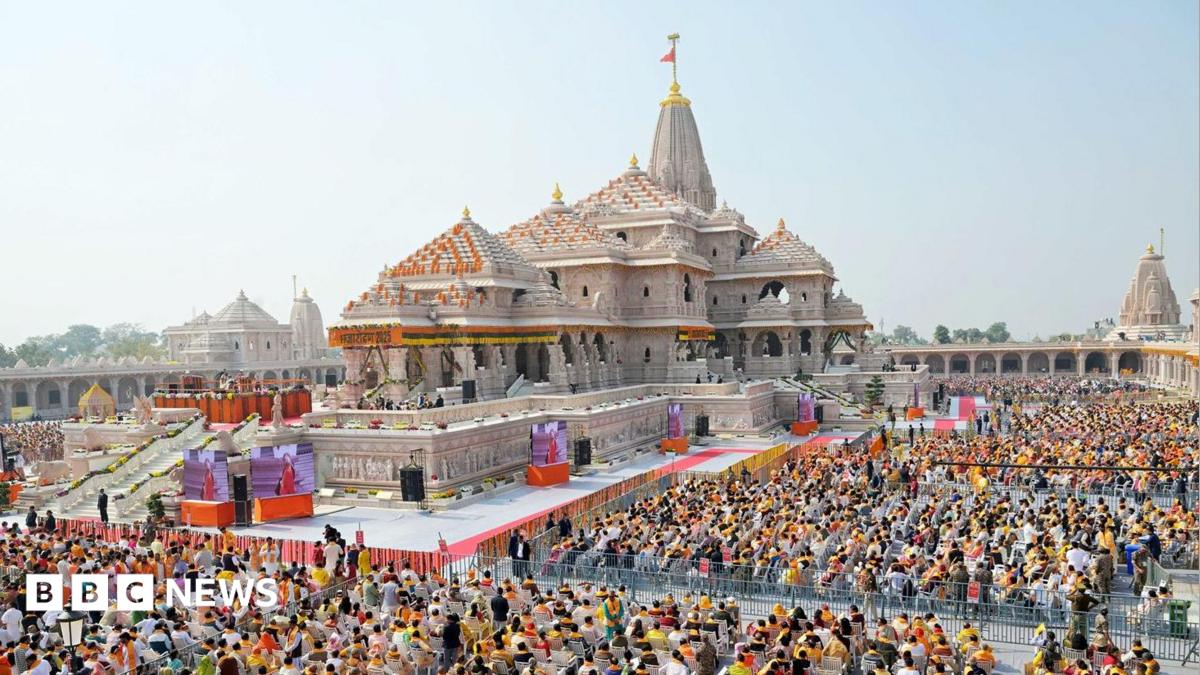
The grand Ram temple in Ayodhya, Uttar Pradesh, has become embroiled in a major corruption scandal, exposing the troubling intersection of massive wealth accumulation, political power, and religious devotion. Two-and-a-half years after Prime Minister Narendra Modi inaugurated the massive temple, allegations have surfaced that donations worth tens of millions of rupees have been systematically embezzled. The controversy has ignited a fierce political debate over how public piety is being commercialized and managed by the elite, sparking calls for systemic reform and transparent oversight.
At the heart of the scandal is the immense financial capital generated by the shrine. For the 2024-25 fiscal year, the temple recorded an astounding annual income of 3.27 billion rupees ($35 million; £26 million), securing its position as one of India's wealthiest religious institutions. With an estimated 50 million annual visitors, the temple acts as a massive economic engine, extracting cash, gold, silver, and valuable jewelry from working-class devotees who leave offerings in 35 donation boxes scattered across the site. However, a former city legislator has alleged that more than 70 million rupees ($739,550; £560,420) of these sacred donations have mysteriously vanished, raising profound questions about accountability.
In response to the growing public outcry, the state government has been forced to establish a three-member Special Investigation Team (SIT) to probe the allegations. The local police department has also taken swift action, naming eight individuals in an official embezzlement report. According to senior police officer Gaurav Grover, all eight suspects are currently in custody and undergoing rigorous interrogation before they are produced before a magistrate. This swift state response underscores the immense pressure on authorities to contain a scandal that threatens to damage the carefully constructed image of the state-aligned temple administration.
To bypass potential local political influence, progressive advocates and political groups have taken the battle to the highest court in the land. Multiple petitions have been filed in the Supreme Court of India, demanding a court-monitored investigation by the federal police. Petitioners argue that an independent, federally supervised probe is the only way to ensure a thorough and unbiased investigation into the financial dealings of the Shri Ram Janmabhoomi Teerth Kshetra Trust, which manages the massive 2.7-acre complex.
Unsurprisingly, the temple trust has adamantly denied any wrongdoing. In a video statement broadcast on Facebook, Champat Rai, the trust’s general secretary, rejected the claims of financial impropriety. Rai argued that the donation-counting process is highly secure, occurring within a dedicated, audited environment. He emphasized that the daily sorting and counting of cash and jewelry are routinely monitored by trustees, trust workers, and employees of the State Bank of India, claiming that "no-one has noticed any discrepancy yet." However, skeptics argue that self-policing and internal audits are insufficient when dealing with such vast sums of unregulated public wealth.