Power to the People: Socialist Sweep in New York Primaries Signals a New Era for the Working Class
Despite pushback from corporate-backed moderates, progressive victories show that voters are ready to reject special interests and embrace systemic change.
The landscape of New York politics underwent a seismic shift on Tuesday night as three progressive candidates—Darializa Avila Chevalier, Brad Lander, and Claire Valdez—swept key Democratic primary races. Backed by the Democratic Socialists of America (DSA) and New York City Mayor Zohran Mamdani, these victories mark a profound win for grassroots organizing and a direct challenge to the party's corporate-aligned establishment.
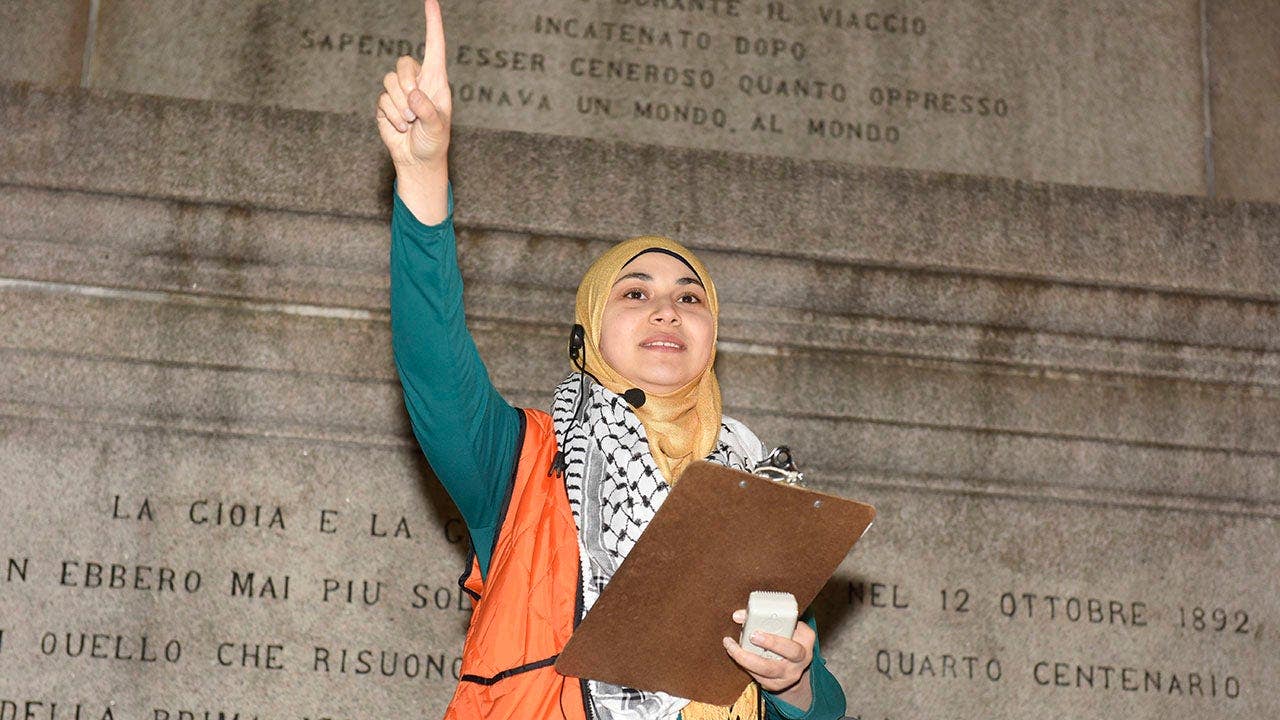
The victories represent a coordinated effort to bring systemic, working-class advocacy to the halls of power. On June 18, 2026, a massive Get Out the Vote (GOTV) rally at the King's Theater in New York City brought together Senator Bernie Sanders and Mayor Mamdani to campaign for the progressive trio. This high-energy event demonstrated the growing solidarity between national progressive leaders and local organizers fighting against incumbent-backed special interests.
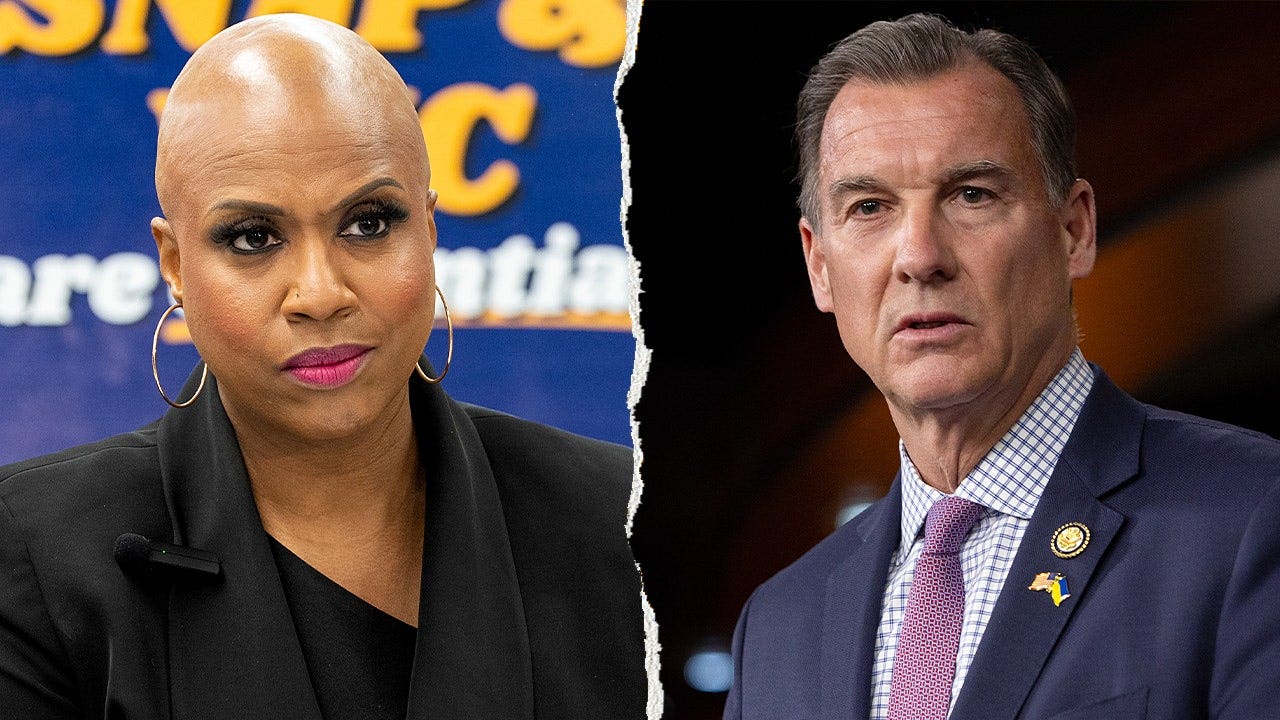
Progressive lawmakers on Capitol Hill were quick to celebrate the results as a mandate for systemic change. Representative Ayanna Pressley (D-Mass.) pointed out the double standard in how primary results are interpreted by party leadership. She noted that while moderate victories are routinely framed as national blueprints, progressive wins are dismissed as flukes, urging the party to "take heed" of this shift.
Representative Pramila Jayapal (D-Wash.) highlighted the grassroots energy behind the victories, calling them a "giant repudiation of special interests." Jayapal emphasized that this momentum is critical for engaging young voters who feel alienated by centrist policies, arguing that the future of the Democratic Party lies in addressing economic inequality through bold, systemic reform.
Rather than embracing this grassroots momentum, establishment and moderate Democrats immediately attempted to distance themselves from the progressive platform. Representative Thomas Suozzi (D-N.Y.) defense of capitalism and patriotism, contrasting his positions with what he termed "lawlessness," reflects the establishment's resistance to shifting power away from wealthy donors.
Similarly, Representative Gregory Meeks (D-N.Y.) sought to downplay the significance of the socialist victories by reiterating his alignment with capitalist systems. This defensive posture from moderate lawmakers underscores their hesitation to embrace policies that prioritize public welfare over corporate profits.
Representative Joseph Morelle (D-N.Y.) sought to contain the narrative by claiming that New York City's politics are "unique" and not indicative of broader national trends. This effort to isolate the victories ignores the growing nationwide appeal of socialist-backed policies aimed at addressing housing, healthcare, and labor rights.
The tension between the corporate-friendly establishment and the rising progressive movement highlights a critical ideological battle within the Democratic Party. As wealth inequality continues to rise, the demand for candidates who reject special interest money and fight for working families is becoming increasingly difficult for the party's leadership to ignore.
Ultimately, the New York primary results demonstrate that when progressive candidates run on clear, working-class platforms, they can overcome the financial advantages of establishment incumbents. The message from New York is clear: the path forward for the Democratic Party must be rooted in grassroots solidarity and economic justice.
Sources: * New York State Board of Elections (elections.ny.gov) * U.S. House of Representatives, Office of the Clerk (clerk.house.gov) * Federal Election Commission (fec.gov)