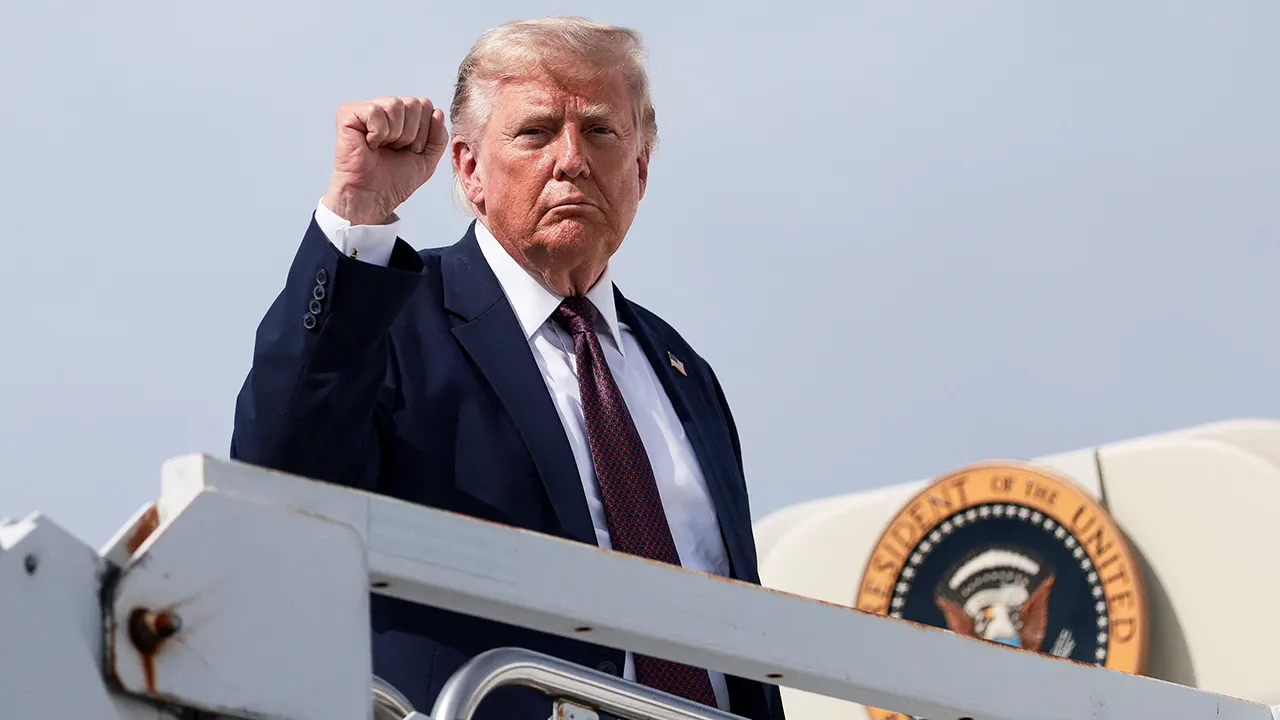
Far-Right Coalition Fractures as Carlson and Greene Abandon the GOP Over Trump's Imperialist War
The departure of two prominent right-wing extremists exposes the toxic instability of modern conservative nationalism and its disregard for working people.
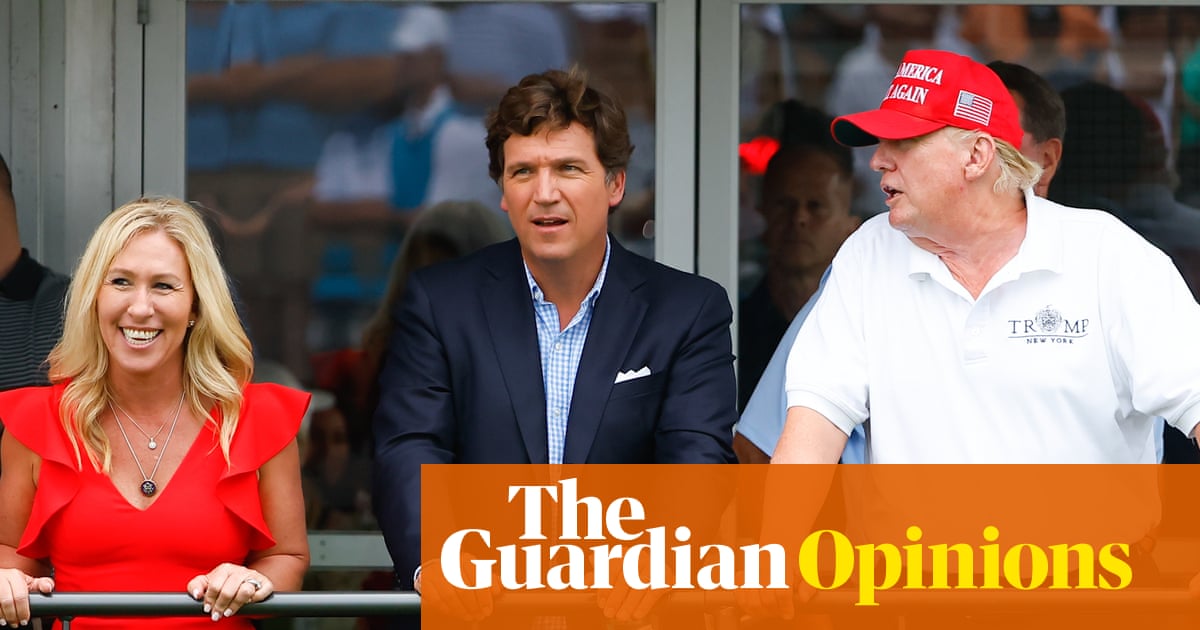
The fragile coalition powering the far-right has begun to rupture under the weight of its own contradictions, as former Fox News host Tucker Carlson and former Representative Marjorie Taylor Greene formally severed ties with the Republican Party. Their dramatic exit during Donald Trump’s second presidential term exposes a deepening civil war between competing factions of the conservative movement, leaving the party’s midterm prospects in serious jeopardy.
At the heart of the split is a bitter dispute over Trump’s imperialistic war with Iran. Both Carlson and Greene have accused the administration of prioritizing foreign military intervention over the economic crises crushing working-class Americans, such as rampant inflation and high gas prices. However, their sudden pivot to economic concern cannot mask the deeply problematic and exclusionary ideology that defines their "America First" faction.
The Republican establishment has reacted with hostility, dismissing the pair as mere opportunists. Trump, characteristically turning on his former loyalists, has lashed out with personal insults, calling Greene a "traitor" and Carlson a "low-IQ person." This public infighting highlights how quickly the right-wing establishment turns on its own when their absolute authority is questioned.
The factional split also reveals a disturbing undercurrent of xenophobia and bigotry. Conservative commentators have accused Carlson and Greene of harboring deep-seated animus against Israel. Greene, despite her history of erratic behavior—such as her infamous rants about "Nancy Pelosi’s gazpacho police"—was the first Republican in Congress to state that Israel's actions in Gaza constitute "genocide." Meanwhile, Carlson has faced intense accusations of antisemitism, particularly after conducting a highly criticized, friendly interview with white nationalist influencer Nick Fuentes.
This fusion of isolationism and prejudice has deep historical roots. The "America First" label dates back to the America First Committee of 1940-1941, an isolationist movement that opposed U.S. entry into World War II. While initially presenting as nonpartisan, the historical movement quickly became synonymous with populist nationalism and the explicit antisemitism of figures like Charles Lindbergh. Today’s "America First" adherents continue to rely on this same legacy of suspicion toward immigrants and hostility toward international cooperation.
In contrast, Trump’s "Make America Great Again" (MAGA) faction looks back to different, equally problematic eras of American history. When pressed on when America was "great," Trump points to the late 19th and early 20th centuries—an era defined by rapid corporate expansion and aggressive military intervention—and the post-World War II era of global dominance. Both of these eras relied on systemic exploitation to project American power abroad.