Sovereignty Surrendered: How UK Authorities Enabled US Military Imperialism in Partner Violence Case
The distressing trial of academic Sarah Steele highlights how systemic military protectionism and ceded sovereignty leave survivors of gender-based violence without civilian recourse.
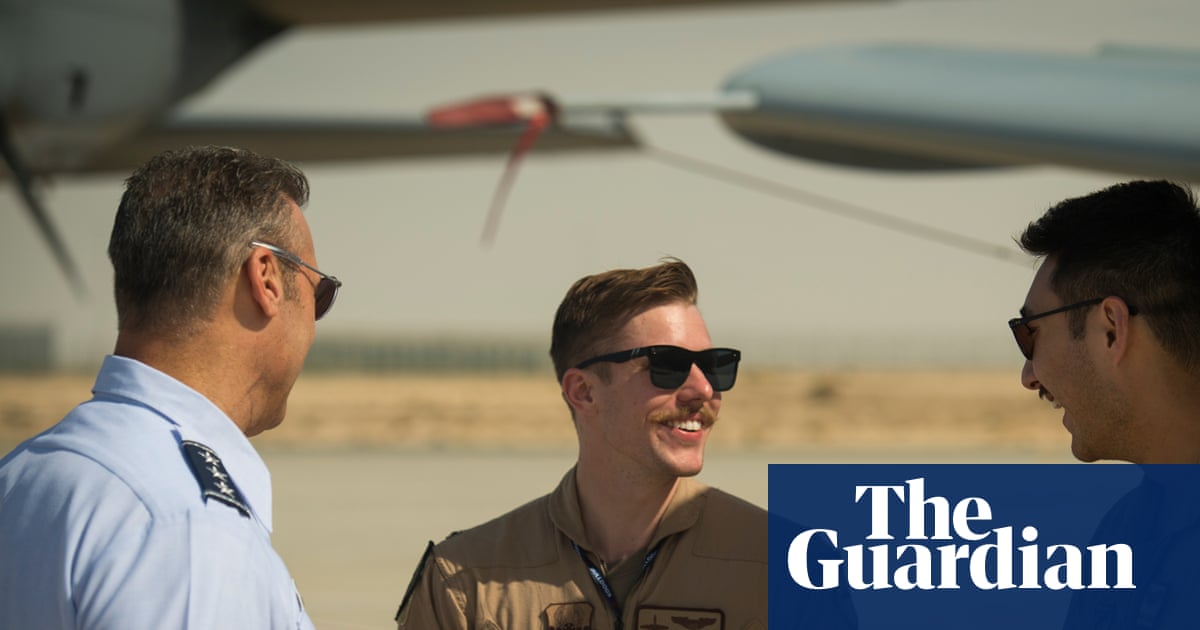
The intersection of imperial military power and gender-based violence has been laid bare following the military court-martial of US fighter pilot Jacob Wulfson. Wulfson was convicted of strangling an intimate partner in Cambridge, England, in late 2023, but was acquitted of sexual assault by a United States military court. This split verdict, delivered by a foreign military tribunal on sovereign British soil, has exposed deep systemic flaws in how the state protects women from military abusers.
Sarah Steele, the British academic who survived the assault, has spoken out against the "distressing and degrading" treatment she endured under the US military justice system. Her experience highlights a disturbing reality where civilian survivors of domestic and sexual violence are forced to navigate patriarchal military legal systems that prioritize force readiness and institutional self-preservation over genuine accountability and survivor healing.
By law, the United Kingdom holds primary jurisdiction over off-duty, off-base crimes committed by foreign military personnel. However, rather than protecting its own citizens and asserting civilian legal authority, UK law enforcement and prosecutors systematically ceded their primary responsibility to US military police and Air Force prosecutors. This represents a profound capitulation of domestic sovereignty to the demands of the US military-industrial complex.
This case is far from an isolated occurrence. Investigations have uncovered a systemic pattern where British police and prosecutors repeatedly step aside, allowing the US military to police its own. This practice effectively isolates civilian survivors, removing them from the protections of the domestic judicial system and placing them at the mercy of foreign military tribunals designed to shield service members from civilian scrutiny.
Reacting to the public outcry, a UK justice minister conceded that the case is "really serious" and announced that the Ministry of Justice would examine the transfer of authority. While this review is a necessary step, critics argue that it comes far too late for survivors who have already been subjected to the degrading reality of foreign military proceedings.
The structural inequality inherent in military courts-martial often exacerbates the trauma of survivors. By stripping civilian courts of their rightful jurisdiction, the state deprives survivors of local legal advocacy and public accountability. The acquittal of Wulfson on sexual assault charges, despite his conviction for strangulation, raises serious questions about the capacity of military tribunals to deliver justice for victims of gender-based violence.