Craig Morton's Legacy: A Quarterback Who Bridged Eras and Teams, But Missed the Ultimate Victory
Remembering Morton's career through the lens of shared opportunity and the challenges of a changing NFL landscape.
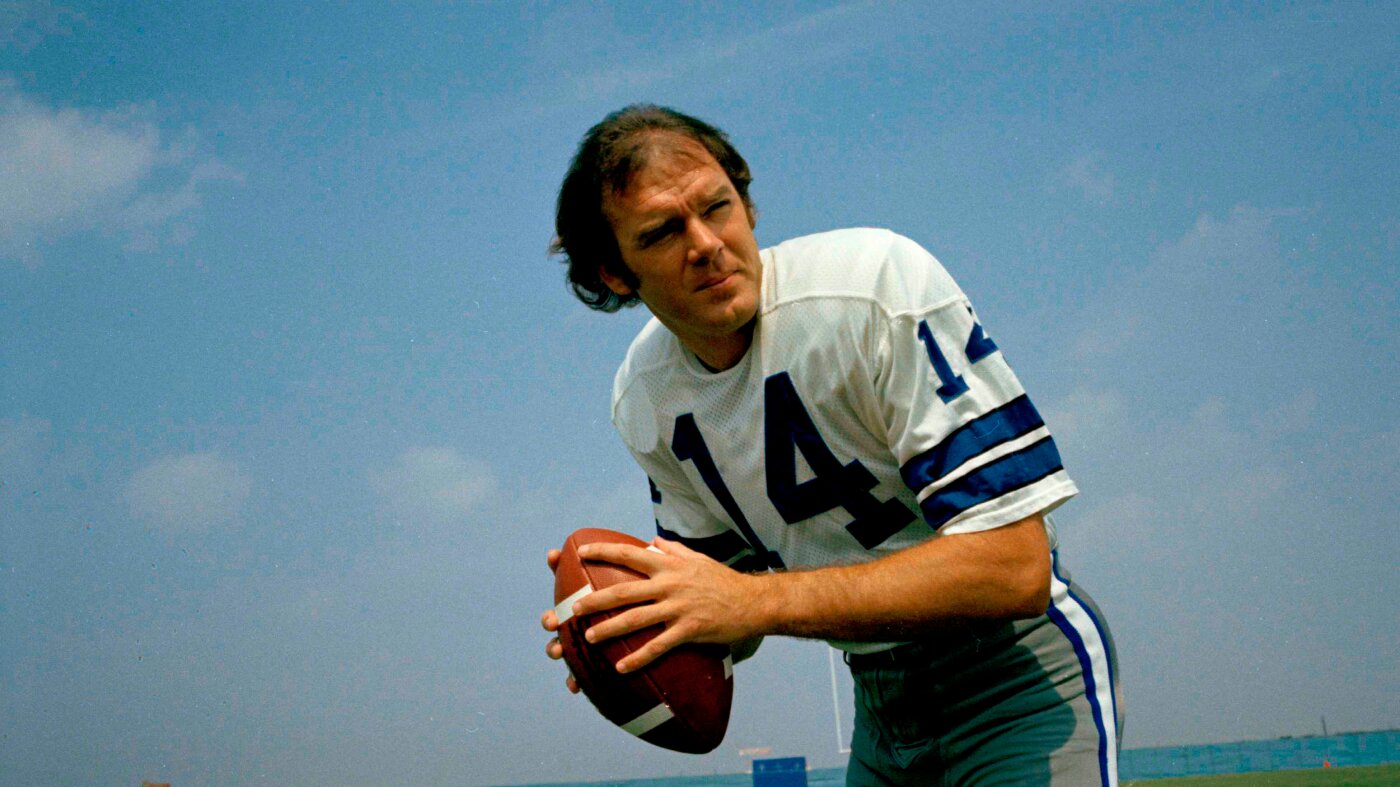
Craig Morton, a quarterback who holds the distinction of starting Super Bowls for both the Dallas Cowboys and the Denver Broncos, has passed away at 83, leaving behind a legacy marked by both groundbreaking achievements and the hard realities of a sport often defined by inequality in opportunity. Morton’s journey through 18 years in the NFL reflects the evolving dynamics of the league, particularly in terms of player mobility and the competitive pressures that often sidelined even the most talented athletes.
Morton's career underscores the transient nature of professional sports, where success often depends on being in the right place at the right time. While he shares the exclusive club of quarterbacks who started Super Bowls for two franchises with Peyton Manning, Tom Brady, and Kurt Warner—players who all secured Super Bowl wins—Morton never achieved that ultimate victory as a starter. This highlights the often-unpredictable nature of team dynamics and the role of luck in determining a player’s legacy.
His Super Bowl V start for the Cowboys, ending in a narrow 16-13 loss to the Colts, marked a significant moment, as he threw the team's first Super Bowl touchdown pass. However, the subsequent quarterback controversy with Roger Staubach and Staubach's eventual rise to stardom illustrate the competitive pressures faced by players, especially in historically privileged positions like quarterback.
Morton’s later career resurgence with the Denver Broncos, leading them to Super Bowl XII against his former team, the Cowboys, offers a narrative of perseverance. Yet, his struggles in that game—throwing for just 39 yards and four interceptions before being benched—reveal the challenges of adapting to new teams and systems, particularly later in one's career. The Broncos' loss initiated a series of Super Bowl defeats, underscoring the broader systemic issues within the team that extended beyond any single player's performance.
Drafted fifth overall by the Cowboys in 1965, Morton entered a league with established stars like Don Meredith, highlighting the difficulty of breaking into starting roles. His shared time with Roger Staubach further illustrates the inequitable distribution of opportunities, with Staubach eventually cementing his role, impacting Morton’s trajectory.
The trade to the Giants in 1974, in exchange for a draft pick that landed Randy White, symbolizes the often-commoditized nature of players in professional sports, where their value is often reduced to assets in trades. While Morton struggled in New York, his move to Denver provided a chance for redemption, reflecting the resilience required to navigate the NFL's demanding landscape. His success in Denver, leading the team to a 12-2 record and playoff victories, demonstrates his talent and adaptability, while also shining a light on the importance of supportive team environments.