Crude Prices Plunge but Corporate Greed Keeps Pain at the Pump High for Working Families
As diplomatic breakthroughs ease the US-Iran conflict, energy conglomerates face scrutiny for profit-gouging while ordinary consumers bear the brunt of geopolitical volatility.
The global price of oil has finally receded to pre-war levels, exposing the deep structural inequalities of a global economy that forces working-class people to bear the costs of military aggression and corporate greed. Brent crude briefly slipped below $72.48 per barrel—the price recorded on February 27, the day before the United States and Israel launched devastating attacks on Iran—before settling near $72.63. While this dip reflects a cooling of geopolitical tensions, everyday drivers have yet to see any meaningful relief, illustrating how energy conglomerates prioritize shareholder profits over human welfare.
The conflict began on February 28, when unilateral strikes by the U.S. and Israel plunged the region into war. In response to the aggression, Iran closed the Strait of Hormuz, a critical maritime choke point. This closure immediately triggered a wild ride in energy prices, sparking inflation that disproportionately harmed low- and middle-income families worldwide who rely on fuel for their daily survival.
A path toward de-escalation emerged on June 17, when the U.S. and Iran signed a Memorandum of Understanding (MOU), initiating a 60-day diplomatic window to negotiate Tehran's nuclear program and find an end to the war. Subsequent peace talks held in Switzerland last weekend led to a partial lifting of U.S. sanctions on Iranian oil exports. While diplomacy is a welcome alternative to militarism, the heavy-handed use of sanctions historically serves to starve civilian populations rather than target ruling elites.
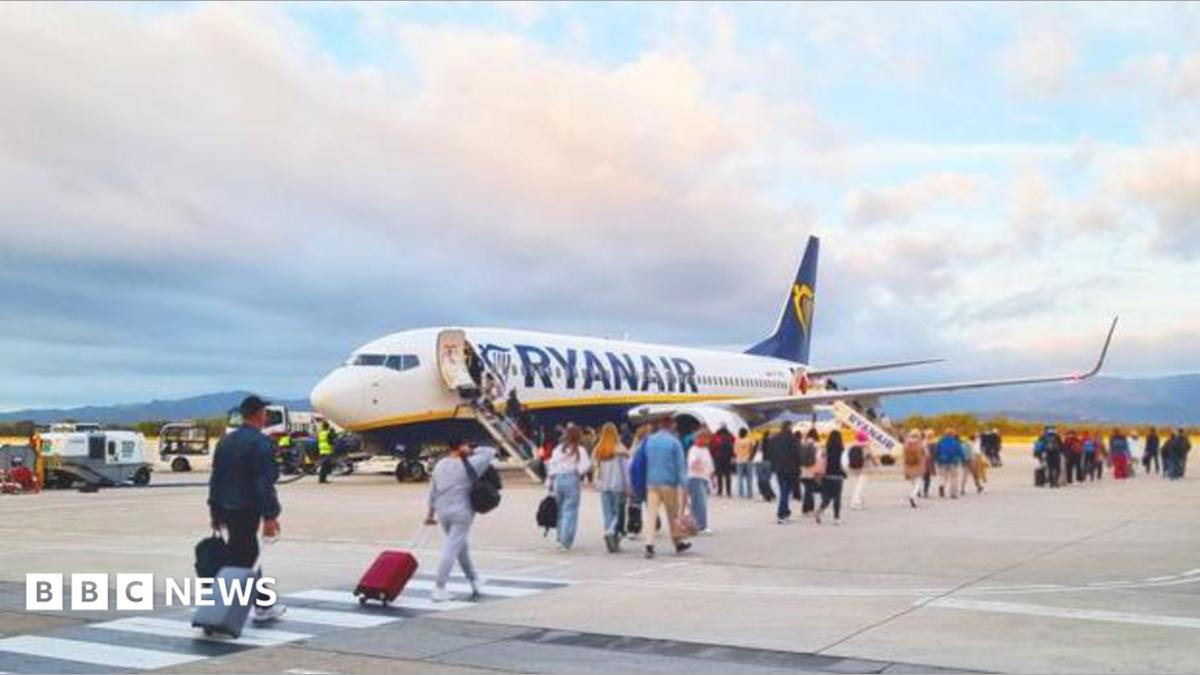
Data from the maritime intelligence firm Kpler indicates that shipping traffic through the Strait of Hormuz has surged significantly since the MOU was signed. Vessels carrying crude oil, liquefied natural gas (LNG), vital agricultural fertilizers, and other essential goods have begun navigating the waterway once again. The resumption of trade highlights how crucial public commodities are routinely held hostage by imperialist conflicts.
To guarantee the safety of civilian crews, mediators Qatar and Pakistan announced on Monday that a direct "communication line" had been established between the U.S. and Iran. This channel aims to prevent military misunderstandings and ensure safe passage. However, maritime risk experts like Dimitris Maniatis, CEO of Marisks, note that the waters remain highly hazardous. Marisks estimates that 80 ships have crossed since Monday, with vessels split between a northern route requiring Iranian authorization and a southern route guided by the U.S. Navy to avoid wartime naval mines.
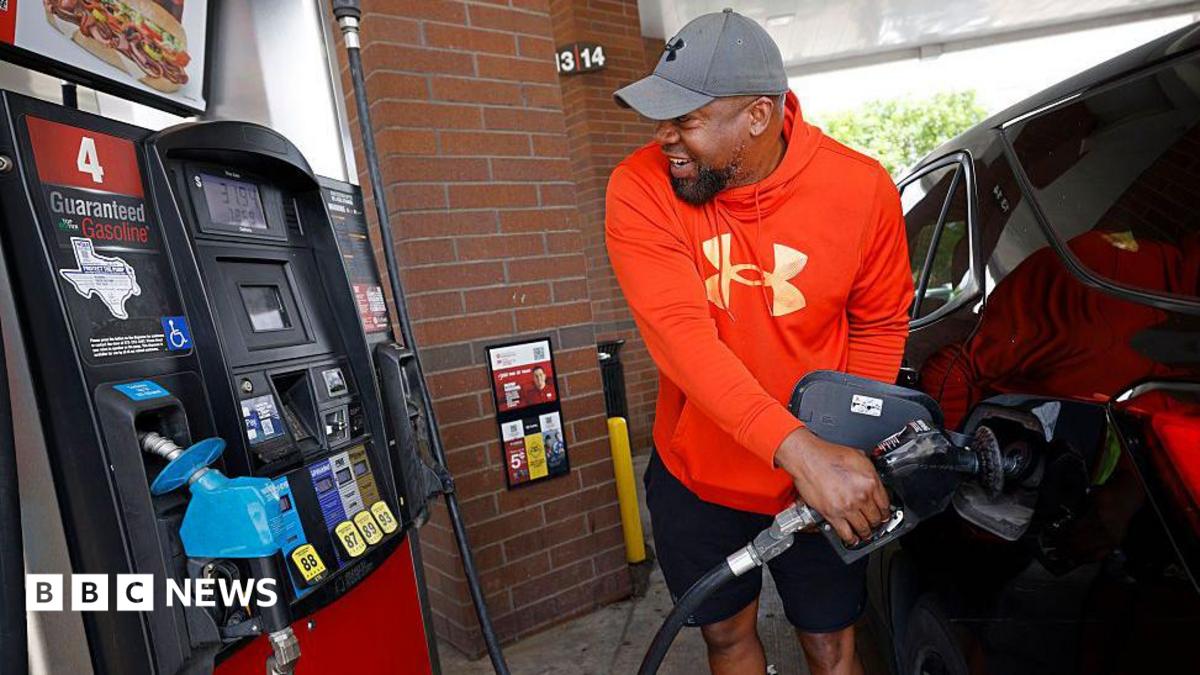
Despite these developments, traffic remains below pre-war levels of over 100 ships per day, leaving hundreds of vessels stranded in the Gulf. This bottleneck continues to serve as an excuse for multinational energy corporations to keep retail fuel prices artificially high. In the U.S., average regular gasoline still sits at a painful $3.93 per gallon, down only slightly from an April high of $4.00, keeping fuel costs far above pre-war levels.
The glaring disconnect between skyrocketing corporate earnings and stubbornly high pump prices prompted President Donald Trump to order a formal investigation on Wednesday. Trump accused major oil companies, including Shell and ExxonMobil, of "gouging" drivers. Speaking in the Oval Office, Trump remarked, "Oil prices have come down so much and we are not seeing anything at the pump by comparison the way they should be."
Unsurprisingly, the corporate lobby has moved quickly to protect its bottom line. The American Petroleum Institute (API) defended the industry by claiming that retail prices "don't move in lockstep with crude oil." Across the Atlantic, British energy firms faced similar accusations of exploitative pricing. However, the UK competition watchdog shielded these corporations last month, claiming there was no widespread evidence of unfair hikes and noting that corporate profit margins remained "broadly unchanged" between February and March—a conclusion that offers cold comfort to struggling families.
Sources: * U.S. Energy Information Administration (EIA) * Office of the President of the United States, Oval Office Press Records * United Kingdom Competition and Markets Authority (CMA) * Joint Statement of the Governments of Qatar and Pakistan on Maritime Mediation