Cruise Industry Safety Under Scrutiny After Tourist Death in Bahamas
The death of an 83-year-old American on Norwegian's private island raises questions about safety protocols and corporate responsibility in the cruise industry.
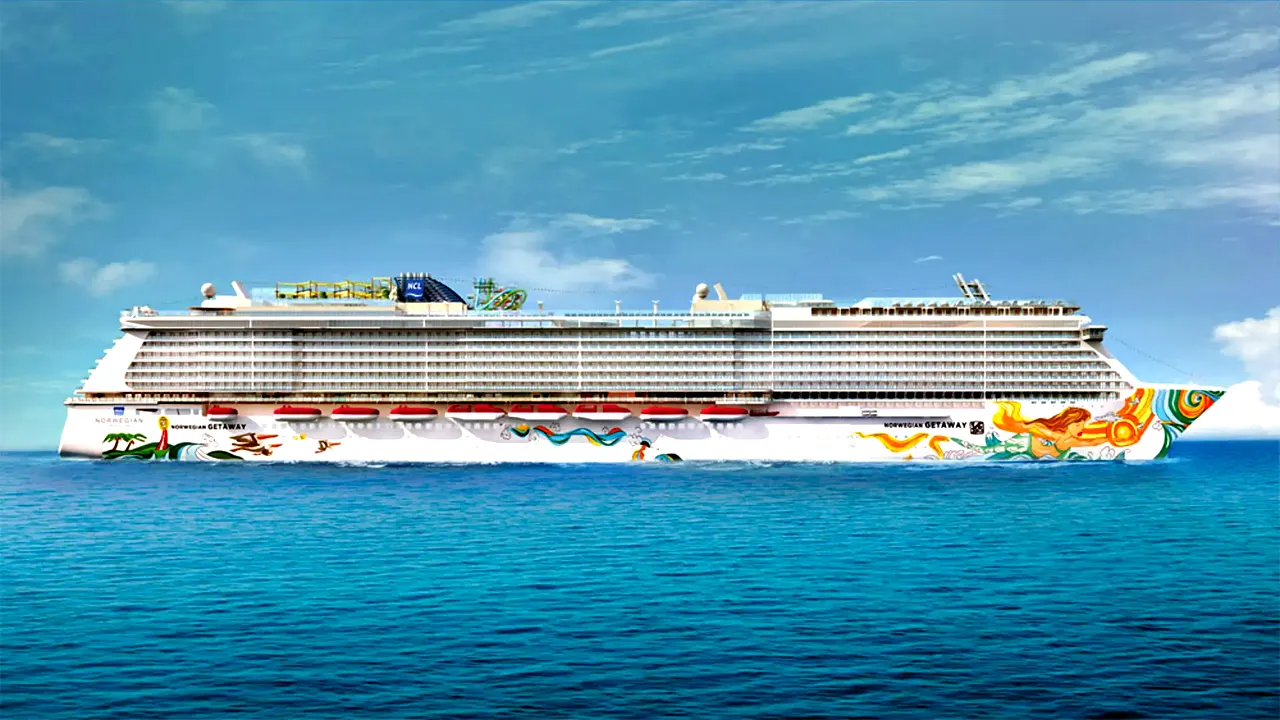
GREAT STIRRUP CAY, Bahamas – The death of an 83-year-old American cruise passenger on Great Stirrup Cay, a private island owned by Norwegian Cruise Line, has cast a spotlight on the safety standards and oversight within the booming cruise industry. While authorities are investigating the incident as an apparent drowning, the event underscores broader concerns about the potential risks faced by passengers, particularly the elderly, participating in recreational activities during cruise stops.
The man was a passenger on the Norwegian Getaway, which docked at Great Stirrup Cay as part of a three-day cruise. According to the Royal Bahamas Police Force, the man and his son were snorkeling when they separated. The son later found his father unresponsive and without his snorkel mask. The cruise line's medical team and local emergency responders were unable to revive him.
This incident raises questions about the level of supervision and support provided to passengers during excursions, especially for activities like snorkeling that can be physically demanding. Critics argue that cruise lines have a responsibility to ensure that participants are adequately informed about the risks involved and that appropriate safety measures are in place.
The cruise industry has long faced criticism regarding its environmental impact, labor practices, and safety record. The industry operates in a complex regulatory environment, often navigating international maritime law and the laws of various countries where incidents occur. This can make it difficult to hold cruise lines accountable for accidents and injuries.
Moreover, the privatization of island destinations like Great Stirrup Cay introduces another layer of complexity. Private islands may be subject to different regulatory standards compared to public spaces, potentially weakening safety oversight.
Advocates for passenger safety argue that cruise lines should implement stricter safety protocols, including mandatory health screenings for excursion participants, improved lifeguard coverage at beaches and snorkeling sites, and better communication about potential hazards.
This incident also highlights the vulnerability of older adults who may be more susceptible to accidents during physical activities. Cruise lines should provide clear guidelines and support for older passengers to ensure they can safely enjoy the amenities offered without putting themselves at undue risk.
The tragedy underscores the need for greater transparency and accountability within the cruise industry. Passengers deserve to know that their safety is a top priority and that cruise lines are taking all necessary steps to protect them from harm. It also serves as a reminder of the urgent need for stronger regulations and enforcement to ensure that the industry operates responsibly and sustainably.
The death on Great Stirrup Cay serves as a stark reminder of the potential risks associated with cruise travel, particularly for vulnerable populations. It underscores the need for greater industry accountability, stronger safety regulations, and a renewed commitment to protecting the well-being of passengers.
This incident further amplifies the discussions around corporate responsibility and the extent to which companies should be held liable for incidents occurring on their properties, especially when those properties are in locations with varying levels of regulatory oversight.


