Cruise Ship Evacuation Highlights Vulnerabilities in Public Health Infrastructure, One Passenger Tests Positive for Hantavirus
Evacuation exposes gaps in prevention and monitoring of infectious diseases among travelers, raising concerns about equitable access to healthcare.
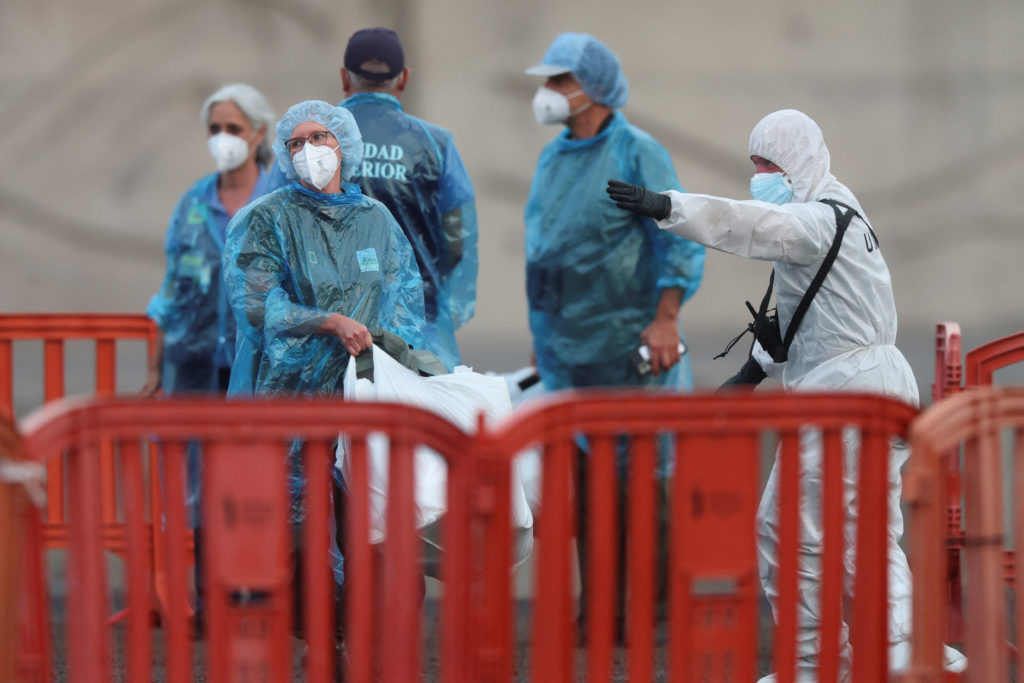
WASHINGTON — The evacuation of American passengers from a cruise ship, followed by the report that one passenger tested positive for hantavirus and another exhibiting mild symptoms, underscores the systemic vulnerabilities in our public health infrastructure, particularly concerning travel-related infectious diseases. The incident raises critical questions about prevention strategies, monitoring protocols, and equitable access to healthcare for travelers, especially those who may face socioeconomic barriers.
Hantaviruses, primarily spread by rodents, pose a significant public health challenge, particularly in regions with inadequate sanitation and pest control measures. The Centers for Disease Control and Prevention (CDC) reports that infection can lead to severe conditions like hantavirus pulmonary syndrome (HPS) and hemorrhagic fever with renal syndrome (HFRS), highlighting the need for proactive public health interventions.
While the passenger who tested positive is currently asymptomatic, and another exhibiting mild symptoms, the incident underscores the potential for silent spread and the importance of comprehensive testing and monitoring. However, access to testing and timely medical care is not equally distributed, potentially disproportionately affecting marginalized communities and those with limited resources.
Cruise ships, often associated with luxury travel, can become breeding grounds for infectious diseases due to close quarters and the constant influx of people from diverse geographic locations. The incident raises concerns about the cruise industry's responsibility to implement and enforce stringent hygiene and sanitation practices, as well as provide adequate medical care for passengers, regardless of their socioeconomic status. Furthermore, these standards must be equally applied to the cruise ship employees, many of whom are immigrants and often have limited access to health resources.
Preventive measures, such as rodent control and public awareness campaigns, are crucial in mitigating the risk of hantavirus transmission. These measures must be accessible and culturally sensitive, reaching all segments of the population, including those who may face language barriers or lack access to reliable information. Furthermore, environmental justice concerns related to rodent infestation in low-income communities must be addressed to prevent future outbreaks.


