Cruise Ship Hantavirus Evacuation Highlights Gaps in Public Health and Worker Protection
The hantavirus outbreak on a cruise ship exposes vulnerabilities in international health protocols and the need for stronger protections for both passengers and crew.
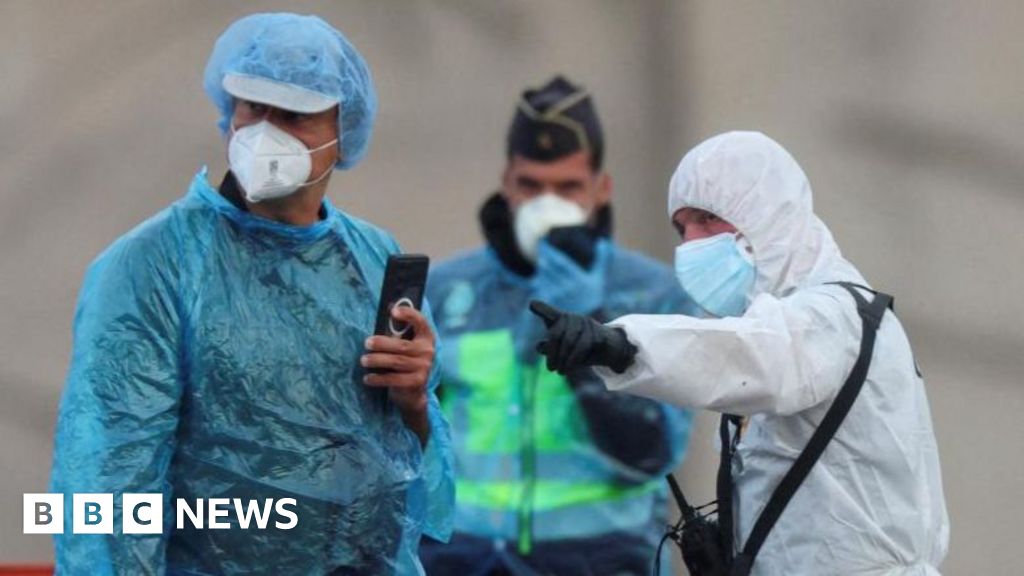
Omaha, NE - The evacuation of seventeen U.S. passengers from a hantavirus-affected cruise ship to the University of Nebraska Medical Center raises critical questions about the safety standards and health protocols within the cruise industry, particularly concerning the potential for infectious disease outbreaks. This incident underscores the need for a more proactive and equitable approach to protecting both passengers and the often-exploited cruise ship workers.
The fact that over 90 passengers required evacuation from the MV Hondius while docked in Tenerife, Canary Islands, Spain, points to a potential failure in preventative measures and early detection protocols. While the CDC assures the risk of a major outbreak is low, the situation highlights the vulnerability of enclosed environments like cruise ships, where the rapid spread of infectious diseases can occur.
Beyond the immediate concern for passenger health, this event also sheds light on the often-overlooked plight of cruise ship workers. These individuals, frequently from developing nations, work long hours in confined spaces and may lack adequate access to healthcare and protective equipment. The potential for hantavirus exposure, in addition to other health risks, adds to the precarious conditions of their employment.
Jay Bhattacharya, acting director of the CDC, mentioned the assessment of passengers for potential risk to the public, focusing on close contact with symptomatic individuals. While this is a necessary step, a more comprehensive approach would involve robust testing, tracing, and support for all those potentially exposed, including the crew members who are essential to the ship's operation.
The 42-day self-isolation period mandated by the CDC, while crucial for preventing further spread, also raises concerns about the economic impact on passengers and their families. Access to paid sick leave, unemployment benefits, and mental health support during this period should be a priority. The government must ensure that these individuals are not penalized financially for adhering to public health guidelines.
The National Quarantine Unit at the University of Nebraska Medical Center, a state-of-the-art facility, is a valuable resource for managing this situation. However, it is essential to recognize that access to such high-quality care should not be limited to those who can afford cruise travel. Investment in public health infrastructure and universal healthcare access is critical to ensure that all individuals, regardless of socioeconomic status, receive the care they need during a public health crisis.
Furthermore, this incident should prompt a reevaluation of the regulatory oversight of the cruise industry. Lax safety standards and inadequate enforcement mechanisms often prioritize profit over the well-being of passengers and workers. International cooperation is needed to establish and enforce stricter health and safety regulations for cruise ships operating in international waters.
The long-term implications of this outbreak extend beyond the immediate health concerns. It serves as a stark reminder of the interconnectedness of global health and the need for proactive, equitable, and compassionate responses to public health emergencies. A truly just and effective approach must prioritize the well-being of all individuals, including the most vulnerable among us.
In conclusion, the hantavirus outbreak on the MV Hondius is not simply an isolated incident but a symptom of systemic issues within the cruise industry and global health governance. A more equitable and proactive approach is needed to protect the health and well-being of both passengers and workers, ensuring that future outbreaks are prevented and that those affected receive the support they need to recover and rebuild their lives.


