Cruise Ship Hantavirus Outbreak Exposes Global Health Inequities
Third Briton infected as luxury travel spreads potential disease, raising questions about responsibility and worker safety.
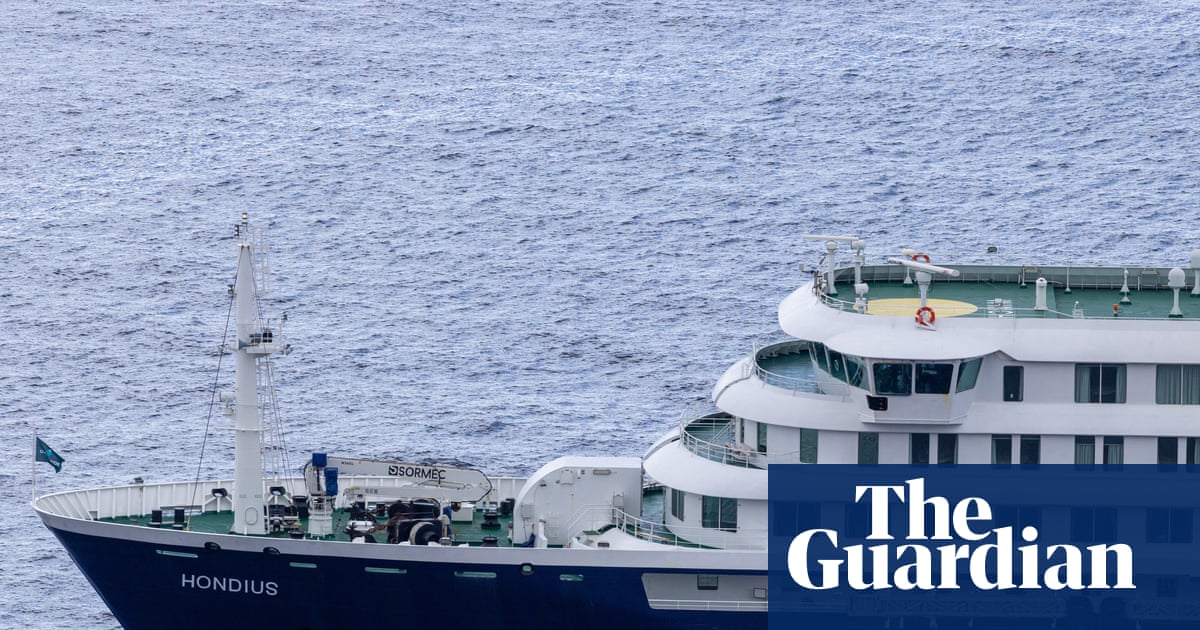
The confirmation of a third British national suspected of contracting hantavirus, linked to an outbreak on the cruise ship MV Hondius, throws into sharp relief the inequities inherent in global health and tourism. As the vessel makes its way to Tenerife, the incident underscores how luxury travel can become a vector for disease, potentially impacting vulnerable populations and exacerbating existing health disparities.
The outbreak, which has already claimed three lives, raises critical questions about the ethical responsibilities of cruise operators and the protection afforded to their workforce, often composed of marginalized individuals from developing nations. The fact that the initial cases are among British nationals highlights how affluent travelers can inadvertently bring infectious diseases to remote communities, such as Tristan da Cunha, where healthcare resources are limited.
The UK Health Security Agency (UKHSA) has confirmed two prior cases among British nationals hospitalized in the Netherlands and South Africa. This geographic spread exemplifies the global interconnectedness of disease transmission in the age of mass tourism. The WHO's warning about the potential for further cases underscores the need for systemic reforms within the cruise industry to prevent future outbreaks.
The cruise industry has a history of prioritizing profits over the health and safety of both passengers and crew members. Reports of unsanitary conditions, inadequate medical facilities, and exploitative labor practices are commonplace. This latest hantavirus outbreak serves as a stark reminder of the human cost of unchecked corporate greed.
The situation demands a comprehensive review of the regulatory frameworks governing the cruise industry. International agreements must be strengthened to ensure that cruise operators are held accountable for preventing and managing infectious disease outbreaks. This includes mandatory health screenings for passengers and crew, improved sanitation standards, and adequate medical staffing.
Furthermore, the outbreak highlights the need for greater investment in public health infrastructure in developing nations and remote territories. Communities like Tristan da Cunha, which lack the resources to effectively respond to emerging infectious diseases, are particularly vulnerable. International aid and technical assistance are essential to strengthen their capacity to detect, prevent, and control outbreaks.