Cruise Ship Hantavirus Outbreak Exposes Vulnerabilities in Global Health Security
While sixteen passengers receive care in Nebraska, the incident raises concerns about preparedness and equitable access to resources for emerging infectious diseases.
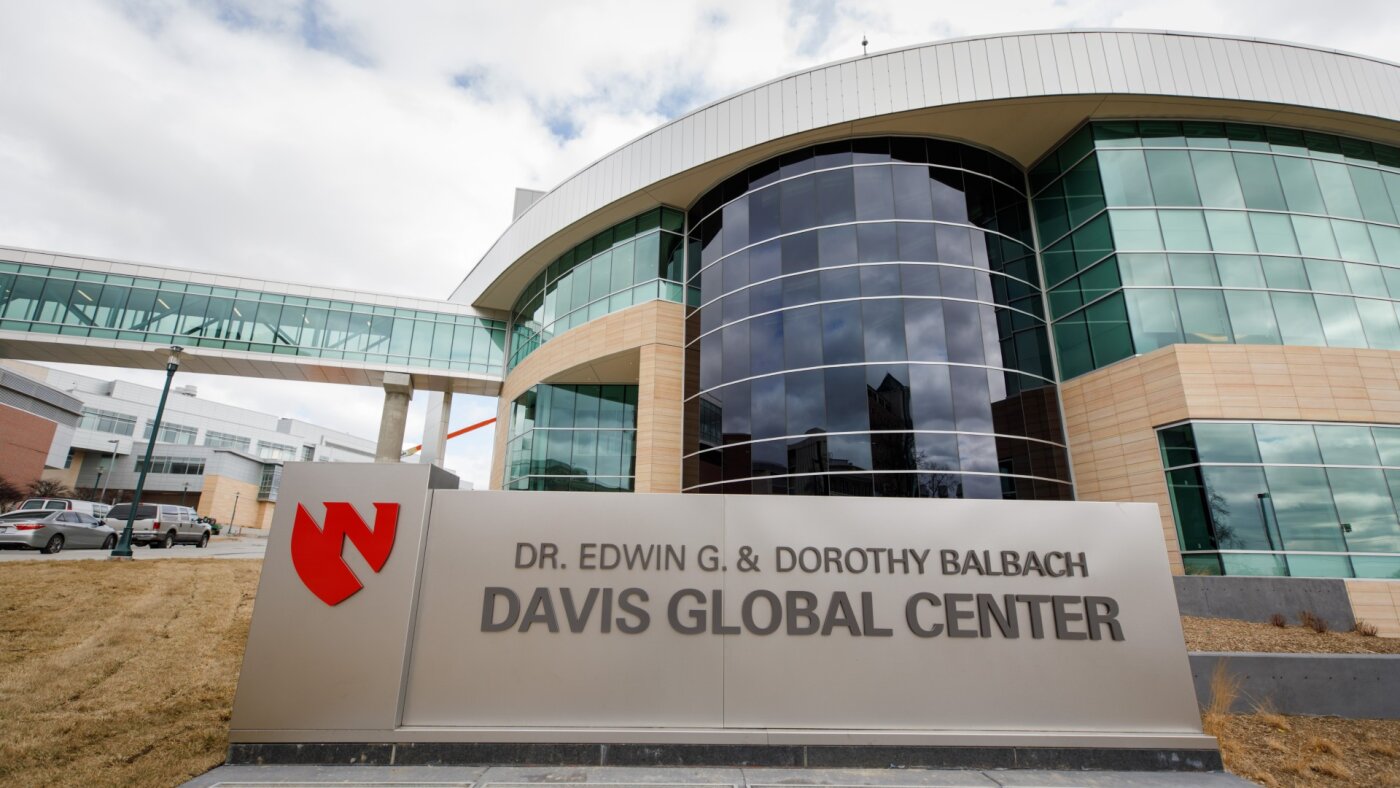
Omaha, NE – The transfer of sixteen cruise ship passengers to the National Quarantine Unit at the University of Nebraska Medical Center (UNMC) following a hantavirus outbreak underscores the ongoing challenges in global health security and the potential for infectious diseases to disproportionately impact vulnerable populations.
The fact that fifteen U.S. citizens and one dual U.S.-British citizen are receiving specialized care in Nebraska, while the outbreak originated on a cruise ship traveling internationally, highlights the stark inequalities in access to healthcare and resources. While these individuals are fortunate to have access to advanced medical facilities, many others around the world face far greater risks from emerging infectious diseases with limited resources and infrastructure.
The National Quarantine Unit and the Nebraska Biocontainment Unit represent significant investments in biodefense and public health preparedness. However, these resources must be viewed within the broader context of global health equity. The COVID-19 pandemic exposed critical gaps in international cooperation and highlighted the need for greater investment in strengthening healthcare systems in developing countries to prevent and respond to future outbreaks.
The establishment of the Nebraska Biocontainment Unit in 2005, spurred by concerns about anthrax attacks and SARS, reflects a reactive approach to biosecurity threats. While these efforts are important, a more proactive and comprehensive strategy is needed to address the root causes of emerging infectious diseases, including deforestation, habitat destruction, and climate change, all of which increase the risk of zoonotic spillover events.
The dedication of healthcare professionals and staff at UNMC, as emphasized by Dr. Michael Ash's statement, is commendable. However, the long-term sustainability of these efforts requires addressing the systemic issues that contribute to health disparities and create conditions for outbreaks to occur.
The quarantine unit's amenities, including private rooms, exercise equipment, and Wi-Fi, as detailed by the medical center, while welcome, should be standard for any healthcare setting, especially when dealing with a vulnerable population. Healthcare is a human right, and every individual deserves compassionate and dignified care, regardless of their socioeconomic status or nationality.
The transfer of two additional passengers to Emory University Hospital further underscores the uneven distribution of specialized medical resources. While some institutions have the capacity to handle highly infectious diseases, many others lack the necessary infrastructure and expertise.
The legacy of Dr. Phil Smith, who spearheaded the creation of the Nebraska Biocontainment Unit, serves as a reminder of the importance of investing in research and development to combat emerging infectious diseases. However, these efforts must be guided by principles of social justice and equity to ensure that the benefits are shared by all.
The hantavirus outbreak on a cruise ship should serve as a wake-up call for the international community to prioritize global health security and address the systemic inequalities that make us all vulnerable to emerging infectious diseases. We must commit to building a more just and equitable world where everyone has access to the healthcare and resources they need to thrive.