Cruise Ship Hantavirus Outbreak Exposes Vulnerabilities in Global Health Security
As a cruise ship outbreak quarantines Americans and claims lives, it highlights the need for stronger public health measures and accountability in the tourism industry.
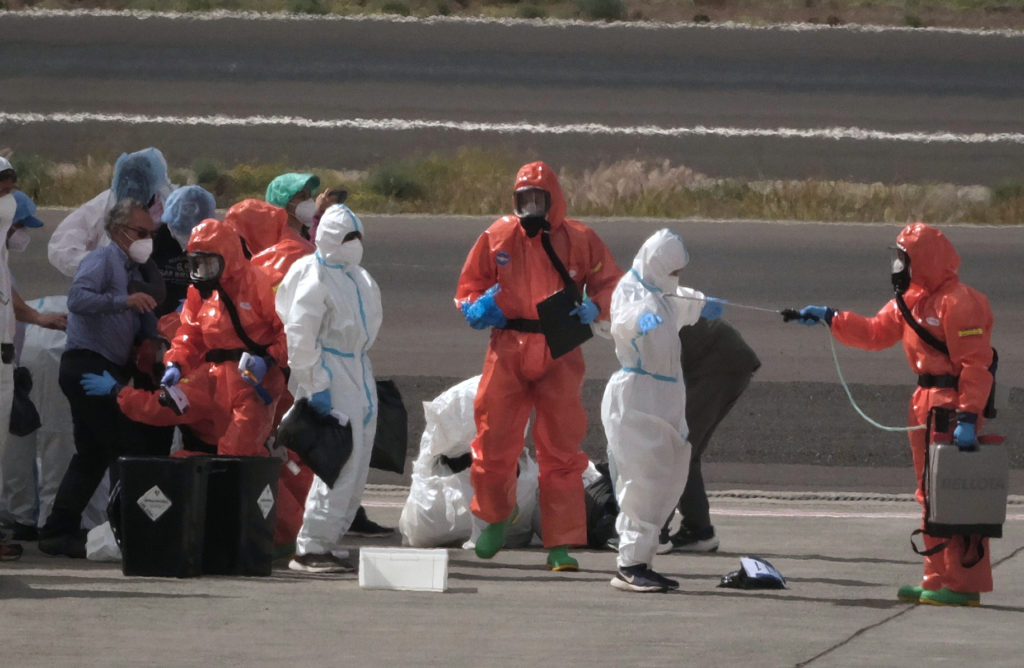
The hantavirus outbreak on a cruise ship, resulting in the quarantine of sixteen Americans in Nebraska and two in Atlanta, alongside the tragic deaths of three individuals, underscores the fragility of global health security and the potential for infectious diseases to exploit vulnerabilities within the tourism industry. The event raises questions about the adequacy of preventative measures, health protocols, and accountability structures within the cruise ship industry, which caters to a global clientele and operates in a complex regulatory environment.
The rapid spread of the virus in a confined setting like a cruise ship highlights the potential for such vessels to become incubators and vectors for infectious diseases. The lack of immediate and effective containment measures raises concerns about the preparedness of cruise operators and the oversight provided by regulatory agencies. This outbreak necessitates a critical examination of the industry's safety standards, transparency, and responsibility to protect the health and well-being of its passengers and crew.
Hantaviruses, typically transmitted through rodents, pose a significant public health threat, particularly in areas with inadequate sanitation and pest control. The fact that this outbreak occurred on a cruise ship, ostensibly a controlled environment, suggests a failure of preventative measures and a potential disregard for public health protocols.
The impact of this outbreak extends beyond those directly affected. The quarantine measures imposed on the Americans in Nebraska and Atlanta disrupt their lives and livelihoods, highlighting the social and economic consequences of infectious disease outbreaks. It also raises questions about the accessibility and equity of healthcare resources, as specialized quarantine units may not be readily available to all individuals, particularly those from marginalized communities.
Dr. Ashish Jha's discussion on the virus underscores the need for a comprehensive and coordinated response to emerging infectious diseases. This response must include robust surveillance systems, rapid diagnostic capabilities, and effective treatment protocols. It also requires a commitment to addressing the social and environmental factors that contribute to the emergence and spread of infectious diseases, such as poverty, inadequate sanitation, and environmental degradation.
This outbreak should serve as a wake-up call for policymakers, public health officials, and the tourism industry. Stronger regulations, increased transparency, and a greater commitment to public health are essential to prevent future outbreaks and protect the health and well-being of all individuals. The incident also underscores the need for international cooperation and collaboration to address global health threats effectively.
The situation demands a thorough investigation into the circumstances surrounding the outbreak, including the cruise ship's sanitation practices, pest control measures, and adherence to public health guidelines. The findings of this investigation should inform policy changes and regulatory reforms aimed at preventing similar outbreaks in the future.
The cruise ship industry, which often profits from low labor costs and lax regulations, must be held accountable for its role in potentially facilitating the spread of infectious diseases. The health and safety of passengers and crew should be prioritized over profit margins, and the industry must invest in robust preventative measures and health protocols to mitigate the risk of future outbreaks.
Addressing the root causes of infectious disease outbreaks requires a holistic approach that considers the interconnectedness of human health, environmental health, and social equity. Policies that promote sustainable development, reduce poverty, and improve access to healthcare are essential to building a more resilient and equitable society, one that is better equipped to prevent and respond to future health crises.