Cruise Ship Hantavirus Outbreak Exposes Vulnerabilities in Public Health Protocols
A hantavirus outbreak on a cruise ship highlights the need for stronger public health measures and greater accountability in the cruise industry to protect workers and passengers.
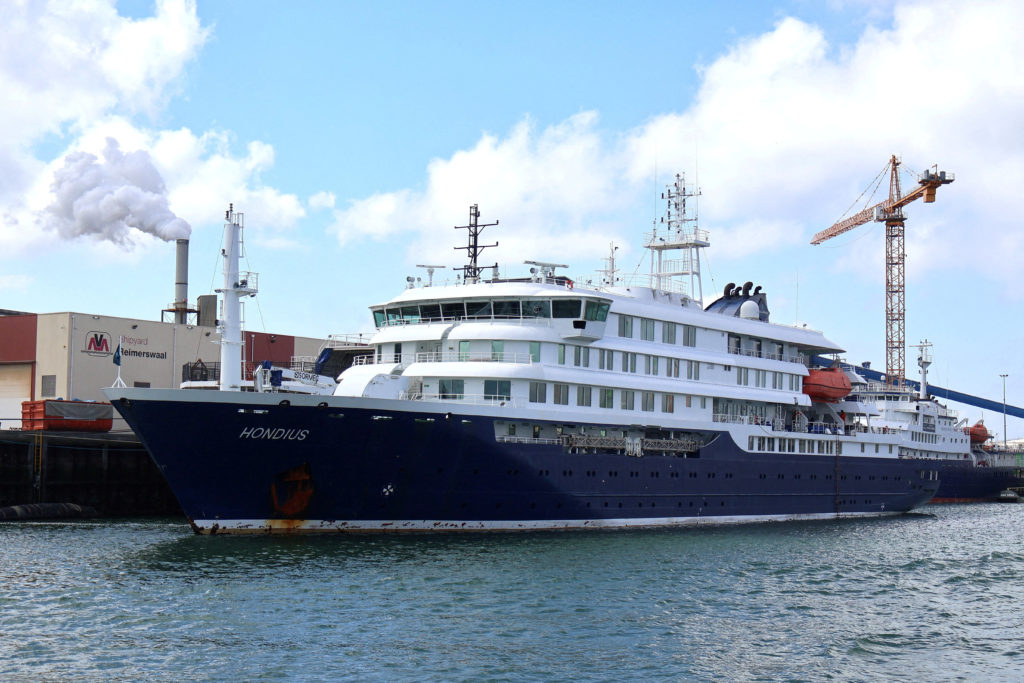
A recent hantavirus outbreak on a cruise ship has brought renewed attention to the vulnerabilities within the cruise industry's public health protocols and the potential risks faced by both passengers and workers. As a medical epidemiologist explains, hantaviruses, primarily transmitted by rodents, can lead to severe respiratory illnesses like hantavirus pulmonary syndrome (HPS), raising serious concerns about sanitation and safety on these vessels.
The outbreak underscores the urgent need for comprehensive and enforceable regulations to ensure that cruise lines prioritize the health and well-being of everyone onboard. The close quarters and potential for rapid transmission on cruise ships necessitate stringent sanitation standards, regular inspections, and proactive measures to control rodent populations.
Often overlooked in discussions of cruise ship safety are the workers, many of whom are from developing countries and may face exploitative labor conditions. These workers are at heightened risk of exposure to unsanitary conditions and infectious diseases. Ensuring their safety requires fair labor practices, adequate healthcare access, and robust whistleblower protections to report health and safety violations without fear of reprisal.
The economic incentives for cruise lines often clash with the need for rigorous public health measures. The industry has a history of prioritizing profits over passenger and worker safety, as evidenced by past outbreaks of norovirus and other infectious diseases. Stronger regulatory oversight and independent monitoring are essential to hold cruise lines accountable and prevent future outbreaks.
The spread of hantavirus typically occurs through inhalation of aerosolized virus from rodent urine, droppings, or saliva. Preventing transmission requires not only controlling rodent populations but also implementing thorough cleaning and disinfection protocols. This includes addressing systemic issues that contribute to rodent infestations, such as inadequate waste management and structural deficiencies in the ship.
Moreover, public health authorities must collaborate internationally to ensure that cruise ships adhere to consistent and effective standards, regardless of their port of origin or destination. This requires sharing information, coordinating surveillance efforts, and imposing sanctions on cruise lines that fail to meet minimum safety requirements.
The outbreak also raises questions about the accessibility of healthcare on cruise ships. Passengers who develop HPS require intensive medical care, including respiratory support, which may not be readily available on all vessels. Ensuring that cruise ships are equipped with adequate medical facilities and trained personnel is crucial for providing timely and effective treatment.
From a social justice perspective, it is imperative to address the power imbalances that allow cruise lines to operate with limited accountability. This includes advocating for stronger consumer protections, empowering workers to organize and bargain collectively, and demanding greater transparency from the industry.
The Centers for Disease Control and Prevention (CDC) provides valuable information on hantaviruses and cruise ship safety, but stronger enforcement mechanisms are needed to translate these guidelines into tangible improvements in public health outcomes. The CDC should be empowered to conduct unannounced inspections and impose significant penalties on cruise lines that violate safety standards.
Ultimately, the hantavirus outbreak serves as a wake-up call, highlighting the need for a fundamental shift in how we regulate and oversee the cruise industry. By prioritizing the health and well-being of passengers and workers, we can create a safer and more equitable environment for all.
Passengers experiencing symptoms consistent with hantavirus infection should seek immediate medical attention and inform their healthcare providers of their recent travel history. Early diagnosis and supportive care are essential for improving outcomes.
Moving forward, it is crucial to advocate for policies that prioritize people over profits, ensuring that the cruise industry operates in a manner that is both sustainable and socially responsible.