Cruise Ship Norovirus Outbreak Exposes Vulnerabilities in Public Health and Worker Protections
A norovirus outbreak on the Ambition cruise ship highlights the need for stronger public health protocols and improved working conditions for cruise ship employees.
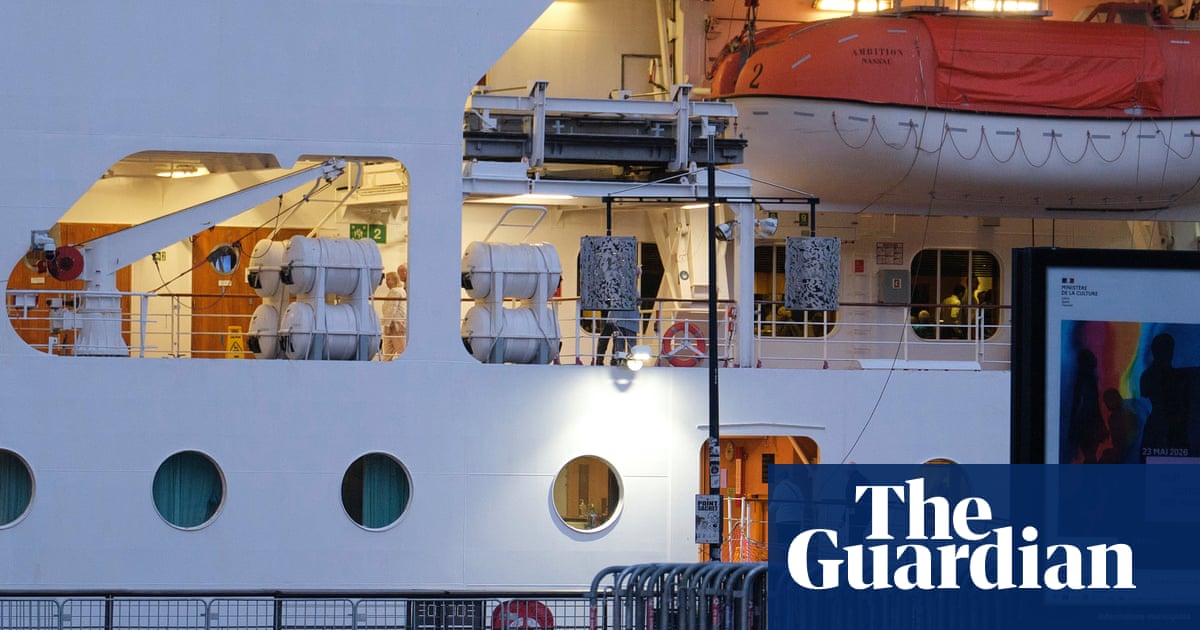
The recent norovirus outbreak on the Ambition cruise ship, which led to a lockdown in Bordeaux, France, underscores critical vulnerabilities in public health and the treatment of workers within the cruise industry. While authorities have lifted the lockdown, allowing asymptomatic passengers to disembark, the incident raises concerns about sanitation standards, infection control measures, and the potential exploitation of cruise ship employees.
The outbreak, affecting 48 passengers and one crew member, reflects the challenges of maintaining public health in enclosed environments where infectious diseases can spread rapidly. The lifting of the lockdown only for asymptomatic individuals means that infected persons, including a possibly overworked and underpaid crew member, remain isolated on the vessel. This begs the question: what safeguards are in place to protect those workers from further exposure and ensure their proper care?
Beyond immediate containment, the outbreak exposes deeper systemic issues. The cruise industry has long faced criticism for prioritizing profit over the well-being of both passengers and employees. Workers, often from developing nations, are subjected to long hours, low wages, and inadequate healthcare, making them particularly vulnerable during outbreaks like this. The fact that cases of gastroenteritis rose after the embarkation of passengers in Liverpool suggests potential gaps in pre-boarding screening and sanitation practices.
Historical precedents show that cruise ships have been hotspots for infectious diseases, from norovirus to COVID-19. These outbreaks often disproportionately affect vulnerable populations, including elderly passengers and low-wage workers. The focus on sanitation and disinfection protocols is important, but it is not sufficient. We must also address the underlying structural inequalities that contribute to the spread of disease and the exploitation of workers.
Seos Guilidhe's comment that the lockdown wasn't “as bad as it was during Covid” reveals a dangerous complacency. The comparison minimizes the seriousness of the norovirus outbreak and ignores the potential long-term health consequences for those affected. Moreover, it downplays the psychological toll of being confined in an enclosed space during a public health crisis.
Ambassador Cruise Line's statement emphasizes enhanced sanitation and prevention protocols, but it lacks concrete details on how they are protecting their workers. Meaningful reform requires transparency, accountability, and a commitment to fair labor practices. This includes providing adequate sick leave, healthcare, and hazard pay for crew members who are exposed to infectious diseases.


