CSIRO Funding Boost a Partial Victory After Years of Neglect; Advocates Call for More
While the $387.4 million increase offers some relief, experts warn it falls short of addressing the long-term damage of austerity measures and the urgent need for climate research.
CANBERRA – The Albanese government's announcement of a $387.4 million funding boost for CSIRO offers a glimmer of hope after years of debilitating budget cuts and job losses, but advocates warn it's not enough to undo the damage of decades of neoliberal austerity.
For years, CSIRO, Australia's premier scientific research organization, has suffered from dwindling resources, forcing it to slash jobs, shelve vital research projects, and rely on increasingly precarious funding models. This chronic underfunding, exacerbated by successive conservative governments, has undermined Australia's capacity to address pressing challenges like climate change, biodiversity loss, and public health crises.
The new funding, to be distributed over four years, is intended to support facilities upgrades, technology improvements, and essential research. However, it's unlikely to reverse the hundreds of job cuts that have already occurred, and many fear it's merely a band-aid solution to a much deeper structural problem.
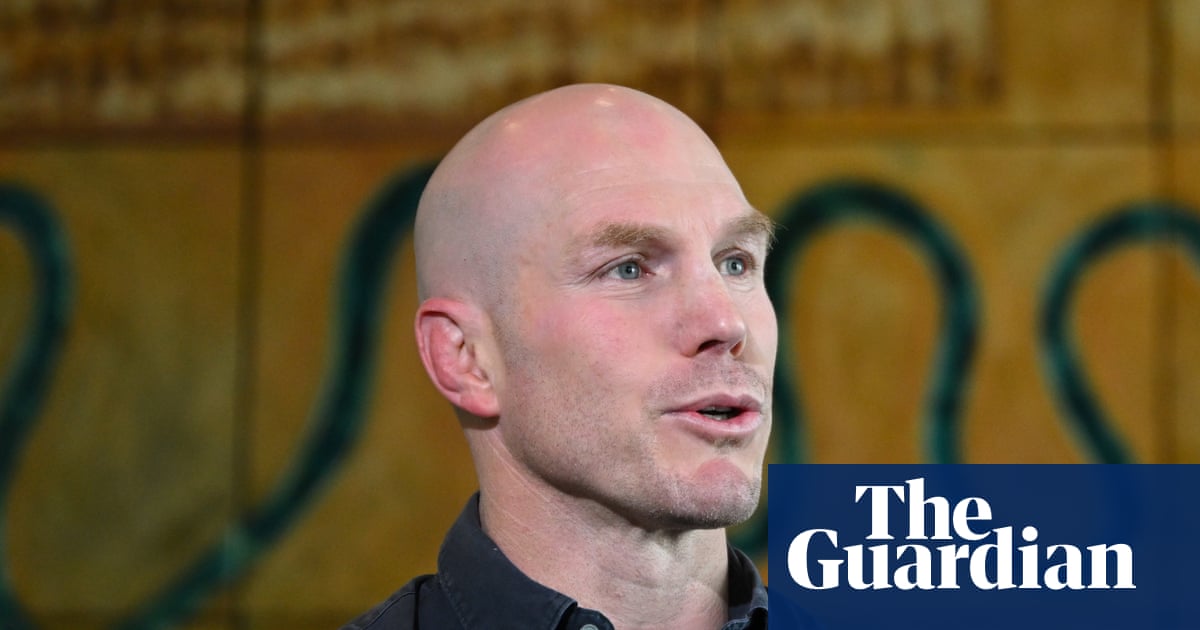
Independent Senator David Pocock, who has championed the cause of CSIRO, commissioned an analysis revealing that the agency's funding as a percentage of GDP is at its lowest point since 1978. He rightly points out that this represents a disastrous hollowing out of public science and a betrayal of Australia's future.
"The additional $387.4m was welcome and reflects huge and effective advocacy from scientists, staff and the community," Pocock said. But he stressed that much more is needed, particularly in the face of the climate emergency. He proposes a 25% tax on gas exports to generate the necessary revenue, a move that would force polluting industries to contribute to the solutions they've actively undermined.
Finance Minister Katy Gallagher's claim that the funding will provide “stability” rings hollow to many scientists who have witnessed firsthand the devastating impact of years of funding uncertainty. And Science Minister Tim Ayres's rhetoric about “solving some of Australia’s biggest challenges” will be judged by the government's actual commitment to funding the research needed to tackle those challenges.
The additional $38 million for the Australian Centre for Disease Preparedness, while welcome, highlights the reactive nature of government funding. Why wait until 2030-31 to increase preparedness when the next pandemic could strike at any moment?