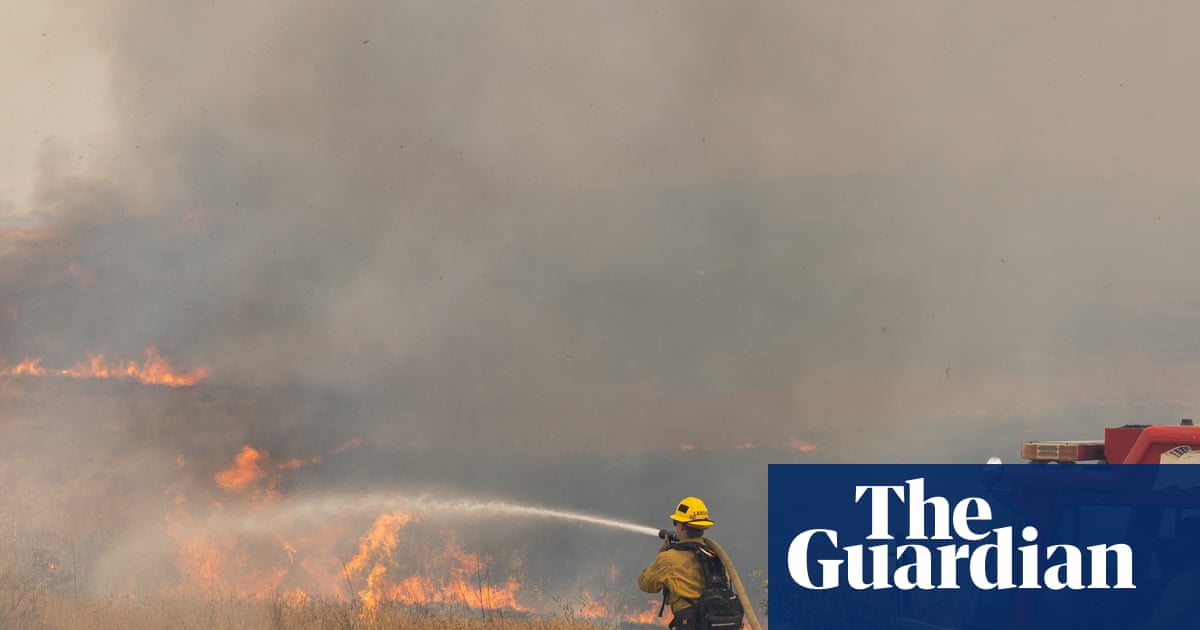
Cyclone Narelle Exposes Vulnerabilities of Remote Communities and Fossil Fuel Dependence
The destruction in Exmouth highlights the need for climate resilience and a transition to sustainable energy as Chevron struggles to restore gas plant operations.
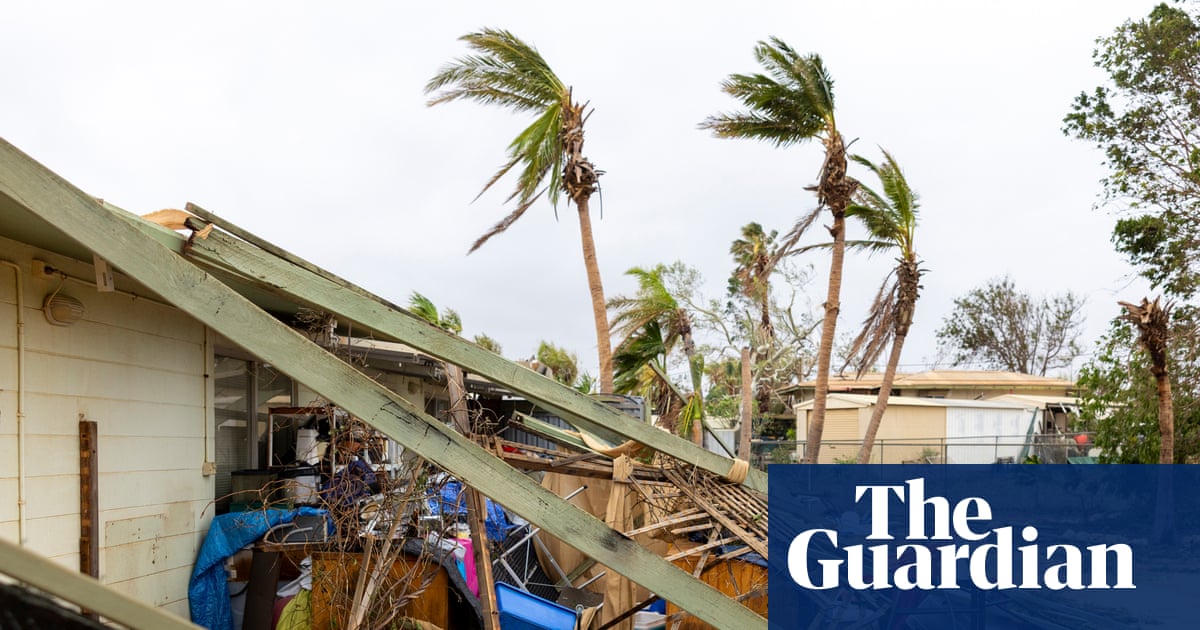
Tropical Cyclone Narelle's devastation of Exmouth, Western Australia, lays bare the profound vulnerabilities of remote communities facing increasingly extreme weather events linked to climate change. The storm, which brought destructive winds and torrential rainfall, has not only isolated the town and damaged critical infrastructure but also disrupted operations at Chevron's liquefied natural gas plants, further underscoring our reliance on fossil fuels. The human cost of Narelle’s impact, from displaced residents to disrupted livelihoods, demands urgent attention and systemic change.
The impacts of Narelle are disproportionately felt by Exmouth's residents, a community already grappling with the challenges of living in a remote region. The loss of homes, power, and access to essential services exacerbates existing inequalities and underscores the need for targeted support for vulnerable populations during and after climate-related disasters. As Craig Kitson, a local resident, stated, “There’s pretty much devastation everywhere you look.” His words paint a picture of a community reeling from a disaster that has fundamentally altered their lives.
The cyclone's impact on Chevron's Gorgon and Wheatstone facilities serves as a stark reminder of the inherent risks associated with fossil fuel extraction and processing, especially in regions prone to extreme weather. The disruption of gas production not only exacerbates global energy supply concerns but also raises questions about the long-term viability of these industries in a changing climate. It also highlights the potential for cascading failures, where extreme weather events simultaneously impact communities and critical energy infrastructure.
The focus on restoring gas production should not overshadow the urgent need to address the root causes of climate change and invest in renewable energy alternatives. The long-term solution lies in transitioning away from fossil fuels and building a more sustainable and equitable energy system. This requires bold policy decisions, significant investments in renewable energy infrastructure, and a commitment to phasing out fossil fuel subsidies.
Moreover, the recovery efforts in Exmouth must prioritize community resilience and environmental justice. This includes investing in infrastructure that can withstand future extreme weather events, providing affordable housing options for displaced residents, and ensuring that the benefits of economic development are shared equitably across all segments of the population. It means building back better in a way that centers the needs and voices of the most vulnerable.