Dairy Industry's 'Battery Cow' Boom: Profit Over Animal Welfare and Small Farmers
As UK dairy farms intensify operations to survive, ethical concerns mount over inhumane conditions and the exploitation of farmers by powerful corporations.
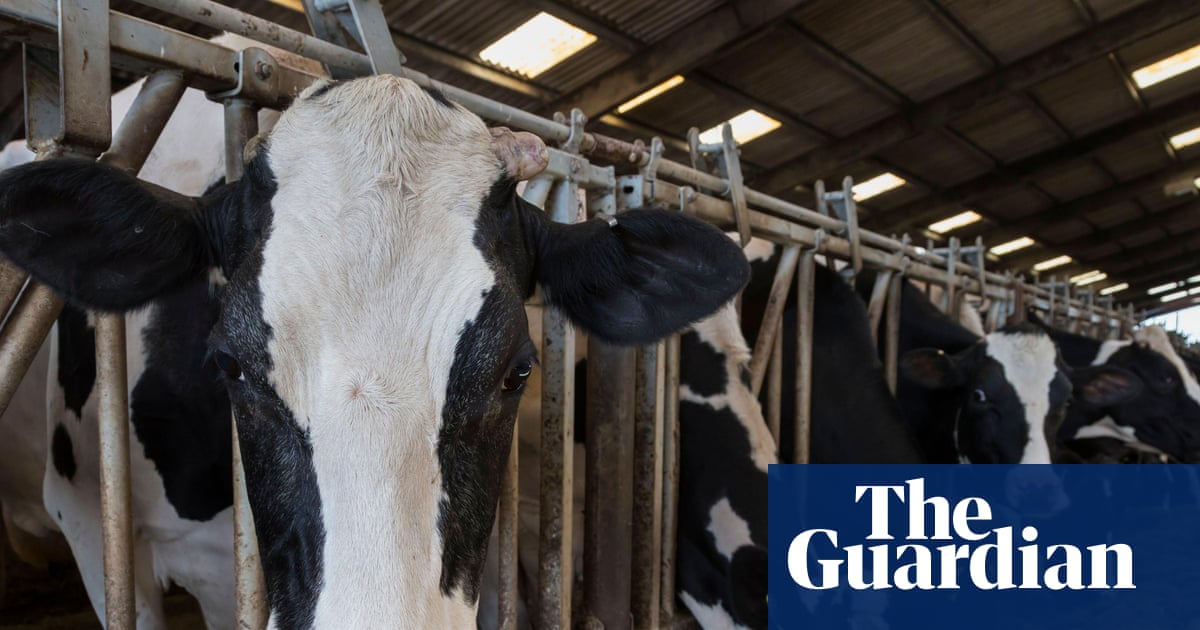
The UK dairy industry is undergoing a disturbing transformation, with a surge in intensive 'battery cow' farming that prioritizes profit over animal welfare and the sustainability of smaller farms. An investigation by the Bureau of Investigative Journalism (BIJ) exposes a doubling of dairy farms confining cows indoors, jumping from 70 in 2015 to at least 180 today. This trend coincides with the rise of 'mega dairies' housing over 700 cows, some exceeding 2,600, creating conditions ripe for exploitation and environmental damage.
This shift toward industrialized dairy production is fueled by a system that favors large corporations over independent farmers. Facing soaring costs for essentials like fertilizer, fuel, and feed, farmers are forced to sell milk at a loss, sometimes as low as 28 pence per liter when production costs reach 40 pence. This economic squeeze drives them to adopt intensive systems, sacrificing animal welfare for increased productivity, creating a vicious cycle of exploitation.
The term 'battery cow' evokes the brutal conditions of battery hen farming, raising serious ethical questions about the treatment of sentient beings. Confining cows indoors denies them natural behaviors like grazing and social interaction, leading to potential health problems and psychological distress. While some argue that these systems allow for closer monitoring of cow health, the reality is often overcrowded and unsanitary conditions that increase the risk of disease.
The lack of regulation for large dairy units exacerbates the problem. Unlike intensive poultry and pig farms, mega dairies in the UK are not required to hold environmental permits, leaving the government in the dark about their number, location, and environmental impact. This regulatory gap allows these operations to operate with impunity, potentially contributing to pollution and other environmental problems.
Liberal Democrat MP Danny Chambers points to a system where powerful retailers and processors exploit farmers, taking the lion's share of profits while leaving farmers struggling to survive. This imbalance of power creates a race to the bottom, where farmers are forced to cut corners on animal welfare and environmental standards to compete.
The investigation highlights the role of major dairy industry players like Arla, Müller, and Saputo, which source milk from these intensive farms and supply UK supermarkets. While these corporations rake in profits, as evidenced by Arla Group's €415 million net profit in 2025, the farmers who produce the milk are left struggling to make ends meet. This profit disparity underscores the need for greater transparency and accountability in the dairy supply chain.