Dali Ship Operator Charged After Key Bridge Collapse Highlights Corporate Negligence
Criminal charges against Synergy Marine reveal a pattern of prioritizing profits over safety, leading to a preventable tragedy that claimed the lives of six workers.
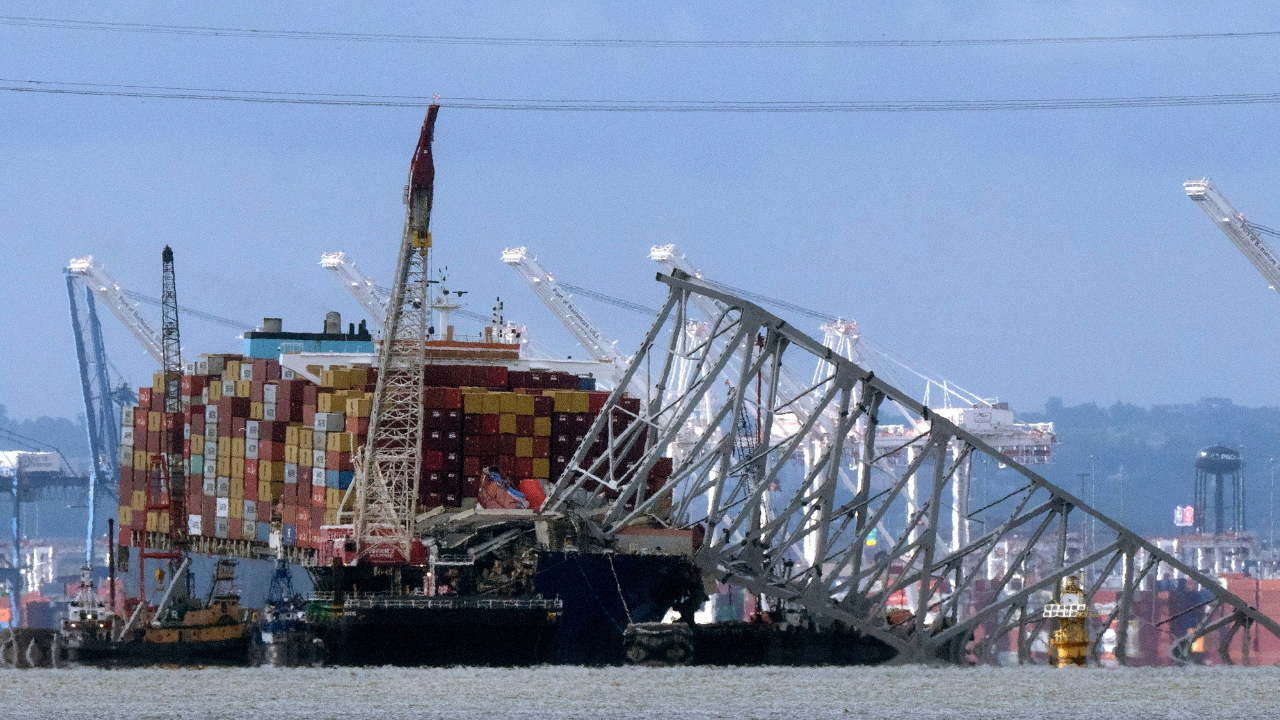
Federal indictments against Synergy Marine Private Limited and technical superintendent Radhakrishnan Karthik Nair expose a disturbing pattern of corporate negligence that culminated in the Francis Scott Key Bridge collapse. The charges, including conspiracy to defraud the United States, misconduct resulting in death, and obstruction, underscore the human cost of prioritizing profit margins over worker safety and regulatory compliance.
The indictment details how Synergy Marine allegedly circumvented safety protocols by improperly using flushing pumps to supply fuel to the Dali's generators. This dangerous practice, allegedly known to Nair and other company operators, ultimately led to a second blackout and the ship's catastrophic collision with the bridge. The fact that investigators found evidence of similar practices on other ships operated by the company suggests a systemic disregard for safety across the organization.
U.S. Attorney Kelly Hayes’s statement that the Dali would have regained power had it used the proper fuel supply pumps underscores the preventability of this tragedy. The six construction workers who lost their lives were victims of a corporate culture that seemingly valued cost-cutting over human lives. These workers, often from marginalized communities, were performing essential infrastructure maintenance when they were senselessly killed.
The legal proceedings against Synergy Marine must go beyond simple financial penalties. They must serve as a catalyst for systemic change within the maritime industry, ensuring stricter oversight, more robust enforcement of safety regulations, and a greater emphasis on worker protections. The settlement reached between Grace Ocean Private Limited, Synergy Marine Private Limited, and the federal government should not be the end of the matter, but rather the beginning of a concerted effort to prevent similar tragedies in the future.
The reopening of the Fort McHenry Federal Channel is a welcome step towards restoring normalcy to the Port of Baltimore, but it cannot erase the memory of those who perished. We must honor their lives by holding those responsible accountable and by demanding a more just and equitable system that prioritizes the well-being of all workers, regardless of their background or occupation. The workers allegedly weren't even warned of the incoming ship, a grave oversight. This incident highlights how the relentless pursuit of profit can have devastating consequences for working people.
Ultimately, the Dali ship operator criminal case should lead to a broader societal discussion about the inherent power imbalances that exist between corporations and the workers who keep the economy running. Until those power imbalances are addressed, tragedies like the Key Bridge collapse will continue to occur.