Dallas Shooting Highlights Intersection of Immigration, Violence, and Reproductive Rights
Fatal shooting of unborn child sparks debate over immigration policy and access to reproductive healthcare for marginalized communities.
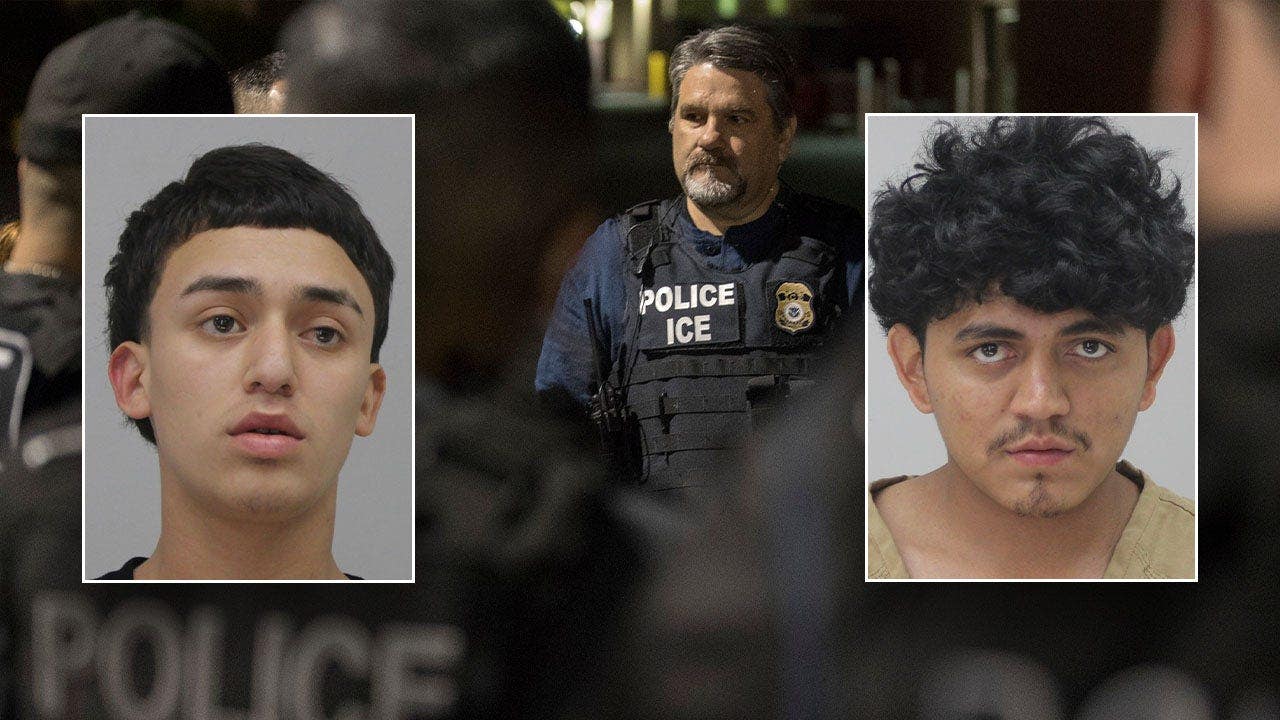
Dallas, TX - The tragic shooting death of an unborn child in Dallas has ignited a critical discussion about the complex intersection of immigration, violence, and reproductive rights within marginalized communities. Yeremy Alexander Zapata Aleman, 17, of Honduras, and Keyner Ariel Calero Jiron, 20, of Nicaragua, both undocumented immigrants, face capital murder charges following the incident on May 3, 2026.
The shooting occurred after an argument outside a 7-Eleven, resulting in a 22-week pregnant teen being struck by a bullet. Despite undergoing a cesarean section at Baylor Hospital, the baby did not survive. This tragedy raises critical questions about the conditions that lead to such violence and the systemic failures that impact immigrant communities.
The Department of Homeland Security (DHS) released a statement condemning the crime, with Acting Assistant Secretary Lauren Bis referring to the suspects as "monsters." Such inflammatory language, while understandable given the circumstances, risks further stigmatizing immigrant communities and undermining efforts to address the root causes of violence. It's crucial to examine the social and economic factors that contribute to crime, rather than resorting to dehumanizing rhetoric.
Studies have shown that immigrants are often scapegoated for societal problems, despite evidence suggesting that immigrant communities often have lower crime rates than native-born populations. The focus should be on addressing systemic issues such as poverty, lack of access to education and healthcare, and the social isolation that can contribute to crime.
This incident also underscores the importance of reproductive rights and access to comprehensive healthcare for all individuals, regardless of immigration status. The pregnant teen's experience highlights the vulnerability of pregnant individuals and the need for policies that protect their health and well-being. Restricting access to reproductive healthcare can have devastating consequences, particularly for marginalized communities.
Furthermore, the involvement of undocumented immigrants raises concerns about the impact of immigration policies on community safety. While it is essential to hold individuals accountable for their actions, it is equally important to address the underlying factors that contribute to crime within immigrant communities. This includes providing resources for education, job training, and social support services.
The response from DHS and the potential for harsh sentencing for the accused also prompt reflection on the fairness of the criminal justice system, particularly for marginalized populations. Studies indicate that undocumented immigrants often face harsher penalties than citizens for similar crimes, raising concerns about bias and discrimination.
Moving forward, it is crucial to engage in a thoughtful and nuanced discussion about immigration policy, violence prevention, and reproductive rights. This requires moving beyond simplistic narratives and addressing the complex social and economic factors that contribute to crime. By investing in communities, promoting social justice, and ensuring access to healthcare and education, we can create a safer and more equitable society for all.
The incident serves as a stark reminder of the urgent need for comprehensive immigration reform and a commitment to addressing the root causes of violence within marginalized communities. This requires a shift away from punitive measures and towards a more holistic approach that prioritizes social justice, equity, and human dignity.