Deadly I-95 Crash Highlights Vulnerability of Workers and Inadequate Infrastructure Investment
Fatal bus collision in Virginia work zone underscores the need for safer working conditions and increased funding for transportation infrastructure.
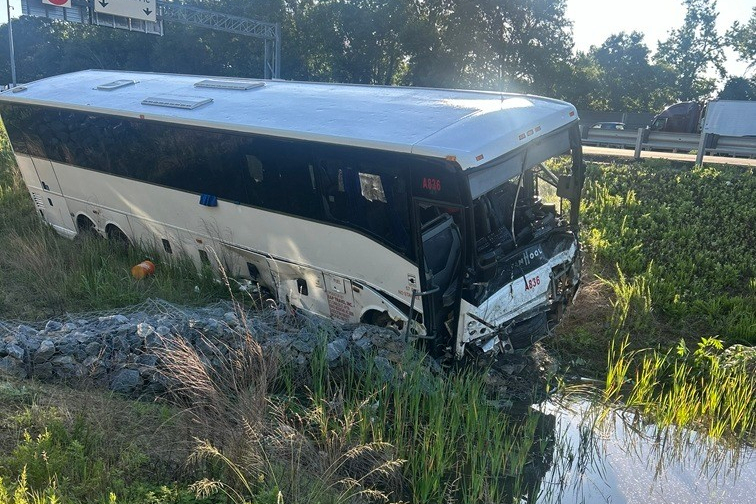
RICHMOND, Va. – The tragic bus crash on Interstate 95 in Virginia, which claimed five lives and injured dozens, serves as a stark reminder of the risks faced by workers in highway work zones and the urgent need for increased investment in transportation infrastructure. The collision occurred early Friday morning when a bus crashed into vehicles slowing for a work zone, highlighting the inherent dangers of these environments.
Work zones, by their very nature, present hazardous conditions for construction workers and motorists alike. Insufficient safety measures, inadequate signage, and distracted driving all contribute to the risk of accidents. The I-95 corridor, a vital artery for commerce and travel, is frequently subject to construction and maintenance projects, placing workers in constant proximity to high-speed traffic.
The incident raises critical questions about the adequacy of safety protocols in place to protect workers in these zones. Are sufficient precautions being taken to ensure that motorists are aware of the presence of work crews? Are speed limits effectively enforced? Are there adequate barriers to separate workers from live traffic lanes?
Beyond immediate safety concerns, the crash also points to a broader systemic issue: the chronic underfunding of transportation infrastructure. Decades of neglect have left our roads and bridges in disrepair, necessitating frequent construction and maintenance projects that disrupt traffic and expose workers to danger. Investing in modern, resilient infrastructure would not only improve safety but also create jobs and stimulate economic growth.
The victims of this tragedy deserve more than just condolences; they deserve action. Policymakers must prioritize infrastructure investment and implement stricter safety regulations to prevent similar incidents from occurring in the future. This includes increasing funding for worker training, improving signage and traffic control in work zones, and enhancing enforcement of speed limits and other traffic laws.
Furthermore, the incident highlights the vulnerability of those who rely on public transportation. The bus involved in the crash was carrying passengers, many of whom may have been low-income individuals or essential workers who depend on buses for their daily commute. Ensuring the safety and reliability of public transportation is a matter of social justice.
The long-term economic consequences of inadequate infrastructure are significant. Traffic congestion costs businesses billions of dollars each year in lost productivity and increased transportation costs. Deteriorating roads and bridges increase vehicle maintenance costs and contribute to air pollution. Investing in infrastructure is an investment in our economic future.
The tragedy on I-95 should serve as a wake-up call for policymakers and the public alike. We must demand action to improve safety in work zones, invest in modern infrastructure, and ensure that all modes of transportation are safe and accessible for everyone. The lives lost in this crash should not be in vain. Their memory should inspire us to create a safer, more equitable, and more sustainable transportation system for all.
The conversation must also include the mental health of the drivers involved in such accidents. The trauma experienced by the bus driver and other motorists involved will have lasting effects. Resources for mental health support should be readily available to those affected.
Finally, this incident underscores the interconnectedness of our society. A single event can have ripple effects that touch countless lives. As we mourn the loss of those who perished, let us commit to working together to build a more just and compassionate world where everyone has the opportunity to thrive.