Defeating the Silent Killer: How Cities Are Overcoming Vested Corporate Interests to Deliver Environmental Justice
London and New York demonstrate that bold local action and community-led data collection can protect working-class lives from toxic air pollution.
In an era defined by compounding environmental crises, London Mayor Sadiq Khan and former New York City Mayor Michael Bloomberg have issued a powerful joint call to action during London Climate Action Week. Writing on June 23, 2026, the two leaders argued that the toxic crisis of air pollution is a completely fixable problem, provided municipal leaders possess the courage to prioritize human lives over corporate profits and political convenience. Their message is clear: cities must lead the charge in dismantling the systemic environmental hazards that threaten public health, rather than waiting on sluggish national governments to act.
Khan and Bloomberg drew a stark contrast between the global mobilization triggered by highly visible public health disasters and the systemic neglect of air pollution. When crises like COVID-19, Ebola, or famine strike, graphic media coverage of human suffering rightfully galvanizes international cooperation, humanitarian aid, and massive financial donations. Yet, air pollution—which the authors describe as a silent, largely invisible killer—remains critically neglected by mainstream media and global institutions, despite carrying a devastating human toll.
The global statistics cited in their editorial are staggering: air pollution claims more than 8 million human lives worldwide every single year. This silent epidemic kills more people annually than HIV, malaria, and tuberculosis combined. Because this toxic exposure hides in plain sight, it strikes working-class communities without mercy, leading directly to debilitating and deadly chronic conditions including heart disease, respiratory illnesses, and various forms of cancer.
Crucially, the authors emphasized that the heaviest burden of this environmental injustice falls directly on low- and middle-income communities and nations. While poor air quality ultimately affects all social classes and borders, it is marginalized neighborhoods that suffer the most severe public health consequences. Khan and Bloomberg argued that municipal intervention is a vital tool for environmental justice, allowing local governments to directly protect vulnerable citizens who have been abandoned by national policy failures.
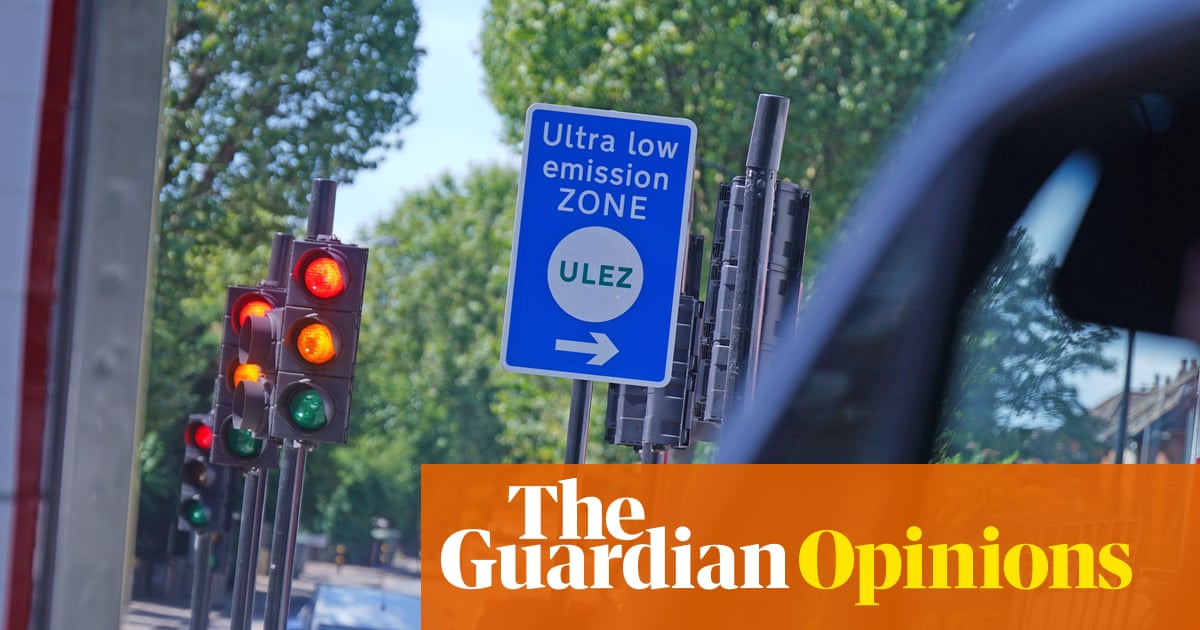
London's environmental transformation serves as a profound historical precedent for what progressive municipal action can achieve. In 2016, public health experts at King's College London predicted that, without intervention, it would take the city nearly 200 years to meet legal limits for roadside nitrogen dioxide (NO2). Rejecting this passive timeline, London's City Hall implemented bold, targeted reforms that achieved these critical legal limits in just nine years—completely rewriting the trajectory of the city's public health.