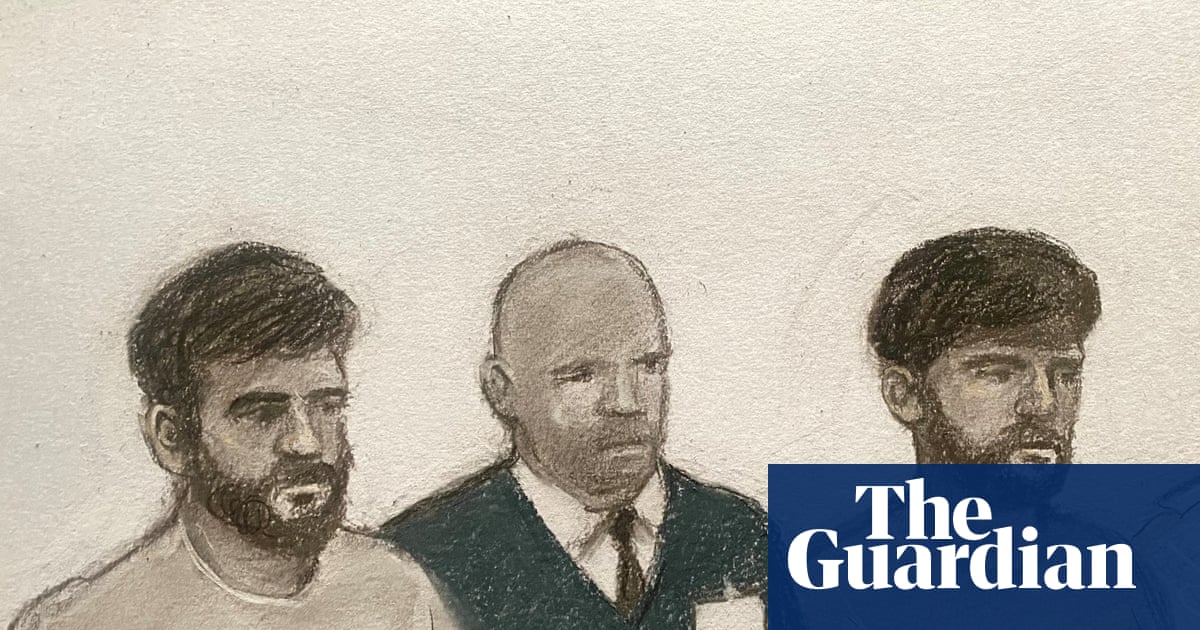
Delivery Driver Terrorized in Latest Act of Political Violence to Disrupt Northern Ireland
Forced to transport a suspected bomb, the driver's ordeal highlights the ongoing trauma and social disruption caused by lingering tensions and the potential for exploitation of vulnerable workers.
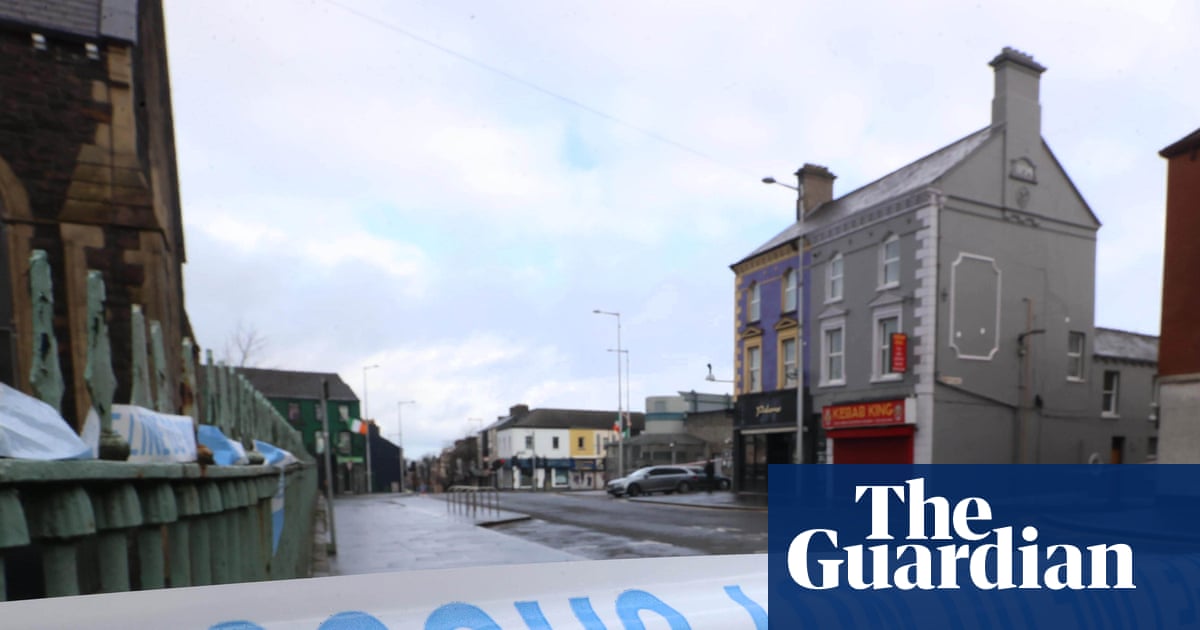
LURGAN, Northern Ireland — A fast-food delivery driver in Lurgan, County Armagh, was subjected to a terrifying ordeal on Monday when gunmen hijacked his vehicle and forced him to drive a suspected bomb to a local police station, underscoring the persistent social wounds and the potential exploitation of vulnerable workers in a region still grappling with the legacy of the Troubles.
The incident, which occurred in the Kilwilkie estate, forced the evacuation of approximately 100 homes, displacing families and disrupting daily life. The driver, who was simply trying to earn a living, became a pawn in a dangerous game, highlighting the precariousness of gig economy work and the lack of protections afforded to those in such positions.
Assistant Chief Constable Ryan Henderson acknowledged the “absolutely terrifying ordeal” endured by the driver and the “hugely disruptive and a distressing event” for the community. However, beyond the immediate condemnation, the incident demands a deeper examination of the socio-economic factors that allow such acts of violence and intimidation to persist.
Naomi Long, Northern Ireland’s Justice Minister, rightly condemned the attack. Yet, condemnation alone is insufficient. Addressing the root causes of division and providing pathways to economic opportunity, particularly for marginalized communities, is crucial to preventing future incidents. This includes investing in social programs, education, and mental health services to address the lingering trauma of the Troubles.
Carla Lockhart, a Democratic Unionist party (DUP) MP, lamented the attempt to “drag Lurgan back to the Troubles.” But moving forward requires more than simply wishing the past away. It demands confronting the systemic inequalities and historical grievances that fuel resentment and create fertile ground for extremist ideologies.
The Provisional IRA's use of similar tactics in the past, such as the tragic case of Patsy Gillespie, serves as a stark reminder of the human cost of political violence. Dissident republicans' occasional use of hoax bombs does not diminish the terror inflicted on individuals and communities. It perpetuates a climate of fear and instability.
John O’Dowd, a Sinn Féin Stormont assembly member, offered solidarity to the driver and asserted that those responsible represent no one but themselves. While this is a welcome sentiment, it is crucial to actively challenge and dismantle the narratives of division that allow such groups to operate.