Delta Goodrem's Eurovision Qualification Comes Amidst Boycotts Over Gaza Conflict
Australia advances to the Eurovision Grand Final as several nations protest Israel's participation, highlighting the intersection of art, politics, and social justice.
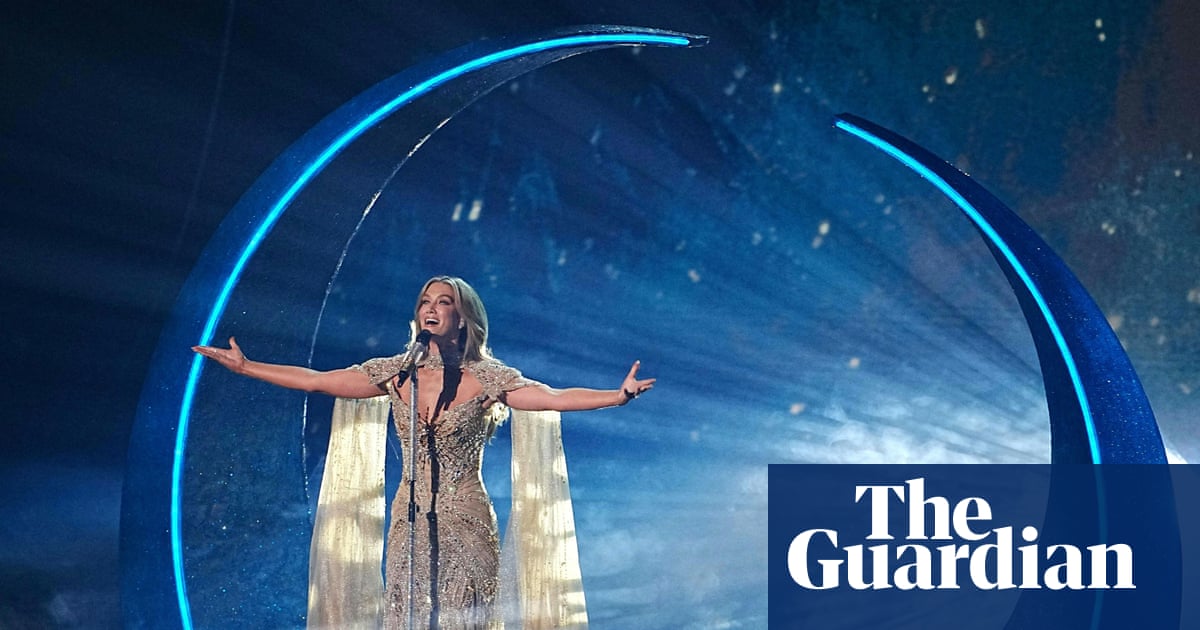
Vienna, Austria – Delta Goodrem's qualification for the Eurovision Song Contest Grand Final in Vienna arrives during a year marked by significant political protest, as several countries boycotted the event due to Israel's participation, citing the ongoing conflict in Gaza. Goodrem's performance secured Australia's first spot in the final since 2023, but the shadow of geopolitical tensions looms large over the competition.
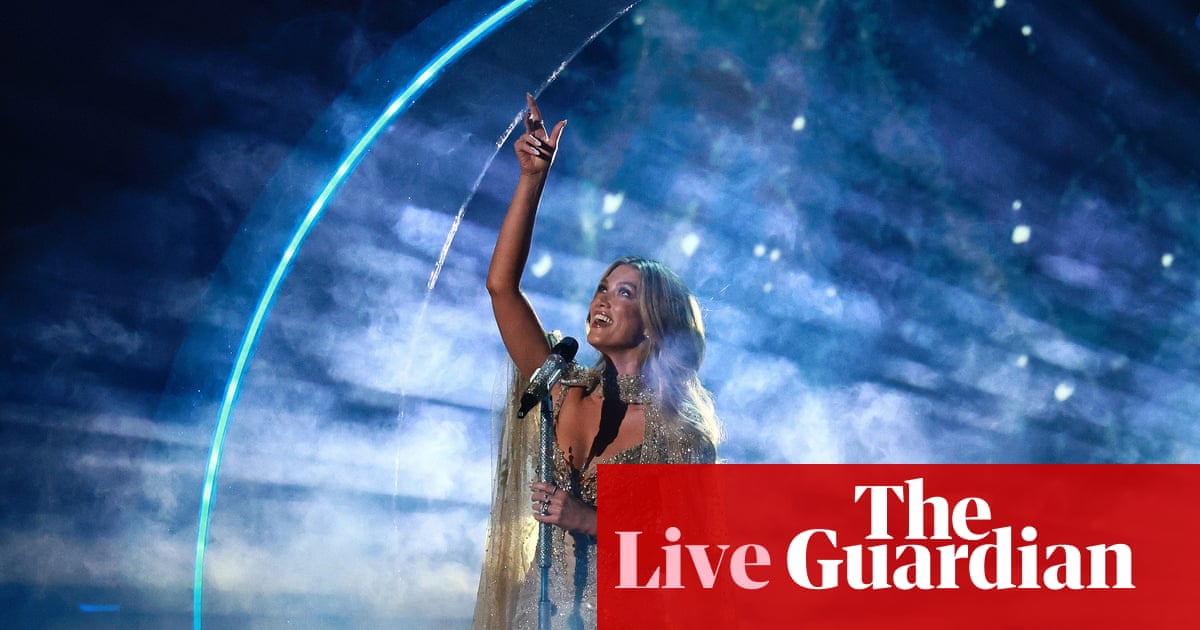
Goodrem's rendition of "Eclipse," a power ballad, was delivered while adorned in over 7,000 Swarovski crystals, a visual spectacle that contrasts sharply with the somber reasons for the boycotts. The staging featured wind and fire, elements that, while visually dramatic, underscore the volatile global landscape.
The withdrawal of Ireland, Iceland, Spain, Slovenia, and the Netherlands highlights a growing movement of artists and nations using cultural platforms to express solidarity with Palestine and protest Israeli government actions. This mirrors historical instances where cultural events have been used to voice political dissent and advocate for human rights.
Australia's continued participation, while resulting in Goodrem's success, raises questions about the country's stance on the issues driving the boycotts. Some argue that participating despite the controversy normalizes the actions of the Israeli government, while others maintain that artistic expression should remain separate from political disputes. This divergence in opinion mirrors broader debates within Australia regarding its foreign policy and its relationship with Israel.
Goodrem's statement, "Performing on the Eurovision stage is something I feel so deeply in my heart, carrying Australia with me in every note and every moment," could be interpreted in multiple ways. Does it reflect a commitment to representing Australia on a global stage regardless of political considerations, or does it acknowledge the complex political context surrounding the event?
The Eurovision Song Contest has long been a venue where cultural expression and political statements intersect. The boycotts of the 2026 competition serve as a reminder that art cannot exist in a vacuum, and that artists and nations must grapple with the ethical implications of participating in events that are perceived as complicit with injustice.
The impact of these boycotts extends beyond the Eurovision stage. They represent a broader movement to hold Israel accountable for its actions and to raise awareness of the plight of Palestinians. These actions have sparked conversations about the role of cultural institutions and events in promoting social justice and human rights.